This honey garlic chicken breast recipe provides a fast and flavorful meal solution for any night of the week. It combines sweet honey and savory garlic to create a rich glaze in under 30 minutes.
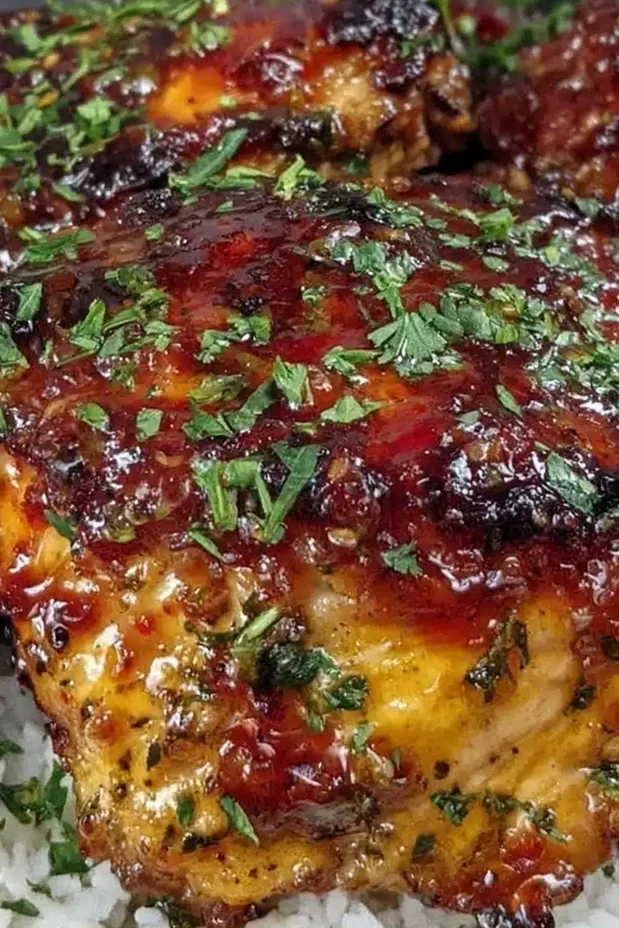
List of ingredients
- 2 large boneless, skinless chicken breasts (about 1 lb / 450 g) – Use medium-sized breasts to ensure even cooking across the pan.
- 3 tablespoons honey – This provides natural sweetness and helps the sauce thicken into a glossy glaze.
- 4 cloves garlic, minced – Freshly minced garlic delivers a sharper and more aromatic punch than powdered versions.
- 1/4 cup soy sauce (60 ml) – Low-sodium soy sauce is recommended to keep the salt levels balanced.
- 2 tablespoons olive oil or vegetable oil – Essential for searing the meat and preventing it from sticking to the pan.
- 1 tablespoon apple cider vinegar – The acidity cuts through the sweetness of the honey for a balanced flavor.
- Black pepper, to taste – Freshly ground pepper adds a mild heat and depth to the chicken.
- 1/4 teaspoon red pepper flakes (optional) – Use these to add a subtle spicy kick to the finished dish.
- Fresh parsley or green onions – Chopped fresh herbs provide a color contrast and a bright finish.
step-by-step instructions
- Prepare the meat: Pat the chicken breasts dry with paper towels and season both sides lightly with black pepper. Drying the surface is critical for achieving a golden-brown sear.
- Whisk the sauce: In a small mixing bowl, combine the honey, soy sauce, minced garlic, and apple cider vinegar. Whisk until the honey is fully incorporated and the mixture is smooth.
- Heat the skillet: Place 2 tablespoons of oil in a large non-stick or cast iron skillet over medium-high heat. Wait until the oil is shimmering but not smoking before adding the meat.
- Sear the chicken: Place the chicken breasts in the hot pan, ensuring they do not crowd each other. Cook for 3-4 minutes on the first side until golden, then flip and brown the other side.
- Deglaze and simmer: Pour the honey garlic sauce over the seared chicken. Immediately reduce the heat to medium-low and spoon the sauce over the breasts as it begins to simmer.
- Glaze until done: Cook for another 8-10 minutes, continuing to spoon the sauce over the chicken. The meat is ready when it reaches an internal temperature of 165°F (74°C) and the sauce is sticky.
- Garnish and serve: Sprinkle the optional red pepper flakes over the chicken. Finish the dish with a garnish of freshly chopped parsley or green onions.
Cooking Techniques for Optimal Results
Use a Digital Meat Thermometer
The most reliable way to prevent dry chicken is by using a digital meat thermometer. Insert the probe into the thickest part of the breast to ensure it reaches exactly 165°F (74°C). This prevents overcooking while ensuring the meat is safe to eat.
Dry the Chicken Surface Thoroughly
Moisture on the surface of the meat creates steam, which prevents the Maillard reaction from occurring. By patting the chicken dry with paper towels, you ensure the meat sears quickly and develops a rich, brown crust. This crust adds significant depth to the overall flavor of the dish.
Avoid Overcrowding the Pan
Leaving enough space between the chicken breasts allows hot air to circulate and moisture to evaporate. If the pan is too full, the temperature drops rapidly, and the chicken will boil in its own juices rather than searing. Use a larger skillet or cook in batches if necessary.
Regulate Heat During Glazing
Honey has a high sugar content and can burn quickly if exposed to high heat for too long. Once the sauce is added, lowering the temperature to medium-low allows the sauce to reduce and thicken without scorching. This results in a smooth, glossy finish rather than a bitter, burnt glaze.
Ingredient Substitutions
Swap Soy Sauce for Tamari or Coconut Aminos
To make this recipe gluten-free, replace the soy sauce with tamari or coconut aminos. Tamari offers a flavor profile very similar to soy sauce but without the wheat. Coconut aminos provide a slightly sweeter, less salty alternative that works well with honey.
Use Boneless Chicken Thighs
If you prefer a juicier texture, you can substitute chicken breasts with boneless, skinless thighs. Thighs have a higher fat content, making them more forgiving if you cook them slightly longer. The cooking time remains similar, but the meat will remain tender and moist.
Replace Honey with Maple Syrup
For a different flavor profile, maple syrup can be used in place of honey. Maple syrup provides a distinct woody sweetness that pairs exceptionally well with garlic and soy sauce. Use the same quantity as the honey to maintain the correct sauce consistency.
Substitute Fresh Garlic with Garlic Powder
If fresh garlic is unavailable, you can use garlic powder as a substitute. Use approximately 1/2 teaspoon of powder for every clove of fresh garlic. While the flavor is less pungent, it still provides the necessary savory base for the glaze.
Flavor Variations
Add Citrus for Brightness
A squeeze of fresh lemon or lime juice added at the end of cooking can brighten the heavy flavors of honey and soy. Alternatively, replacing the apple cider vinegar with orange juice creates a citrusy glaze. This adds a refreshing tang that balances the sweetness.
Increase Heat with Sriracha or Chili Paste
For those who prefer a spicy meal, whisk a teaspoon of sriracha or sambal oelek into the sauce. These condiments add a fermented heat that complements the honey. Adjust the amount based on your heat tolerance to avoid overpowering the garlic.
Incorporate Fresh Herb Infusions
Adding a sprig of fresh thyme or rosemary to the pan during the searing process infuses the oil with earthy notes. You can also stir in chopped cilantro at the very end for a more fusion-style flavor. This adds an aromatic layer that elevates the simple glaze.
Create a Creamier Glaze
For a richer sauce, stir in a small pat of unsalted butter during the final two minutes of simmering. The butter emulsifies with the honey and soy sauce, creating a velvety texture. This technique is often used in professional kitchens to give sauces a high-end sheen.
Serving Recommendations
Pair with Steamed Grains
Serve the honey garlic chicken over a bed of steamed jasmine or basmati rice. The neutral flavor of the rice absorbs the extra glaze, ensuring none of the sauce goes to waste. Quinoa or brown rice are also excellent options for added nutrients.
Accompaniment of Roasted Vegetables
Pair this dish with roasted broccoli, carrots, or Brussels sprouts. The charred edges of roasted vegetables complement the sweetness of the honey glaze. Roast the vegetables in the oven while the chicken is simmering to save time.
Complement with a Fresh Green Salad
A crisp salad with a light vinaigrette helps cut through the richness of the sticky glaze. Use a mix of spinach, arugula, and cucumbers with a lemon-olive oil dressing. This provides a refreshing contrast in both temperature and taste.
Serve with Sautéed Greens
Quickly sautéed kale or bok choy with a hint of ginger and garlic makes a perfect side. These greens provide a slightly bitter note that balances the sweet honey. Sauté them in the same pan after removing the chicken to capture the leftover glaze.
Storage and Reheating
Store in Airtight Containers
Place leftover chicken and sauce in a glass airtight container and refrigerate for up to three days. Ensure the chicken is fully coated in the sauce before storing to keep the meat from drying out. Let the chicken cool slightly before sealing the lid to prevent excess condensation.
Reheat Gently in a Pan
Avoid the microwave if possible, as it can make the chicken rubbery and separate the sauce. Instead, place the chicken in a skillet over low heat with a tablespoon of water. Cover the pan with a lid to steam the meat while the glaze reliquefies.
Utilize Leftovers in Salads
Cold honey garlic chicken can be sliced thinly and served over a bed of mixed greens. The remaining glaze acts as a built-in dressing for the salad. Combine with sliced almonds and mandarin oranges for a complete meal.
Make-Ahead Strategy
Prepare the Sauce in Advance
The honey garlic glaze can be mixed and stored in a jar in the refrigerator for up to one week. This reduces the active prep time on busy weeknights. Simply shake the jar well before pouring the sauce into the pan.
Pre-prep the Chicken
You can trim and portion the chicken breasts a day in advance and store them in a sealed container. However, avoid seasoning them with salt too early, as this can change the texture of the meat. Season with pepper and sear immediately before cooking.
Common Troubleshooting
Fix a Sauce That Thickens Too Quickly
If the glaze becomes too thick or sticky before the chicken is cooked through, add a tablespoon of water or chicken broth. Stir the liquid in and keep the heat on medium-low. This loosens the sauce and prevents the honey from burning.
Prevent the Chicken from Drying Out
If you notice the chicken shrinking rapidly or becoming firm, check your heat level. Ensure the pan is not too hot once the sauce is added. Using a lid for a few minutes during the simmering phase can also trap moisture and keep the meat tender.
Resolve a Lack of Caramelization
If the chicken looks pale after searing, your pan was likely not hot enough. Ensure the oil is shimmering before adding the meat. If this happens, increase the heat slightly during the glazing phase to encourage the honey to caramelize against the meat.
Frequently Asked Questions
How do I prevent the honey from burning?
Keep the sauce on medium to medium-low heat once it is added to the skillet. If you see the sauce bubbling too violently or darkening too quickly, reduce the heat and add a splash of water to stabilize the temperature.
Can I use chicken thighs instead of breasts?
Yes, boneless skinless thighs are an excellent substitute and often result in a juicier dish. They are more resistant to overcooking, though you should still use a thermometer to ensure they reach a safe internal temperature.
Is this recipe gluten-free?
The recipe is not gluten-free if you use standard soy sauce. To make it gluten-free, substitute the soy sauce with tamari or coconut aminos, which are wheat-free alternatives.
Can I make this recipe ahead of time?
You can prepare the sauce and prep the chicken in advance. However, the chicken is best cooked and served fresh to maintain the optimal texture of the meat and the glossiness of the glaze.
What sides pair well with honey garlic chicken breasts?
Steamed rice, quinoa, and roasted vegetables like broccoli or asparagus are the best pairings. A fresh side salad or sautéed spinach also works well to balance the sweetness of the sauce.
Print
Sticky Honey Garlic Chicken Breasts
- Total Time: 25 minutes
- Yield: 2 servings 1x
- Diet: General
Description
A quick and easy honey garlic chicken breasts recipe that combines sweet honey and aromatic garlic for a flavorful, comforting meal ready in under 30 minutes.
Ingredients
- 2 large boneless, skinless chicken breasts (about 1 lb / 450 g)
- 3 tablespoons honey
- 4 cloves garlic, minced
- 1/4 cup low-sodium soy sauce (60 ml)
- 2 tablespoons olive oil or vegetable oil
- 1 tablespoon apple cider vinegar
- Black pepper, to taste
- 1/4 teaspoon red pepper flakes (optional)
- Fresh parsley or green onions for garnish
Instructions
- Step: Pat the chicken breasts dry with paper towels and season both sides lightly with black pepper.
- Step: In a small bowl, whisk together honey, soy sauce, minced garlic, and apple cider vinegar until well combined.
- Step: Heat 2 tablespoons of olive oil over medium-high heat in a large non-stick skillet or cast iron pan.
- Step: Place chicken breasts in the pan and sear for about 3-4 minutes per side until golden brown.
- Step: Pour the honey garlic sauce over the chicken and reduce heat to medium-low.
- Step: Simmer for 8-10 minutes, occasionally spooning sauce over the chicken until the internal temperature reaches 165°F (74°C) and the sauce thickens.
- Step: Sprinkle with red pepper flakes if using and garnish with freshly chopped parsley or green onions.
Notes
To prevent the honey from burning, cook the sauce on medium or medium-low heat. If the sauce thickens too quickly, add a splash of water. For a gluten-free version, substitute soy sauce with tamari or coconut aminos.
- Prep Time: 10 minutes
- Cook Time: 15 minutes
- Category: Main Course
- Method: Searing
- Cuisine: American
Nutrition
- Serving Size: 1 chicken breast
- Calories: 325 kcal
- Sugar: 18 g
- Sodium: 600 mg
- Fat: 10 g
- Saturated Fat: 1.5 g
- Unsaturated Fat: 8.5 g
- Trans Fat: 0 g
- Carbohydrates: 20 g
- Fiber: 0.2 g
- Protein: 35 g
- Cholesterol: 85 mg