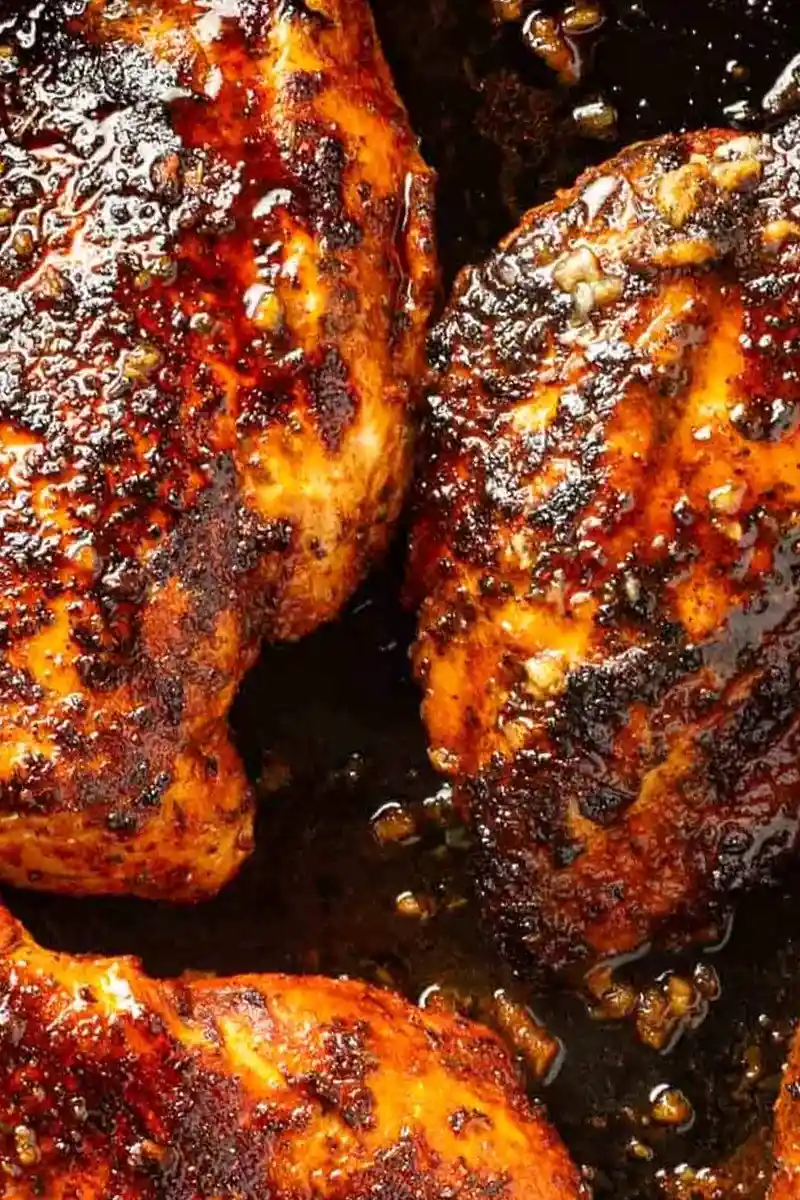
This recipe creates juicy chicken breasts with a bold, spicy crust using a combination of a cast iron skillet and a brief oven finish. It is a fast way to bring authentic Cajun flavors to your dinner table in under 30 minutes.
List of ingredients
- 1 teaspoon smoked paprika – provides a deep smoky base.
- 1 teaspoon regular paprika – adds color and sweetness.
- 1 teaspoon salt – enhances all other flavors.
- ½ teaspoons onion powder – adds savory depth.
- ½ teaspoons garlic powder – provides pungent aroma.
- ¾ teaspoons cayenne pepper – controls the heat level.
- ½ teaspoon fresh cracked black pepper – adds sharp heat.
- ¼ teaspoons dried oregano – adds earthy notes.
- ¼ teaspoons dried thyme – adds woody fragrance.
- ¼ teaspoon dried basil – provides a subtle sweetness.
- 2 pounds boneless skinless chicken breasts – the main protein.
- 1 tablespoon avocado oil – used for high-heat searing.
- 2 tablespoons unsalted butter (softened) – for the finishing sauce.
- 1 clove garlic (minced) – for the aromatic butter finish.
- lemon for serving (optional) – adds brightness to the dish.
- fresh parsley finely chopped for serving (optional) – adds a fresh color contrast.
step-by-step instructions
- PREP: Preheat oven to 350°F (175°C). Preheat a cast iron skillet over medium-high heat. Pat chicken breasts dry with a paper towel.
- SEASON: Mix together ingredients for blackening seasoning in a small bowl. Coat the chicken breasts evenly with blackened seasoning mix. If using a leave-in meat thermometer, insert into the thickest part of the breast now.
- SEAR: Add avocado oil to the hot pan and swirl to coat. Add seasoned chicken to the pan in a single layer. Cook chicken for about 5 minutes on one side, until a blackened crust forms.
- BAKE: Flip chicken breasts over, and transfer skillet to the oven until the internal temperature reaches 160°F (71°C). This should take about 10-15 minutes depending on the thickness of your breasts. (Breasts will continue cooking while resting).
- FINISH: Remove skillet from the oven and put over medium heat. Add butter and garlic to the pan. Stir to coat and cook for about 1 minute. Remove from heat and spoon garlic and butter sauce over the chicken.
- REST: Transfer chicken to a cutting board and allow to rest for 5-10 minutes before slicing. The temperature of the chicken should continue to rise until it reaches 165°F (74°C).
- SERVE: Sprinkle with parsley and a squeeze of lemon. Serve with your favorite sides!
Pro Techniques for Perfect Results
Dry the Chicken Thoroughly
Moisture on the surface of the meat creates steam when it hits the pan. This prevents the spices from adhering and stops a proper crust from forming. Always use paper towels to pat the chicken completely dry before applying the seasoning mix.
Ensure the Pan is Extremely Hot
Blackening requires high heat to toast the spices and sear the meat quickly. If the skillet is not hot enough, the chicken will simmer in its own juices rather than searing. Wait until the oil shimmer or slightly smokes before adding the meat.
Avoid Crowding the Skillet
Adding too many chicken breasts at once lowers the temperature of the pan significantly. This leads to crowding, which causes the meat to release moisture and steam. Work in batches if necessary to maintain a high surface temperature.
Utilize a Leave-In Thermometer
Chicken breasts vary in thickness, making timing unreliable. A leave-in probe thermometer allows you to monitor the internal temperature without opening the oven. Remove the chicken at 160°F to avoid overcooking.
Prioritize Proper Ventilation
The blackening process involves high heat and oil, which naturally produces smoke. Turn on your kitchen exhaust fan and open nearby windows to keep the air clear. This ensures a comfortable cooking environment while achieving a dark crust.
The Importance of Meat Resting
Resting the chicken for 5-10 minutes allows the juices to redistribute throughout the meat. If you slice it immediately, the juices will run out, leaving the meat dry. The temperature will also rise to the safe 165°F mark during this time.
Customizing the Flavor and Heat
Adjusting the Spice Level
The heat in this recipe comes primarily from the cayenne pepper. If you prefer a milder flavor, reduce the cayenne to ¼ teaspoon. For those who enjoy intense heat, adding an extra ¼ to ½ teaspoon will increase the punch.
Choosing Your Oil for High Smoke Points
Avocado oil is ideal because it has one of the highest smoke points of any cooking oil. Olive oil can burn at high temperatures, creating a bitter taste and excess smoke. Clarified butter is another excellent high-heat alternative.
Substituting Paprika Types
This recipe uses both smoked and regular paprika to balance depth and color. If you only have smoked paprika, you can use it for the full amount for a more intense campfire flavor. Regular paprika provides a brighter, sweeter note.
Using Boneless Skinless Chicken Thighs
Thighs are more forgiving and remain juicy longer than breasts. They may require a few extra minutes in the oven to reach the target internal temperature. The blackening process remains exactly the same regardless of the cut used.
Serving Suggestions and Side Pairings
Combining with Creamy Pastas
Blackened chicken pairs exceptionally well with rich, creamy sauces. Slice the breast and serve it over fettuccine alfredo or a Cajun-style cream sauce. The acidity of the lemon garnish helps cut through the richness of the pasta.
Adding to Fresh Salads
For a lighter meal, place sliced blackened chicken atop a bed of mixed greens. Pair it with a remoulade dressing or a zesty ranch to complement the spicy crust. Add corn and black beans for a Southwestern twist.
Building Gourmet Sandwiches
This chicken is perfect for wraps, brioche buns, or ciabatta sandwiches. Layer it with shredded lettuce, sliced tomatoes, and a swipe of chipotle lime sauce. The blackened crust adds a savory contrast to the soft bread.
Vegetable Side Options
Roasted asparagus, brussels sprouts, or sautéed spinach provide a healthy balance to the spicy chicken. Another great option is charred corn on the cob or a side of creamy mac and cheese. These sides echo the bold flavors of the Cajun region.
Adding Bright Finishing Touches
A fresh squeeze of lemon juice at the end awakens the heavy spices and butter. Finely chopped parsley adds a pop of color and a clean, herbal finish. These small additions transform the dish from a simple protein to a complete meal.
Storage and Reheating Guide
Refrigerator Storage
Place leftover chicken in an airtight container once it has cooled completely. It will remain fresh and safe to eat for 3-4 days in the refrigerator. Ensure the container is sealed tightly to prevent the chicken from absorbing other fridge odors.
Freezing Instructions
Cooked blackened chicken can be frozen for up to 3-4 months. Wrap the pieces individually in foil or place them in a vacuum-sealed bag. This is a great way to meal prep for future salads or wraps.
Reheating in a Skillet to Preserve Texture
To keep the crust from becoming soggy, reheat sliced chicken in a hot skillet over medium-high heat. Add a small amount of oil or butter and cook for 1-2 minutes per side. This restores the sear better than a microwave.
Microwave Reheating Tips
If using a microwave, heat the chicken in short 30-second bursts. Use a damp paper towel over the meat to retain moisture and prevent it from becoming rubbery. Be careful not to overcook, as chicken breasts dry out quickly.
Preparing Seasoning in Advance
You can mix the dry spice blend in bulk and store it in a mason jar for several months. This makes the cooking process even faster on weeknights. You can also season the chicken the night before to let the flavors penetrate deeper.
Common Troubleshooting and FAQs
Is blackened chicken actually burnt?
No, the blackened appearance is not the result of burning the meat. It is a chemical reaction where the spices are toasted at high heat, creating a dark, flavorful crust. The interior remains juicy and tender.
How do I prevent dry chicken breasts?
The most effective way to avoid dry meat is to use a meat thermometer. Remove the chicken from the heat when it hits 160°F and let it rest. Overcooking by even a few degrees can lead to a dry texture.
What is the difference between Cajun and Blackened seasoning?
Cajun seasoning is a general blend used for simmering and flavoring dishes like jambalaya. Blackened seasoning is a specific variation designed to be used at very high heat to create a charred crust. They share similar ingredients but differ in application.
Can I use a different pan instead of cast iron?
While a cast iron skillet is best for heat retention, you can use a heavy stainless steel pan. Avoid non-stick pans for this recipe, as they cannot withstand the extremely high temperatures required for proper blackening.
Why is my chicken steaming instead of searing?
This usually happens if the pan wasn’t hot enough or if the chicken was crowded. Ensure there is space between each breast and that the oil is shimmering before adding the meat. Patting the chicken dry is also essential to stop steaming.
Print
Juicy Cajun Blackened Chicken Breast
- Total Time: 30 minutes
- Yield: 4 servings 1x
- Diet: General
Description
The best blackened chicken breast recipe (in just 30 minutes)! Chicken breasts are coated in cajun spices and blackened to perfection. Tender, juicy, spicy, and perfectly cooked chicken breasts.
Ingredients
- 1 teaspoon smoked paprika
- 1 teaspoon regular paprika
- 1 teaspoon salt
- ½ teaspoons onion powder
- ½ teaspoons garlic powder
- ¾ teaspoons cayenne pepper
- ½ teaspoon fresh cracked black pepper
- ¼ teaspoons dried oregano
- ¼ teaspoons dried thyme
- ¼ teaspoon dried basil
- 2 pounds boneless skinless chicken breasts
- 1 tablespoon avocado oil
- 2 tablespoons unsalted butter (softened)
- 1 clove garlic (minced)
- lemon for serving (optional)
- fresh parsley finely chopped for serving (optional)
Instructions
- PREP: Preheat oven to 350°F (175°C). Preheat a cast iron skillet over medium-high heat. Pat chicken breasts dry with a paper towel.
- SEASON: Mix together ingredients for blackening seasoning in a small bowl. Coat the chicken breasts evenly with blackened seasoning mix. If using a leave-in meat thermometer, insert into the thickest part of the breast now.
- SEAR: Add avocado oil to the hot pan and swirl to coat. Add seasoned chicken to the pan in a single layer. Cook chicken for about 5 minutes on one side, until a blackened crust forms.
- BAKE: Flip chicken breasts over, and transfer skillet to the oven until the internal temperature reaches 160°F (71°C). This should take about 10-15 minutes depending on the thickness of your breasts.
- FINISH: Remove skillet from the oven and put over medium heat. Add butter and garlic to the pan. Stir to coat and cook for about 1 minute. Remove from heat and spoon garlic and butter sauce over the chicken.
- REST: Transfer chicken to a cutting board and allow to rest for 5-10 minutes before slicing. The temperature of the chicken should continue to rise until it reaches 165°F (74°C).
- SERVE: Sprinkle with parsley and a squeeze of lemon. Serve with your favorite sides!
Notes
Use a leave-in thermometer to ensure chicken reaches 165°F without overcooking. To adjust heat, vary the amount of cayenne pepper. Store leftovers in an airtight container in the refrigerator for 3-4 days or freeze for 3-4 months.
- Prep Time: 5 minutes
- Cook Time: 25 minutes
- Category: Dinner
- Method: Searing and Baking
- Cuisine: Cajun
Nutrition
- Serving Size: 1 chicken breast
- Calories: 348 kcal
- Sugar: 0.2 g
- Sodium: 847 mg
- Fat: 15 g
- Saturated Fat: 5 g
- Unsaturated Fat: 8 g
- Trans Fat: 0.3 g
- Carbohydrates: 2 g
- Fiber: 1 g
- Protein: 49 g
- Cholesterol: 160 mg