This simple oven-roasted chicken method ensures a juicy interior and a flavorful, crispy exterior. It is a budget-friendly and healthy option perfect for a consistent family dinner.
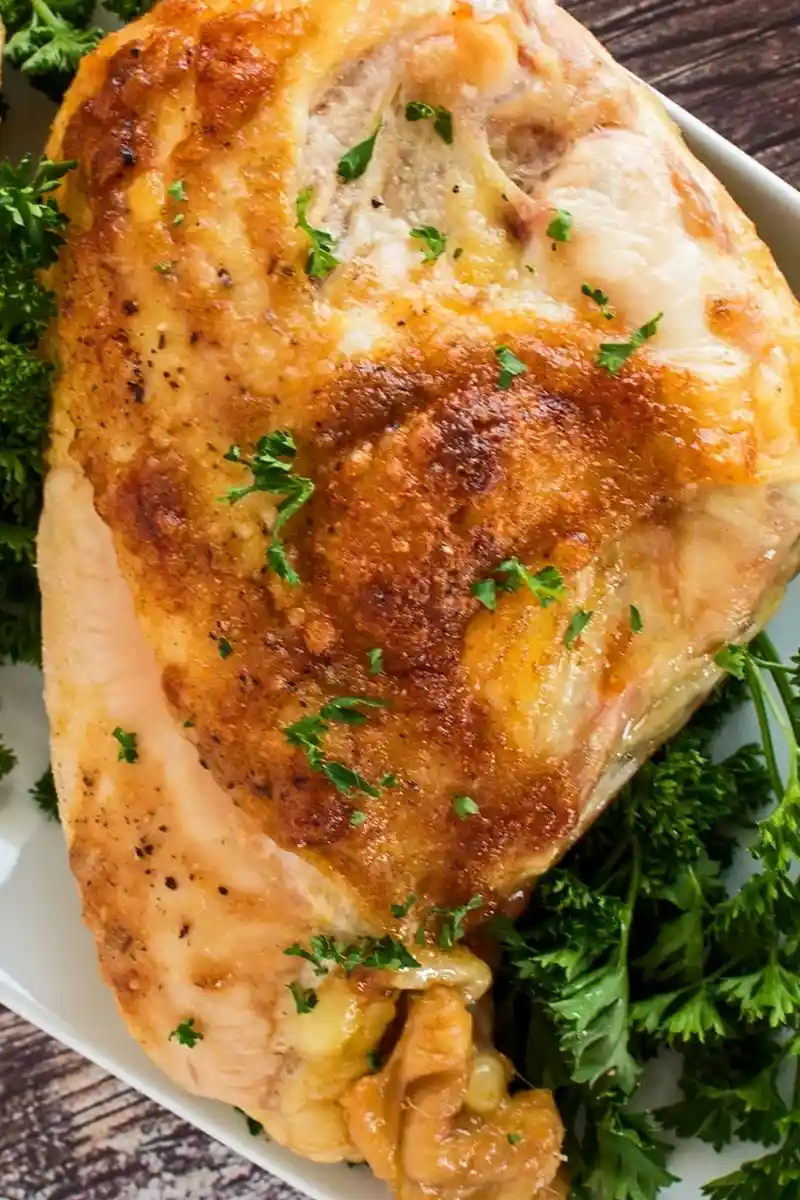
List of ingredients
- 3 lbs chicken breasts (bone-in, skin-on; typically 2 to 4 pieces) – ensures maximum moisture during roasting.
- 1 Tbsp extra virgin olive oil – used to create a smooth seasoning paste.
- 1 Knorr chicken bouillon cube – provides a concentrated savory flavor base.
- 1/4 tsp onion powder – adds a mild, sweet aromatic quality.
- 1/4 tsp garlic powder – enhances the depth of the seasoning.
- 1/4 tsp black pepper – provides a subtle spicy bite.
- 1/4 tsp paprika – contributes warmth and a golden-brown color to the skin.
step-by-step instructions
- Prepare the Oven: Preheat your oven to 400°F (205°C). Line a rimmed baking sheet with parchment paper or aluminum foil, or lightly grease a baking dish with olive oil to prevent the chicken from sticking.
- Mix the Seasoning Paste: In a small bowl, combine the olive oil and the chicken bouillon cube. Break the cube apart with a spoon to blend it with the oil, then stir in the onion powder, garlic powder, pepper, and paprika until a consistent paste forms.
- Prepare the Meat: Rinse the chicken breasts under cool water and pat them completely dry using paper towels. Place the breasts on the prepared baking sheet with the breast side facing down.
- Apply the Coating: Use the prepared paste to lightly coat the bone side (ribs) of each breast. Flip the chicken over and thoroughly coat the breast side with the remaining seasoning paste.
- Roast the Chicken: Bake at 400°F (205°C) for 40 to 45 minutes. Use a digital meat thermometer to check that the thickest part of the breast reaches an internal temperature of 165°F (74°C).
- Rest and Serve: Remove the pan from the oven and cover the chicken loosely with a piece of aluminum foil. Allow the meat to rest for 3 to 5 minutes before serving to keep the juices inside. Garnish with chopped parsley if desired.
Temperature and Time Variations
Roasting at 350°F (175°C)
When roasting at this lower temperature, the chicken will cook more slowly and evenly. Increase the baking time to approximately 50 to 55 minutes to ensure the internal temperature reaches 165°F.
Roasting at 375°F (190°C)
This temperature is a middle ground for those who want a slightly slower roast than the main recipe. Expect a cooking time of 45 to 50 minutes depending on the thickness of the breasts.
Roasting at 425°F (220°C)
Higher heat produces a crispier skin more quickly. Reduce the roasting time to 35 to 40 minutes, but monitor the chicken closely to prevent the exterior from over-browning before the center is cooked.
Roasting at 450°F (230°C)
This high-heat method is best for those who prioritize a very crunchy skin. Roast for 30 to 35 minutes, checking the internal temperature frequently to avoid drying out the meat.
Customizing the Flavor Profile
Using Smoked Paprika for Depth
Replace the standard paprika with smoked paprika to add a woody, charcoal-like flavor. This mimics the taste of grilled or smoked chicken without needing a smoker.
Adding Cayenne Pepper for Heat
For a spicy kick, add a pinch of cayenne pepper to the seasoning paste. Start with 1/8 teaspoon and adjust based on your preference for heat.
Substituting the Bouillon Cube
If you do not have bouillon cubes, use a concentrated bouillon paste. Start with two teaspoons of paste and mix it with the olive oil to achieve the same consistency.
Incorporating a Pre-Roast Marinade
You can marinate the chicken breasts in a lemon and herb mixture for several hours before roasting. After marinating, pat the skin dry before applying the bouillon paste to ensure the skin still gets crispy.
Meat Selection and Preparation Tips
Benefits of Using Bone-In Chicken
Cooking chicken with the bone intact helps the meat retain moisture and prevents it from drying out. The bone also adds a richer flavor to the meat during the roasting process.
Importance of Patting Skin Dry
Moisture on the surface of the skin creates steam, which prevents browning. Use paper towels to remove all surface water so the olive oil and seasonings can sear the skin effectively.
Choosing the Right Baking Pan
A rimmed baking sheet is ideal for airflow, which helps the skin crisp up. If using a deep baking dish, the chicken may sit in its own juices, resulting in a softer skin.
Handling Different Breast Sizes
If you have breasts of varying sizes, place the smaller ones further from the heat source or remove them from the oven earlier. Always rely on a thermometer rather than a timer for accuracy.
Suggested Side Dish Pairings
Fresh Green Garden Salads
A light salad with a vinaigrette balances the richness of the roasted skin. Use mixed greens, cucumbers, and cherry tomatoes for a refreshing contrast.
Creamy Garlic Mashed Potatoes
Mashed red skin potatoes provide a hearty accompaniment to the chicken. Adding roasted garlic to the potatoes complements the garlic powder used in the chicken seasoning.
Southern Style Baked Macaroni and Cheese
The creamy, cheesy texture of baked macaroni pairs well with the savory notes of the bouillon. This makes the meal more filling and satisfying for children.
Maple Roasted Brussels Sprouts
Roast Brussels sprouts on a separate tray at the same temperature as the chicken. A drizzle of maple syrup adds a sweetness that pairs perfectly with the salty chicken skin.
Storage and Reheating Guidelines
Refrigeration Limits
Store leftover chicken in an airtight container in the refrigerator. It will remain safe to eat and maintain its quality for 3 to 4 days.
Oven Reheating Methods
To maintain the skin’s texture, reheat the chicken in the oven at 350°F (175°C). Wrap the meat in aluminum foil to keep it moist and heat until it reaches an internal temperature of 165°F.
Microwave Reheating Tips
If using a microwave, cover the chicken with a damp paper towel to prevent the meat from becoming rubbery. Heat in short bursts of 30 to 60 seconds.
Freezing Cooked Chicken
Cooked chicken breasts can be frozen for up to three months. Wrap them tightly in plastic wrap and then place them in a freezer-safe bag to avoid freezer burn.
Troubleshooting Common Issues
Preventing Dry Meat
Overcooking is the primary cause of dry chicken. Use a digital thermometer and remove the meat as soon as it hits 165°F, as carry-over cooking will continue to raise the temperature slightly during the rest period.
Achieving Maximum Skin Crispiness
Ensure the oven is fully preheated before the chicken goes in. Avoid crowding the pan, as this creates steam between the pieces and prevents the skin from crisping.
Handling Uneven Cooking
If some pieces are cooking faster than others, rotate the baking sheet halfway through the roasting time. This ensures that all parts of the pan receive equal heat from the oven elements.
Dealing with Pale Skin
If the chicken is cooked through but the skin is pale, turn on the broiler for 2 to 3 minutes. Watch the meat closely during this time to prevent the paprika from burning.
Frequently Asked Questions
Can I use boneless chicken breasts?
Yes, but you must reduce the cooking time significantly. Boneless breasts cook faster and are more prone to drying out, so check the temperature starting at 20 minutes.
How do I know if the chicken is fully cooked?
The most reliable method is using a digital meat thermometer to reach 165°F. Additionally, the juices should run clear rather than pink when the thickest part is pierced.
Is it necessary to rinse the chicken?
Rinsing is a personal preference, but if you do, ensure you pat the meat completely dry. This prevents the seasoning paste from sliding off and ensures the skin crisps.
Can I use chicken thighs instead?
Chicken thighs work very well with this method. Because thighs have more fat, they are even more forgiving and can handle slightly longer cooking times without drying out.
What if I don’t have a meat thermometer?
While a thermometer is highly recommended, you can check for doneness by cutting into the thickest part. The meat should be opaque white throughout with no pink remaining near the bone.
Can I use a different type of oil?
Any high-smoke point oil like avocado or canola oil will work. Extra virgin olive oil is preferred for the flavor it adds to the seasoning paste.
Should I season the chicken the night before?
You can apply the paste a day in advance and keep the chicken refrigerated. This allows the flavors to penetrate deeper into the meat, though the skin may be slightly less crisp.
Print
Oven Roasted Bone-In Chicken Breast
- Total Time: 50 minutes
- Yield: 6 servings 1x
- Diet: General
Description
This oven-roasted bone-in chicken breast is incredibly simple to prepare and always yields juicy, tender, and delicious chicken breasts. It’s a great way to serve up a tasty family dinner that is healthy and affordable.
Ingredients
- 3 lbs bone-in chicken breasts with skin
- 1 Tbsp extra virgin olive oil
- 1 cube chicken bouillon
- ¼ tsp onion powder
- ¼ tsp garlic powder
- ¼ tsp pepper
- ¼ tsp paprika
Instructions
- Preheat: Preheat your oven to 400℉ (205℃) and line a rimmed baking sheet with parchment paper or aluminum foil.
- Combine: In a small bowl, combine the olive oil and chicken bouillon cube, then mix in onion powder, garlic powder, pepper, and paprika until a paste forms.
- Coat: Rinse the chicken breasts and pat them dry; place them breast side down on the baking sheet and coat thoroughly with the seasoned bouillon paste.
- Bake: Bake at 400℉ (205℃) for 40 to 45 minutes, or until the internal temperature reaches 165℉ (74℃) at the thickest portion.
- Rest: Remove the chicken from the oven, tent loosely with aluminum foil, and allow to rest for 3-5 minutes before serving.
Notes
You can use smoked paprika for more depth or add cayenne pepper for heat. Leftovers can be stored in the fridge for 3-4 days and reheated in the oven at 350ºF wrapped in foil.
- Prep Time: 5 minutes
- Cook Time: 45 minutes
- Category: Chicken Dishes
- Method: Roasting
- Cuisine: American
Nutrition
- Serving Size: 1 chicken breast
- Calories: 282 kcal
- Sugar: 1 g
- Sodium: 423 mg
- Fat: 8 g
- Saturated Fat: 2 g
- Unsaturated Fat: 6 g
- Trans Fat: 0 g
- Carbohydrates: 1 g
- Fiber: 0 g
- Protein: 48 g
- Cholesterol: 145 mg