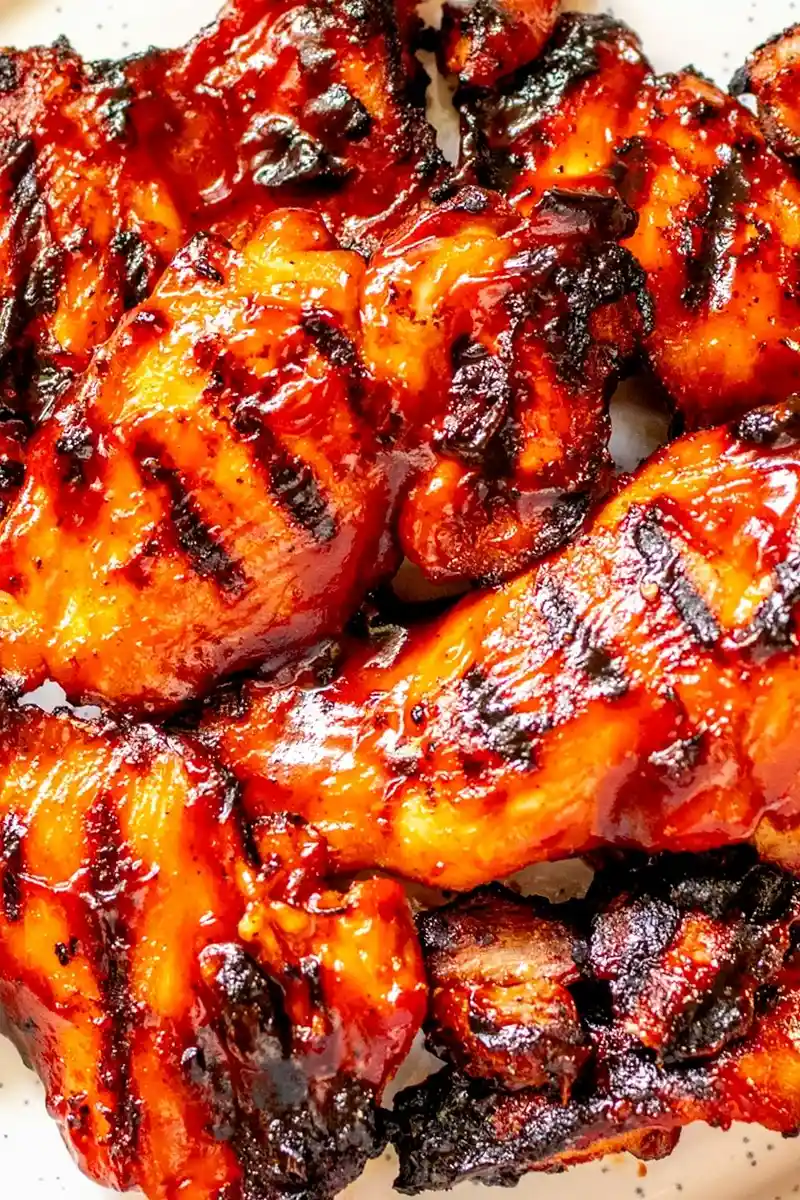
This versatile recipe delivers tender, flavorful chicken thighs using either a grill or an oven. A sweet and smoky dry rub creates a caramelized crust that pairs perfectly with a thick barbecue glaze.
List of ingredients
- 2.5 lbs boneless skinless chicken thighs – ensure they are trimmed of excess fat.
- 2 tbsp brown sugar – adds sweetness and helps with caramelization.
- 2 tsp kosher salt – essential for flavor enhancement and moisture retention.
- 1 tsp garlic powder – provides a concentrated savory base.
- 1 tsp onion powder – adds a subtle sweetness and depth.
- 1 tsp smoked paprika – delivers a woody, charred flavor profile.
- 1/2 tsp chili powder – introduces a mild warmth and earthiness.
- 3 tbsp avocado oil – used for coating the chicken and preventing sticking.
- 1 cup homemade southern BBQ sauce – use as a glaze and for serving.
step-by-step instructions
- Prepare the Rub: Place the boneless chicken thighs in a large bowl. Combine the brown sugar, kosher salt, garlic powder, onion powder, smoked paprika, chili powder, and avocado oil directly over the meat or in a separate bowl first.
- Marinate: Mix the chicken thoroughly until every piece is evenly coated with the spice mixture. Transfer the meat to an airtight container and refrigerate for at least 4 hours, or up to overnight for deeper flavor.
- Temper the Meat: Remove the marinated thighs from the refrigerator 30 minutes before cooking. Keep them covered to allow the meat to reach room temperature, which prevents the chicken from becoming rubbery.
- Grill Preparation: Preheat your grill to medium-high heat. Once hot, place the chicken thighs in a single layer on the grates.
- Grill and Char: Reduce the grill temperature to medium and close the lid. Cook for several minutes per side until grill marks appear and the edges begin to char.
- Apply Glaze: When the chicken is nearly cooked through, baste both sides with the BBQ sauce. Move the thighs to the indirect heat side of the grill to let the sauce set without burning.
- Final Temperature: Use a meat thermometer to ensure the dark meat reaches 175-190 degrees F (or 165 degrees F for white meat). Remove from heat and serve with extra sauce.
- Oven Preparation: For the baked method, preheat your oven to 400 degrees F. Trim any remaining excess fat from the thighs.
- Oven Seasoning: Toss the chicken with the spice rub and avocado oil as described in the grill method. Marinate in the refrigerator for 4 hours to overnight and temper for 30 minutes before baking.
- Sauce and Arrange: Mix half of the BBQ sauce into the thighs until coated. Arrange the chicken in a single layer on a rimmed baking sheet lined with aluminum foil, ensuring pieces do not touch.
- Bake: Roast for 20-25 minutes. Use a thermometer to confirm the internal temperature has reached 175-190 degrees F.
- Broil for Finish: To achieve a charred look, apply more BBQ sauce and place the pan under the broiler for the final 2-3 minutes. Watch the meat closely to prevent the sugar in the sauce from burning.
- Rest: Remove from the oven and let the chicken rest for a few minutes. This allows the juices to redistribute, ensuring the meat remains moist.
Meat Selection and Preparation
Choosing Boneless Skinless Thighs
Boneless skinless thighs are preferred for this recipe because they have a higher fat content than breasts. This makes them more forgiving during the cooking process and keeps them juicy even at higher temperatures. They cook more evenly and absorb the marinade effectively.
Adjusting for Bone-in Cuts
If you use bone-in thighs or chicken legs, you must increase the cooking time significantly. Bone-in meat takes longer to reach the target internal temperature. Use a meat thermometer to ensure the area closest to the bone is fully cooked.
Preparing Chicken Breasts
Chicken breasts can be used as a leaner alternative. To prevent them from drying out, slice them thinly or butterfly them so they cook quickly. Remove them from the heat as soon as they reach 165 degrees F to maintain moisture.
Mastering the Spice Rub
The Role of Brown Sugar
Brown sugar is critical for creating the sticky, caramelized exterior typical of BBQ chicken. When exposed to heat, the sugar melts and browns, a process known as caramelization. This adds a deep sweetness that balances the savory spices.
Balancing Salt and Seasoning
Kosher salt is used because its coarser grains allow for better control over the seasoning level. If you switch to table salt, reduce the amount by half to avoid over-salting. Salt also helps draw moisture out of the meat, allowing the spices to adhere better.
Adding Smoky Depth with Paprika
Smoked paprika provides the characteristic ‘pit-smoked’ flavor even if you are using an electric oven. It mimics the taste of hardwood smoke. For a more intense flavor, you can use a high-quality Spanish pimentón.
Controlling the Heat Level
Chili powder adds a mild warmth rather than intense heat. To make the dish spicier, you can substitute it with chipotle powder or add a teaspoon of cayenne pepper. For those sensitive to spice, this ingredient can be omitted without ruining the dish.
Grilling Techniques
Preparing the Grill Surface
Ensure your grill grates are cleaned and lightly oiled before adding the chicken. This prevents the skin and sugars from sticking to the metal. A clean surface also ensures more consistent grill marks.
Using Two-Zone Cooking
Create two zones on your grill: one with direct heat and one with indirect heat. Sear the chicken over the direct heat first to get the char. Move it to the indirect zone when adding the sauce to prevent the sugar from scorching.
Timing the Sauce Application
Adding BBQ sauce too early can lead to burnt, bitter patches because of the sugar content. Apply the sauce only during the last 5-10 minutes of cooking. This allows the sauce to thicken and glaze without burning.
Identifying the Perfect Char
The ideal char is a dark brown, caramelized crust with a few blackened edges. If the meat is blackening too quickly, move it further from the heat source. A proper char enhances the smoky flavor profile of the rub.
Oven Baking Precision
Optimizing Oven Temperature
A temperature of 400 degrees F is ideal for roasting thighs because it is high enough to brown the exterior while keeping the inside moist. Lower temperatures can result in ‘steamed’ chicken, which lacks the desired crust.
The Benefit of Foil Lining
Lining your baking sheet with aluminum foil is essential for easy cleanup. BBQ sauce is high in sugar and can bake onto the pan, making it very difficult to scrub. Foil also helps reflect heat back up toward the chicken.
Utilizing the Broiler
The broiler provides intense top-down heat that mimics the effect of a grill. Use this for the final few minutes to bubble the sauce and create charred spots. Stay by the oven, as the transition from caramelized to burnt happens in seconds.
Ensuring Proper Air Circulation
Do not crowd the baking sheet. Leave at least one inch of space between each chicken thigh. This allows hot air to circulate around the meat, ensuring it roasts rather than boils in its own juices.
Temperature and Safety
Proper Thermometer Placement
Insert the probe of an instant-read thermometer into the thickest part of the thigh. Avoid hitting the bone, as the bone conducts heat differently and can give a false reading. This ensures the meat is safe to eat throughout.
Target Temperature for Dark Meat
While 165 degrees F is the safety minimum, chicken thighs are better at 175-190 degrees F. This higher temperature breaks down the connective tissue and collagen in dark meat, resulting in a more tender texture.
The Importance of Resting Meat
Allow the chicken to rest for 5-10 minutes before serving. Resting allows the muscle fibers to relax and reabsorb the juices. Cutting into the meat immediately after cooking causes the juices to run out, leaving the meat dry.
Storage and Preservation
Short-term Refrigeration
Store leftover BBQ chicken in an airtight container in the refrigerator. It will remain fresh for 3 to 4 days. Keep the extra sauce separate to prevent the chicken from becoming soggy.
Long-term Freezing Tips
Cooked BBQ thighs can be frozen for up to three months. Wrap them tightly in plastic wrap and then place them in a freezer-safe bag to prevent freezer burn. Label the bag with the date of preparation.
Reviving Leftovers
To reheat, use an oven or air fryer at 350 degrees F until warmed through. Adding a small splash of water or extra BBQ sauce during reheating helps restore the moisture. Avoid microwaving for too long, as it can make the meat rubbery.
Flavor Enhancements
Incorporating Acidic Elements
Adding a squeeze of fresh lemon or lime juice after cooking can brighten the flavor. The acidity cuts through the richness of the thighs and the sweetness of the BBQ sauce. Apple cider vinegar is another great option for a tangier finish.
Adding Umami with Soy Sauce
For a deeper, saltier flavor, add a tablespoon of soy sauce to the dry rub mixture. This introduces umami, which enhances the overall savory quality of the meat. Adjust the kosher salt downward if you add soy sauce.
Creating a Custom Glaze
You can customize your store-bought sauce by stirring in a bit of honey or maple syrup for extra sweetness. Adding a dash of hot sauce or sriracha can provide a spicy kick. These additions should be mixed into the sauce before basting.
Pairing Recommendations
Traditional Southern Sides
Serve these thighs with classic baked beans or collard greens. The earthy flavors of the greens and the sweetness of the beans complement the BBQ profile. Honey butter biscuits also provide a great textural contrast.
Low-Carb Vegetable Options
For a healthier pairing, try sautéed cabbage with onions or a fresh cucumber salad. Roasted broccoli or grilled asparagus also work well. These options provide freshness and crunch to balance the heavy sauce.
Grains and Breads
Cornbread is the quintessential side for BBQ chicken. The crumbly texture and sweetness of the bread mirror the flavors of the rub. Alternatively, a side of wild rice or quinoa can soak up any extra glaze.
Common Issues and Solutions
Preventing Sauce Burn
If your sauce burns before the chicken is cooked, your heat is too high. Move the chicken to a cooler part of the grill or lower the oven temperature by 25 degrees. Apply the sauce in thinner layers more frequently.
Fixing Dry Chicken
Dry chicken is usually the result of overcooking or using breasts instead of thighs. Ensure you are using a meat thermometer and removing the meat at the correct temperature. Resting the meat is also key to moisture retention.
Managing Rub Clumping
If the brown sugar clumps in the rub, mix the dry spices in a separate bowl before adding the oil. Ensure the sugar is fine-grained. Rubbing the mixture firmly into the meat helps break up any remaining lumps.
Frequently Asked Questions
Can I use white sugar instead of brown sugar?
Yes, you can use white sugar or honey. However, brown sugar contains molasses, which provides a deeper flavor and a better color during the caramelization process.
Is avocado oil the only option?
No, olive oil or vegetable oil can be used. Avocado oil is recommended because it has a high smoke point, which is ideal for high-heat grilling without burning the oil.
How long is too long for marinating?
Marinating for more than 24 hours can cause the salt to break down the meat fibers too much, potentially making the texture mushy. Stick to a window of 4 to 24 hours for the best results.
Print
Juicy BBQ Chicken Thighs: Grill or Oven Methods
- Total Time: 35 minutes
- Yield: 4 servings 1x
- Diet: General
Description
This easy bbq chicken thighs recipe can be grilled or oven baked. All you need are some boneless skinless chicken thighs, some spices, and your favorite bbq sauce.
Ingredients
- 2.5 lbs Chicken Thighs (Boneless Skinless)
- 2 tbsp Brown Sugar
- 2 tsp Kosher Salt
- 1 tsp Garlic Powder
- 1 tsp Onion Powder
- 1 tsp Smoked Paprika
- 1/2 tsp Chili Powder
- 3 tbsp Avocado Oil
- 1 cup Homemade Southern BBQ Sauce
Instructions
- Marinate: Add chicken thighs to a large bowl and top with brown sugar, kosher salt, garlic powder, onion powder, smoked paprika, chili powder and avocado oil. Mix it all up and marinate for at least 4 hours up to overnight.
- Room Temperature: Remove from the fridge 30 minutes before cooking.
- Grill Method: Preheat your grill over medium-high heat. Add chicken thighs to the grill plates, drop it to medium heat and close the lid. Cook for a few minutes on each side until they’re starting to char and get grill marks.
- Baste: Once cooked almost all the way through, baste the top and bottom of each piece of chicken with bbq sauce and place them in indirect heat until the internal temperature registers at 175-190 degrees.
- Oven Method: Preheat your oven to 400F degrees. Add half of your bbq sauce to the thighs and toss until coated. Place chicken thighs in a single layer on an aluminum foil lined rimmed baking sheet.
- Bake: Bake for 20-25 minutes, or until the internal temperature of the chicken reaches 175-190 degrees.
- Broil: Once cooked through, add more bbq sauce and place under the broiler for the last 2-3 minutes of cooking.
- Rest: Remove from heat and let them rest for a few minutes before serving with remaining BBQ sauce.
Notes
Use a meat thermometer to ensure dark meat reaches 175-190 degrees F and white meat reaches 165 degrees F.
- Prep Time: 10 minutes
- Cook Time: 25 minutes
- Category: Main Course
- Method: Grilled or Oven Baked
- Cuisine: American
Nutrition
- Serving Size: 1 serving
- Calories: 720 kcal
- Sugar: 28 g
- Sodium: 1150 mg
- Fat: 32 g
- Saturated Fat: 8 g
- Unsaturated Fat: 22 g
- Trans Fat: 0 g
- Carbohydrates: 34 g
- Fiber: 1 g
- Protein: 52 g
- Cholesterol: 145 mg