This hearty one-pot soup combines lean ground beef and frozen vegetables for a fast, nutrient-dense meal. It is designed to be ready in about 30 minutes, making it an ideal choice for busy weeknights.
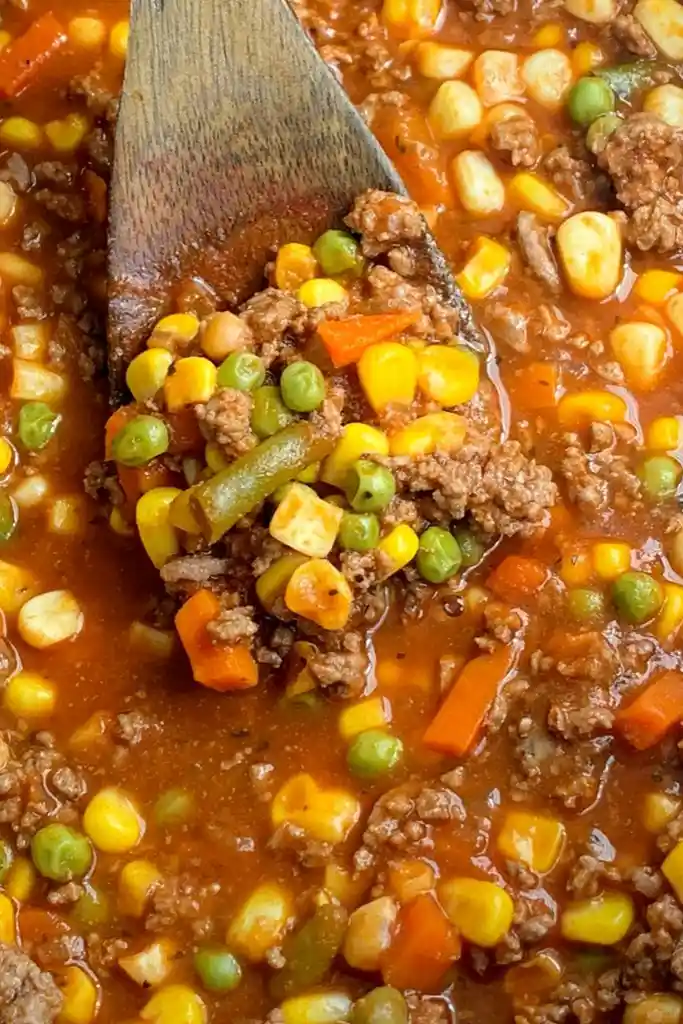
List of ingredients
- 1 lb lean ground beef – provides a hearty protein base.
- 1 small onion, finely chopped – adds a fundamental aromatic layer.
- 1 teaspoon garlic powder – delivers a consistent savory flavor.
- 1 teaspoon dried basil – introduces a subtle herbal note.
- 1 1/4 cups beef broth – creates a deep, savory liquid foundation.
- 1 can (15 oz) tomato sauce – thickens the soup and adds acidity.
- 1 1/2 cups frozen mixed vegetables – a convenient mix for variety and texture.
- 1 1/2 cups frozen corn – adds natural sweetness and a slight crunch.
- 1 tablespoon low-sodium soy sauce – enhances the umami and salt profile.
- 1 tablespoon molasses – provides a complex, dark, slightly sweet depth.
step-by-step instructions
- Prepare the vegetables: Place your frozen mixed vegetables and corn on the counter to thaw slightly before you begin cooking. This prevents the pot temperature from dropping too sharply and ensures they cook through during the simmer.
- Brown the meat: Use a large soup pot over medium-high heat to cook and crumble the ground beef along with the chopped onion, garlic powder, and dried basil. Continue cooking until the beef is no longer pink, then drain off the excess grease to keep the broth clear.
- Simmer the soup: Stir in the beef broth, tomato sauce, slightly thawed vegetables, soy sauce, and molasses. Bring the mixture to a boil, then reduce the heat to medium-low and let it simmer for 15 to 20 minutes, stirring occasionally to combine flavors.
Expert Tips for Optimal Results
Drain Ground Beef Grease Thoroughly
Even when using lean 93/7 ground beef, liquid and rendered fats will pool in the pot during the browning process. If you do not drain this grease, it will float to the top of the soup, creating an oily film. For a cleaner taste and appearance, carefully spoon out the fat or drain the meat in a colander before adding liquids.
Allow the Soup to Simmer Fully
Simmering for the full 15 to 20 minutes is essential for the flavors to meld together. The molasses and soy sauce need heat and time to integrate with the beef broth and tomato sauce. Rushing this step can result in a soup that tastes of separate ingredients rather than a cohesive, rich broth.
Manage Salt Levels with Soy Sauce
The combination of beef broth and soy sauce provides a significant amount of sodium. Using low-sodium soy sauce allows you to control the saltiness and prevent the dish from becoming over-salted. Taste the soup at the very end before adding any additional salt to ensure a balanced flavor profile.
Optimize Vegetable Texture
Thawing frozen vegetables slightly before adding them to the pot prevents them from releasing too much water and lowering the soup’s temperature. This ensures that the vegetables remain tender but not mushy. If you prefer very soft vegetables, you can add them directly from the freezer, but increase the simmering time by five minutes.
Ingredient Substitutions and Modifications
Alternative Protein Choices
While ground beef is traditional, ground turkey or ground chicken are excellent leaner alternatives. These meats have a milder flavor, so you may want to add an extra pinch of garlic powder or black pepper. Ensure you brown these proteins thoroughly to develop a savory base before adding the liquid components.
Using Seasoned Tomato Sauce
Instead of plain tomato sauce, you can use a variety that already includes garlic, basil, or oregano. This is a great way to add extra layers of seasoning without adding more individual ingredients. If using a heavily seasoned sauce, taste the soup before adding the dried basil to avoid an overpowering herbal flavor.
Customizing the Frozen Vegetable Mix
You can swap the mixed vegetables for any frozen blend that suits your preference, such as a California mix of cauliflower, broccoli, and carrots. Frozen peas or diced carrots can also be added individually for a more tailored texture. Keep the total volume of vegetables consistent to maintain the correct broth-to-solid ratio.
Replacing Molasses for Depth
If you do not have molasses, dark brown sugar is the most effective substitute due to its natural molasses content. Use an equal 1:1 ratio to achieve a similar sweetness and color. Dark corn syrup can also work, though it is slightly sweeter and lacks the complex bitterness of true molasses.
Adjusting Seasonings for Boldness
For a more robust flavor, replace garlic powder with three cloves of freshly minced garlic, added during the browning phase. You can also incorporate a pinch of Italian seasoning or a dash of smoked paprika for a woodsy undertone. Always add strong spices in small increments to avoid overwhelming the beef flavor.
Serving Suggestions and Pairings
Pairing with Soft Dinner Rolls
Buttery, soft dinner rolls are the perfect accompaniment to this soup, as they can be used to soak up the rich broth. Warm them in the oven just before serving to provide a contrast in temperature. The softness of the bread complements the chunky texture of the beef and vegetables.
Complementing with Cornbread
Cornbread adds a sweet and crumbly element that pairs exceptionally well with the molasses notes in the soup. A slice of honey-glazed cornbread enhances the overall heartiness of the meal. This pairing is particularly effective for those who enjoy a sweet-and-savory flavor combination.
Serving with Garlic Breadsticks
Cheesy garlic breadsticks provide a savory, salty contrast to the acidity of the tomato sauce. The crunch of the toasted bread adds a necessary textural variety to the soft ingredients of the soup. Serve them on the side or use them for dipping directly into the bowl.
Adding Fresh Garnishes
To brighten the dish, top each bowl with a sprinkle of fresh chopped parsley or sliced green onions. A small dollop of sour cream or a sprinkle of microbial-rennet parmesan cheese can add creaminess and salt. These additions provide a visual pop of color and a fresh flavor contrast.
Storage and Reheating Guidelines
Refrigerator Storage Method
Store leftover soup in an airtight container or a glass jar to maintain freshness. It will stay safe and tasty in the refrigerator for 3 to 4 days. Ensure the soup has cooled down to room temperature before sealing the lid to prevent condensation and spoilage.
Freezing for Long Term Use
This soup freezes remarkably well and can be stored for up to one month. For the best results, use freezer-safe containers or gallon-sized Ziploc bags, squeezing out as much air as possible to prevent freezer burn. Portion the soup into individual servings to make reheating more convenient.
Safe Thawing Procedures
The safest way to thaw frozen soup is to place the container in the refrigerator overnight. Alternatively, you can place the frozen block directly into a slow cooker on low heat for several hours. Avoid thawing the soup on the counter at room temperature to prevent bacterial growth.
Effective Reheating Techniques
For small portions, a microwave is the fastest option; heat in short bursts and stir in between to ensure even warming. For larger quantities, reheat the soup in a pot on the stove over medium heat. Stir frequently to prevent the bottom from scorching as the thick tomato base heats up.
Restoring Liquid Consistency
Frozen and refrigerated soups often thicken as the vegetables absorb the broth. When reheating, you may find the soup has become too thick or stew-like. Stir in a small amount of additional beef broth or water to return the soup to its original consistency.
Troubleshooting and FAQ
Why is my soup too thin?
If the soup is too watery, simmer it uncovered for an additional 10 to 15 minutes to allow the liquid to reduce and thicken. You can also mash a few of the cooked vegetables against the side of the pot to release their starches into the broth. This naturally thickens the liquid without adding flour or cornstarch.
Can I make this soup in a slow cooker?
Yes, you can adapt this for a slow cooker by browning the beef and onions first on the stove. Transfer the browned mixture to the crockpot and add all remaining ingredients. Cook on low for 6 to 8 hours or on high for 3 to 4 hours for a deeper flavor integration.
How do I reduce the sodium content?
To lower the salt, use a no-salt-added beef broth and omit the soy sauce entirely. You can replace the soy sauce with a teaspoon of Worcestershire sauce (alcohol-free) or a squeeze of lemon juice for acidity. This maintains the depth of flavor while significantly reducing the sodium levels.
Does the molasses make the soup taste like dessert?
No, the small amount of molasses used is intended to provide a dark, savory richness similar to a slow-cooked beef stew. It balances the acidity of the tomato sauce and the saltiness of the soy sauce. It creates a complex background flavor rather than a prominent sweetness.
Can I use fresh vegetables instead of frozen?
Fresh vegetables can be used, but they will require more cooking time than frozen ones. Sauté diced carrots, celery, and potatoes with the onion and beef until they begin to soften. Increase the simmering time by 10 to 15 minutes to ensure all fresh root vegetables are tender.
Print
Quick Vegetable Beef Soup
- Total Time: 28 minutes
- Yield: 5 servings 1x
- Diet: General
Description
Vegetable Beef Soup only needs one pot and 30 minutes on the stove. Ground beef, frozen vegetables, tomato sauce, beef broth, and a couple surprise ingredients make this vegetable beef soup so delicious & easy to make!
Ingredients
- 1 lb lean ground beef
- 1 small onion (finely chopped)
- 1 teaspoon garlic powder
- 1 teaspoon dried basil
- 1 1/4 cups beef broth
- 1 can (15 oz) tomato sauce
- 1 1/2 cups frozen mixed vegetables
- 1 1/2 cups frozen corn
- 1 tablespoon low-sodium soy sauce
- 1 tablespoon molasses
Instructions
- Prepare: Place frozen vegetables out on the counter to thaw slightly.
- Brown: In a large soup pot, over medium-high heat, cook & crumble ground beef, onion, garlic powder, and dried basil until beef is no longer pink. Drain.
- Simmer: To the same pot, add the beef broth, tomato sauce, slightly thawed vegetables, soy sauce, and molasses. Stir together and bring to a boil. Once boiling, reduce heat to medium-low and let simmer for 15-20 minutes, stirring occasionally.
Notes
Serving size is 1 3/4 cup. Use full-salt beef broth to ensure the soup has a rich, hearty flavor.
- Prep Time: 3 minutes
- Cook Time: 25 minutes
- Category: Soup
- Method: Stovetop
- Cuisine: American
Nutrition
- Serving Size: 1 3/4 cup
- Calories: 266 kcal
- Sugar: 9 g
- Sodium: 1133 mg
- Fat: 6 g
- Saturated Fat: 2 g
- Unsaturated Fat: 4 g
- Trans Fat: 0 g
- Carbohydrates: 31 g
- Fiber: 6 g
- Protein: 26 g
- Cholesterol: 56 mg