This recipe delivers a professional-grade appetizer featuring crispy tempura shrimp tossed in a creamy, spicy sriracha aioli. It is an ideal choice for gatherings due to its quick cook time and bold flavor profile.
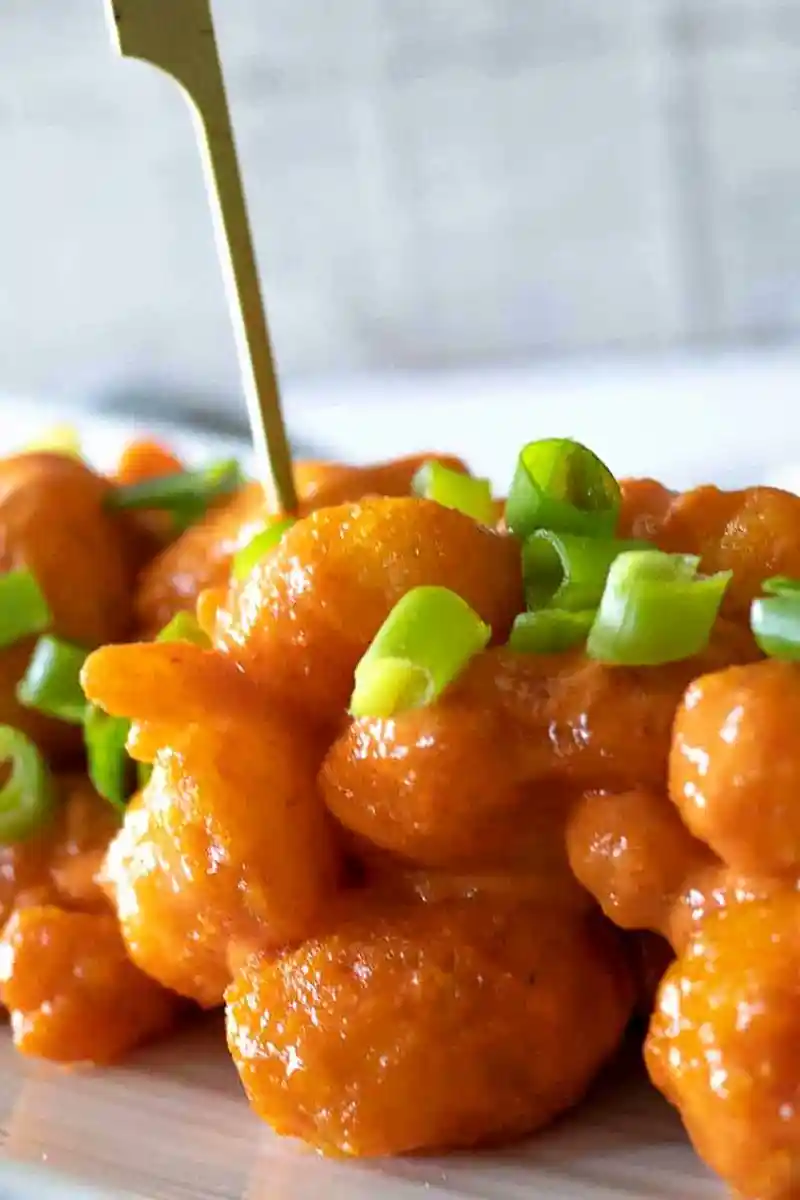
List of ingredients
- ½ lb shrimp, cleaned and deveined (about 12 medium to large shrimp) – Use medium-large size to avoid overcooking.
- ½ cup cold carbonated water – This creates the air bubbles needed for a light fry.
- ½ tsp baking powder – This helps the batter expand and become crispier.
- ½ cup flour – Provides the necessary structure for the batter coating.
- ½ cup corn starch – Increases the crunch factor of the exterior.
- Oil for frying (Canola or vegetable) – Choose an oil with a high smoke point.
- 2 scallions – Finely chopped for a fresh, sharp garnish.
- ½ cup mayonnaise – Acts as the creamy base for the spicy sauce.
- ½ cup sriracha sauce – Provides the heat and vinegar tang.
- 1 tbsp lemon juice – Adds acidity to balance the richness of the mayo.
- 1 tbsp brown sugar (or white sugar) – Balances the heat with a touch of sweetness.
- ½ tsp garlic powder – Adds a subtle savory depth to the aioli.
step-by-step instructions
- Prepare the oil: Heat your oil to 350-375°F. Use a deep-fry thermometer to ensure the temperature remains stable.
- Mix the aioli: While waiting, whisk together mayo, sriracha, sugar and garlic powder in a large bowl. Set this aside to allow the flavors to meld.
- Prep the shrimp: Pat dry your shrimp well with paper towels and season both sides. Slice the shrimp in half then season with salt and pepper.
- Create the batter: In a medium-sized bowl, whisk together your flour, cornstarch, baking powder and cold carbonated water. Whisk until the mixture is smooth and free of lumps.
- Coat the shrimp: Add your shrimp to the tempura batter and toss to fully coat. Using two forks, drop one shrimp at a time into the hot oil to prevent them from sticking.
- Fry the shrimp: Fry for 1-2 minutes until light brown or until the internal temperature reaches 120°F. Do not overcrowd your pan or the oil temperature will drop, making the shrimp greasy.
- Drain and cool: Use a spider tool or slotted spoon to remove shrimp when ready. Let drain on paper towels or a wire rack to prevent soggy bottoms.
- Finish the batch: Wait 30 seconds or so and repeat with the rest of your shrimp. This pause allows the oil to return to the target temperature.
- Garnish and serve: Garnish with chopped scallions. Serve hot immediately for the best texture.
Tempura Batter Technical Guidelines
Maintaining Cold Batter Temperatures
Keeping the batter cold is essential for a light, crisp texture. Cold liquid prevents the development of too much gluten in the flour. This ensures the shrimp remains airy rather than chewy or bread-like.
The Role of Carbonation in Texture
Carbonated water introduces tiny air bubbles into the batter. When these bubbles hit the hot oil, they expand rapidly. This process creates a thinner, more porous crust that is significantly crispier than standard batters.
Avoiding Overmixing the Batter
Whisk the batter only until the lumps are gone. Overmixing activates the gluten proteins in the flour, which can lead to a tough coating. A slightly under-mixed batter often yields a more tender, authentic tempura result.
Cornstarch and Flour Proportions
The combination of cornstarch and flour provides a balance between structure and crunch. Cornstarch prevents the batter from absorbing too much oil. This results in a dry, crisp finish that holds the sauce better.
Deep Frying Precision and Safety
Using a Deep Fry Thermometer
Maintaining a temperature between 350°F and 375°F is critical. If the oil is too cold, the shrimp will soak up grease and become soggy. If it is too hot, the outside will burn before the shrimp is cooked through.
Preventing Oil Temperature Drops
Adding too many shrimp at once lowers the oil temperature instantly. This leads to a greasy texture and uneven cooking. Fry in small batches to keep the heat consistent throughout the process.
Selecting High Smoke Point Oils
Use oils like canola or vegetable oil because they can withstand high heat without breaking down. Avoid using butter or extra virgin olive oil for this method. These oils have low smoke points and will burn quickly at 350°F.
Optimizing the Draining Process
Placing fried shrimp on a wire rack is superior to using paper towels. A rack allows air to circulate around the entire shrimp, preventing steam from building up. This keeps the bottom of the shrimp from becoming soft.
Sriracha Aioli Customization
Adjusting Heat Levels for Guests
To reduce the spice, increase the ratio of mayonnaise and lemon juice. You can also omit a portion of the sriracha. This allows the creamy flavor to dominate while maintaining a mild warmth.
Substituting Honey for Sugar
Honey can be used as a 1:1 replacement for brown sugar. Honey adds a distinct floral sweetness and a thicker consistency to the sauce. It blends well with the acidity of the lemon juice.
Enhancing the Acidity
If the sauce feels too heavy, add an extra teaspoon of lemon or lime juice. The acid cuts through the fat of the mayonnaise. This creates a more balanced flavor profile that tastes fresher on the palate.
Utilizing Fresh Garlic
While garlic powder provides a consistent flavor, fresh minced garlic can be used for a sharper taste. Ensure the garlic is minced into a fine paste. This prevents large chunks from disrupting the smooth texture of the aioli.
Serving and Presentation Methods
Serving on a Bed of Romaine Lettuce
Placing the hot shrimp on chopped romaine lettuce provides a cooling contrast. The crispness of the lettuce complements the fried texture of the shrimp. It also adds a visual pop of color to the presentation.
Utilizing Toothpick Skewers
Since this is a finger food, providing toothpick skewers makes it easier for guests to eat. It prevents fingers from getting messy with the aioli. This is especially useful for cocktail parties or buffet settings.
Pairing with Complementary Sides
Serve these shrimp alongside steamed edamame or a cucumber salad. These light, fresh sides balance the richness of the fried batter and creamy sauce. It turns a simple appetizer into a complete Japanese-inspired platter.
The Timing of Sauce Application
Toss the shrimp in the sauce immediately before serving. If they sit in the aioli for too long, the moisture will penetrate the crust. This will cause the tempura to lose its characteristic crunch.
Storage and Reheating Advice
Storing Uncoated Fried Shrimp
If making these in advance, fry the shrimp and let them cool completely. Store them in an airtight container in the refrigerator for up to two days. Do not apply the sauce until you are ready to reheat and serve.
Air Fryer Reheating Method
The air fryer is the best tool for restoring crispiness. Heat the shrimp at 375°F for 2-3 minutes. This removes excess oil and re-crisps the tempura batter without adding more fat.
Oven Reheating Instructions
If an air fryer is unavailable, use a conventional oven. Preheat the oven to 400°F and place shrimp on a baking sheet. Heat for 5 minutes, flipping halfway through, to avoid soggy bottoms.
Managing Sauce Storage
Store the sriracha aioli in a sealed glass jar in the fridge. It will remain fresh for up to a week. Gently whisk the sauce before using it to re-emulsify any separated ingredients.
Troubleshooting Common Issues
Resolving Soggy Batter Problems
Soggy batter is usually caused by oil that is too cool. Always check the temperature between batches. If the oil drops below 350°F, wait a few minutes before adding more shrimp.
Preventing Shrimp from Sticking Together
Ensure that shrimp do not touch each other when first placed in the oil. Use a fork to space them out carefully. Once the batter sets for a few seconds, they can move freely without sticking.
Fixing an Overly Spicy Sauce
If the aioli is too spicy, whisk in an additional tablespoon of mayonnaise. A small amount of maple syrup or honey can also neutralize the heat. Taste frequently until the balance is right.
Eliminating Batter Clumps
Clumps in the batter can lead to uneven coating and burnt spots. Use a whisk and a steady hand to incorporate the flour. If lumps persist, you can pass the batter through a fine-mesh strainer.
Frequently Asked Questions
Can I use prawns instead of shrimp?
Yes, prawns can be used as a direct substitute. They generally have a slightly firmer texture and a sweeter taste, but they work perfectly with tempura batter and sriracha aioli.
Can I use seltzer water instead of club soda?
Yes, any highly carbonated water will work. The goal is to have active bubbles in the liquid to create the light, airy texture of the tempura.
Is this batter gluten-free?
As written, this recipe contains wheat flour. To make it gluten-free, replace the flour with a high-quality 1:1 gluten-free flour blend or corn flour.
Can I bake these instead of frying?
Baking will not produce the same tempura result. For a healthier version, you can coat them in panko breadcrumbs and bake, but the light, airy texture of tempura requires deep frying.
Print
Crispy Dynamite Shrimp Tempura with Sriracha Aioli
- Total Time: 18 minutes
- Yield: 4 servings 1x
- Diet: General
Description
This Dynamite Shrimp appetizer is lightly battered, fried and coated in a creamy sriracha aioli.
Ingredients
- ½ lb shrimp, cleaned and deveined
- ⅓ cup flour
- ¼ cup corn starch
- ½ tsp baking powder
- ½ cup cold carbonated water
- Oil for frying (Canola or vegetable)
- 2 scallions
- ½ cup mayonnaise
- ¼ cup sriracha sauce
- 1 tbsp lemon juice
- 1 tbsp brown sugar
- ½ tsp garlic powder
Instructions
- Heat: Heat your oil to 350-375°F.
- Mix Sauce: Whisk together mayo, sriracha, sugar and garlic powder in a large bowl. Set aside.
- Prepare Shrimp: Pat dry your shrimp well with paper towels and season both sides. Slice the shrimp in half then season with salt and pepper.
- Make Batter: In a medium-sized bowl, whisk together your flour, cornstarch, baking powder and carbonated water.
- Fry: Add your shrimp to the tempura batter and toss to fully coat. Using two forks, drop one shrimp at a time into the hot oil. Fry for 1-2 minutes until light brown or until the internal temperature reaches 120°F.
- Drain: Use a spider tool or slotted spoon to remove shrimp when ready. Let drain on paper towels or a wire rack.
- Garnish: Garnish with chopped scallions. Serve hot!
Notes
Tone down the spice by using more mayo. Replace the sugar with honey if you prefer. This recipe is best served hot.
- Prep Time: 10 minutes
- Cook Time: 8 minutes
- Category: Appetizer
- Method: Frying
- Cuisine: Japanese
Nutrition
- Serving Size: 3 shrimp
- Calories: 154 kcal
- Sugar: 2.5 g
- Sodium: 246 mg
- Fat: 4.5 g
- Saturated Fat: 0.7 g
- Unsaturated Fat: 3.8 g
- Trans Fat: 0 g
- Carbohydrates: 13.1 g
- Fiber: 0.5 g
- Protein: 13.9 g
- Cholesterol: 119 mg