This quick-cooking shrimp dish combines zesty lime and fresh cilantro for a bright, savory meal. It takes only 20 minutes from start to finish, making it an ideal choice for weeknight dinners.
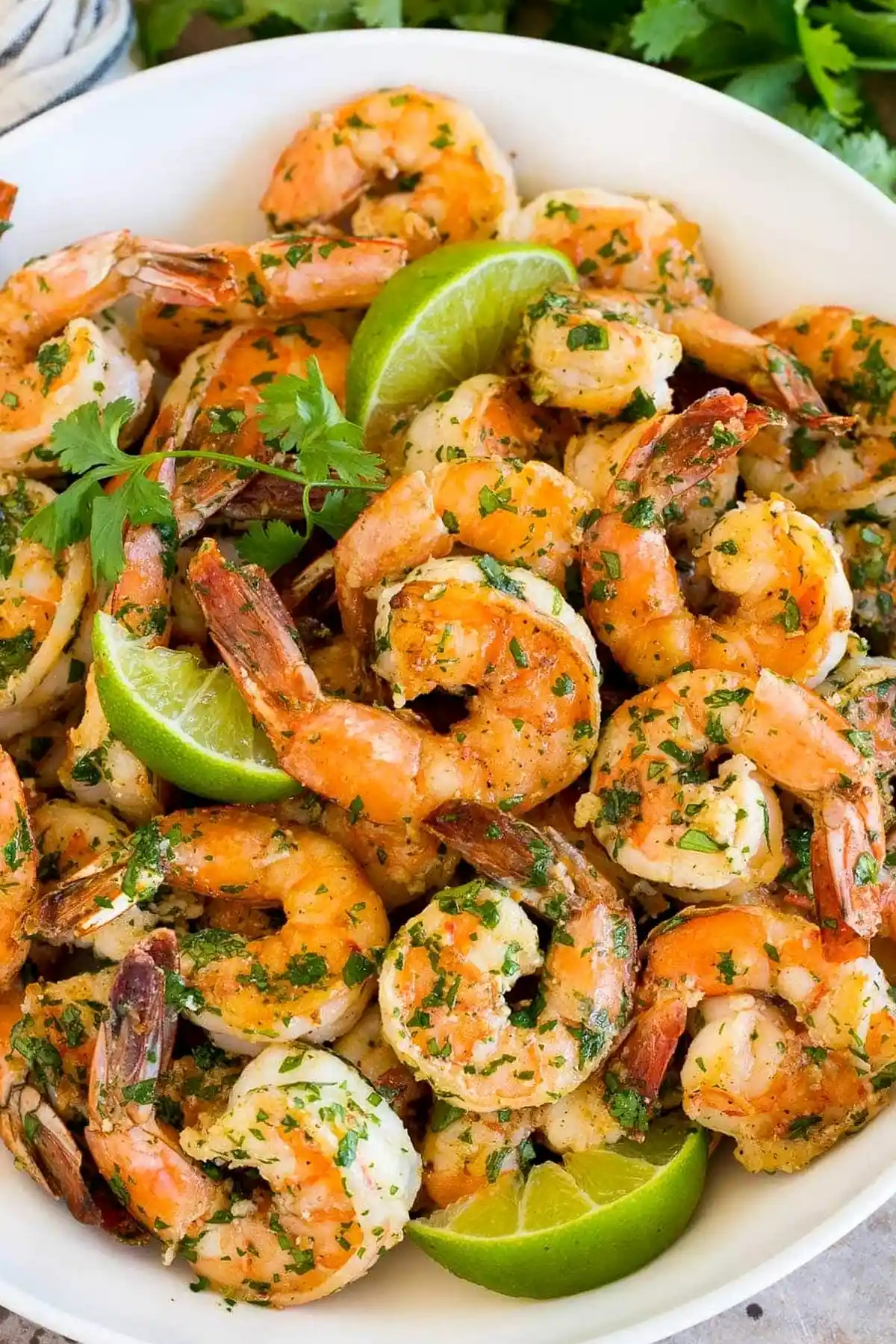
List of ingredients
- 2 tablespoons butter – provides a rich base for the sauce.
- 1 pound extra large shrimp – peeled and deveined for easy eating.
- ½ teaspoon salt – enhances all the natural flavors.
- ¼ teaspoon pepper – adds a subtle warmth.
- 2 teaspoons minced garlic – adds a pungent, savory depth.
- ¼ teaspoon cumin – brings an earthy, smoky note.
- ¼ cup chopped cilantro leaves – adds fresh, herbaceous flavor.
- 2 tablespoons lime juice – provides the necessary acidity and brightness.
- cilantro springs and lime wedges – used for final garnish.
step-by-step instructions
- Melt Butter: Melt the butter in a large pan over high heat until it is bubbling.
- Season: Season the shrimp generously with the salt and pepper on all sides.
- Sear Shrimp: Add the shrimp to the pan and cook for 3-4 minutes, stirring occasionally until they are pink and opaque.
- Add Aromatics: Add the minced garlic and cumin to the pan and cook for 1 minute more until fragrant.
- Finish Sauce: Stir in the lime juice and chopped cilantro, tossing gently to coat the shrimp.
- Serve: Serve immediately, garnished with fresh cilantro sprigs and lime wedges if desired.
Expert Advice for Perfect Shrimp
Choosing the Right Shrimp Size
Using extra large shrimp is recommended to ensure they stay juicy during the high-heat sauté process. Look for a count of 16-20 or 21-25 per pound. Smaller shrimp cook much faster and can become rubbery if left in the pan for the full 4 minutes.
Thawing Frozen Shrimp Properly
If using frozen shrimp, thaw them slowly in the refrigerator overnight. For a faster method, place them in a sealed bag and submerge them in a bowl of cold water. Never use warm water, as this can affect the texture and safety of the seafood.
The Importance of Patting Shrimp Dry
Always pat your shrimp dry with a paper towel before seasoning. Excess moisture creates steam in the pan, which prevents the shrimp from searing properly. Dry shrimp develop a better golden-brown crust and absorb the butter and spices more effectively.
Removing the Tails for Convenience
You can leave the tails on for a more professional presentation, which is ideal for appetizers. For a family meal, removing the tails makes the dish easier to eat. Use a small pair of kitchen shears to snip them off quickly before cooking.
Flavor Customization and Alternatives
Swapping Butter for Olive Oil
To make this recipe dairy-free, replace the butter with a high-quality extra virgin olive oil. While butter provides a richer taste, olive oil offers a cleaner profile. Use a similar quantity of oil to ensure the pan is well-coated.
Using Green Onions instead of Cilantro
If you do not have cilantro or prefer a different herbal note, use two tablespoons of thinly sliced green onions. Green onions provide a mild onion flavor that complements the lime and garlic. This is a great alternative for those who find cilantro too potent.
Adding Smoked Paprika for Depth
Adding a pinch of smoked paprika along with the cumin increases the smokiness of the dish. This adds a deeper color to the shrimp and a complex, woody flavor. It pairs exceptionally well with the acidity of the lime juice.
Incorporating Chili Powder for Heat
For those who enjoy a bit of spice, add a quarter teaspoon of chili powder during the garlic and cumin step. This adds a mild heat and a traditional Mexican flavor profile. Adjust the amount based on your personal spice tolerance.
Using Cajun Seasoning for a Zesty Twist
You can substitute the salt, pepper, and cumin with a tablespoon of Cajun seasoning. This gives the dish a bolder, punchier taste with a mix of cayenne and paprika. Be careful with additional salt, as most Cajun blends are already salted.
Alternative Protein Options like Scallops or Salmon
This flavor profile works well with other seafood. Swap shrimp for sea scallops or bite-sized chunks of salmon. Be mindful that scallops require a very hot pan and a shorter cooking time to avoid toughness.
Meal Pairing and Serving Suggestions
Preparing Cilantro Lime Rice
Serve the shrimp over a bed of basmati or jasmine rice cooked with lime zest and fresh cilantro. The rice absorbs the extra butter and lime sauce from the pan. This creates a complete, filling meal with balanced flavors.
Adding Black Beans and Corn
Pair this dish with a side of seasoned black beans and sweet corn. You can sauté the beans and corn together with a bit of cumin and lime. This adds fiber and a contrasting texture to the tender shrimp.
Serving as Tacos in Flour or Corn Tortillas
These shrimp are perfect for tacos. Warm your tortillas on a griddle and fill them with the cooked shrimp. Top them with shredded cabbage or sliced radishes for a satisfying crunch.
Adding Fresh Avocado Slices
Fresh avocado provides a creamy contrast to the acidity of the lime. Slice a ripe avocado or make a quick guacamole to serve on the side. The healthy fats in the avocado help balance the richness of the butter.
Topping with Cotija Cheese
A sprinkle of crumbled Cotija cheese adds a salty, tangy finish to the dish. This Mexican-style cheese does not melt completely, providing a nice textural contrast. It enhances the savory notes of the garlic and cumin.
Storage and Preservation Guidelines
Proper Cooling and Container Choice
Allow the shrimp to cool slightly before transferring them to a container. Use an airtight glass or BPA-free plastic container to keep moisture in. This prevents the shrimp from drying out during refrigeration.
Maximum Refrigeration Time
Leftover cilantro lime shrimp will stay fresh in the refrigerator for up to two days. Beyond this window, the texture of the shrimp may degrade, and the cilantro may lose its brightness. Always store them in the coldest part of the fridge.
Avoiding the Freezer for This Dish
It is not recommended to freeze this dish after it has been cooked. Re-freezing cooked shrimp often leads to a mushy, rubbery texture. For the best quality, cook only the amount of shrimp you plan to eat within 48 hours.
Reheating Methods to Maintain Texture
Using a Stovetop Pan for Reheating
The best way to reheat these shrimp is in a skillet over medium-low heat. Add a small knob of butter or a splash of water to prevent sticking. Heat them just until they are warmed through to avoid overcooking them.
Microwave Precautions to Prevent Rubberiness
If using a microwave, use a low power setting and heat in 30-second intervals. Stir the shrimp between intervals to ensure even heating. Overheating in the microwave is the fastest way to make shrimp tough and rubbery.
Adding Fresh Lime Juice After Reheating
Reheating can dull the brightness of the lime and cilantro. Squeeze a fresh wedge of lime over the shrimp after they are heated. This restores the zesty flavor and makes the dish taste freshly made.
Common Cooking Challenges
Preventing Garlic from Burning
Garlic burns quickly over high heat and becomes bitter. Add the garlic only after the shrimp have mostly cooked through. This allows the shrimp to act as a buffer, protecting the garlic from the direct heat of the pan.
Identifying the Exact Moment Shrimp are Done
Shrimp are finished when they curl into a ‘C’ shape and turn opaque. If they curl tightly into an ‘O’ shape, they are likely overcooked. Remove them from the heat immediately once they reach the ‘C’ stage.
Fixing Under-Seasoned Shrimp
If the dish tastes bland, increase the acidity rather than the salt. A small extra squeeze of lime juice often wakes up the other flavors. If it still lacks depth, a pinch more salt or cumin can help.
Managing Butter Splatter on High Heat
Butter can pop and splatter when cooking on high heat. Use a large skillet with high sides to contain the oil. Ensure the shrimp are patted dry to minimize the water-to-fat reaction that causes popping.
Frequently Asked Questions
Is it better to cook shrimp with butter or oil?
Butter is generally preferred for shrimp because it adds a rich, nutty flavor that complements seafood. However, olive oil is a great substitute for those seeking a dairy-free option or a higher smoke point.
Which spices pair best with shrimp?
Shrimp pairs exceptionally well with salt, pepper, cumin, chili powder, smoked paprika, and coriander. These spices enhance the natural sweetness of the shrimp without overpowering the delicate flavor of the seafood.
Print
Cilantro Lime Shrimp
- Total Time: 20 minutes
- Yield: 4 servings 1x
- Diet: General
Description
This recipe for cilantro lime shrimp is tender shrimp sauteed with butter, garlic, cumin, lime juice and fresh cilantro. A quick and easy meal option that’s ready in minutes!
Ingredients
- 2 tablespoons butter
- 1 pound extra large shrimp (peeled and deveined)
- ½ teaspoon salt
- ¼ teaspoon pepper
- 2 teaspoons minced garlic
- ¼ teaspoon cumin
- ¼ cup chopped cilantro leaves
- 2 tablespoons lime juice
- cilantro sprigs and lime wedges for garnish
Instructions
- Step: Melt the butter in a large pan over high heat.
- Step: Season the shrimp generously with the salt and pepper.
- Step: Add the shrimp and cook for 3-4 minutes, stirring occasionally until shrimp are pink and opaque.
- Step: Add the garlic and cumin and cook for 1 minute more.
- Step: Stir in the lime juice and cilantro.
- Step: Serve immediately, garnished with cilantro sprigs and lime wedges if desired.
Notes
Use extra large shrimp (16-20 or 21-25 count) for the best results. Leftovers will stay fresh in an airtight container for up to 2 days. Shrimp tails can be removed or left on for presentation.
- Prep Time: 10 minutes
- Cook Time: 10 minutes
- Category: Main
- Method: Sauteing
- Cuisine: Mexican
Nutrition
- Serving Size: 1 serving
- Calories: 185 kcal
- Sugar: 9 g
- Sodium: 461 mg
- Fat: 9 g
- Saturated Fat: 1 g
- Unsaturated Fat: 8 g
- Trans Fat: 0 g
- Carbohydrates: 15 g
- Fiber: 5 g
- Protein: 30 g
- Cholesterol: 173 mg