Prepare a restaurant-quality seafood dish in under 15 minutes with this efficient method. This recipe balances bright citrus and rich butter to highlight the natural flavor of the shrimp.

List of ingredients
- 1 tablespoon olive oil – used for the initial sear.
- 1/2 teaspoon red pepper flakes – provides a subtle spicy kick.
- 1 pound shrimp (peeled and deveined) – the main protein.
- 6-8 cloves of fresh garlic (minced) – for a pungent, savory base.
- 2 tablespoon lemon juice – adds essential acidity and brightness.
- 1 tablespoon caper brine – enhances the saltiness and tang.
- 1/4 cup chopped parsley – used for freshness and color.
- 3 tablespoon butter (cut into cubes) – creates a rich, thickened sauce.
- salt and pepper to taste – for basic seasoning.
step-by-step instructions
- INFUSE: Heat a large skillet over high heat. Add the olive oil and red pepper flakes and allow the spice to infuse into the oil for 30 seconds.
- SHRIMP: Add the shrimp to the pan and spread it out so it cooks evenly. Cook for about 1 minute flipping as needed. Add the garlic, lemon juice, and caper brine to the skillet and let cook for 1 minute.
- SPRINKLE: Add 1/2 of the parsley along with the cubes of butter and swirl the pan so butter starts to melt slowly, about 2-3 minutes. As the butter melts it should start forming a thick type of sauce.
- FINISH: Add the remaining parsley and stir to combine. If the sauce starts to thicken too much, you can remove the shrimp to a serving dish and add a teaspoon of water to help thin it out to a pourable consistency.
Preparation Essentials
Dry the Shrimp Thoroughly
Patting the shrimp dry with paper towels is critical before cooking. This prevents the shrimp from steaming in the pan and ensures they sear properly. Excess moisture also dilutes the lemon butter sauce, reducing its intensity.
Use Freshly Minced Garlic
Mincing garlic immediately before use preserves the volatile oils and flavor. Jarred minced garlic often contains preservatives or citric acid that alter the taste. Fresh garlic provides the sharp, aromatic quality necessary for this dish.
Zest the Lemon First
Zest your lemon before juicing it to capture the aromatic oils in the skin. While the juice provides acidity, the zest adds a deep citrus fragrance. Sprinkle a pinch of zest over the finished shrimp for an extra layer of flavor.
Control the Heat Level
Start with high heat to infuse the oil and sear the shrimp quickly. However, be prepared to modulate the temperature when adding the garlic. Garlic burns rapidly at very high temperatures, which can lead to a bitter taste.
Searing Technique
Arrange the shrimp in a single layer across the skillet to ensure even heat distribution. Avoid overcrowding the pan, as this lowers the temperature and releases too much liquid. This can result in boiled shrimp rather than seared shrimp.
Flavor Enhancements and Substitutions
Butter Alternatives
Use unsalted butter to maintain full control over the sodium levels, especially since caper brine is quite salty. For a dairy-free version, a high-quality plant-based butter substitute works well. This maintains the creamy consistency of the pan sauce.
Working with Frozen Shrimp
Thaw frozen shrimp completely in the refrigerator overnight for the best texture. If you are in a rush, place them in a sealed bag under cold running water. Always rinse and pat them dry before they hit the oil.
Caper Brine Substitutes
If you do not have capers, you can substitute the brine with a mixture of extra lemon juice and a pinch of salt. A small splash of white grape juice can also mimic the unique tang. This ensures the sauce remains acidic and savory.
Choosing the Right Oil
Extra virgin olive oil is traditional and adds a fruity note to the base. For higher heat, avocado oil or grapeseed oil are excellent choices due to their higher smoke points. Choose an oil that can withstand the initial high-heat infusion.
Garlic Variations
For a more mellow flavor, you can use roasted garlic cloves mashed into a paste. If you prefer a more intense taste, use a garlic press to create a fine mince. The finer the garlic, the more it integrates into the sauce.
Adjusting the Spice Level
The red pepper flakes provide a mild heat, but you can adjust the amount to suit your preference. For a different profile, try a pinch of smoked paprika for earthiness. Avoid using pre-ground black pepper in the oil infusion to prevent burning.
Suggested Side Dishes
Serving with Fluffy Grains
White or brown rice are excellent choices for absorbing the excess lemon butter sauce. Brown rice adds a nutty flavor and increased fiber to the meal. Simply drizzle the pan sauce over the grains before serving.
Pasta Pairing Options
Linguine, angel hair, or spaghetti are classic partners for garlic shrimp. Toss the cooked pasta in a small amount of olive oil to prevent sticking. Combine the pasta with the shrimp and sauce in the skillet for a cohesive meal.
Low Carb Zucchini Noodles
Use a spiralizer to create zucchini noodles for a lighter, low-carb alternative. Sauté the zoodles quickly in a separate pan so they remain slightly crisp. This prevents the shrimp sauce from becoming too watery.
Steamed Green Vegetables
The acidity of the lemon butter cuts through the earthy taste of steamed broccoli or asparagus. Toss the cooked vegetables into the pan during the final minute of cooking. This allows them to be coated in the garlic butter.
Toasted Crusty Bread
A toasted baguette or sourdough loaf is perfect for dipping into the remaining pan sauce. Brush the bread with a little garlic butter and toast it until golden brown. This adds a satisfying crunch to the meal.
Protein-Packed Quinoa
Quinoa is a nutrient-dense grain that absorbs the flavors of the sauce efficiently. Mix in some chopped fresh herbs or a squeeze of lemon into the quinoa. This complements the bright notes of the shrimp.
Proper Storage and Reheating
Refrigerator Storage
Store leftover shrimp and sauce in an airtight glass container in the refrigerator. This dish is best consumed within three days to maintain the quality of the seafood. Keep the shrimp submerged in the sauce to prevent them from drying out.
Safe Reheating Methods
Avoid the microwave if possible, as it can easily overcook shrimp and make them rubbery. Instead, reheat them in a skillet over low heat. Add a teaspoon of water or lemon juice to loosen the butter sauce back to its original consistency.
Microwave Precautions
If a microwave is your only option, use a medium power setting. Heat the shrimp in short 30-second bursts, stirring in between. This prevents the butter from separating and the shrimp from toughening.
Freezing Guidelines
It is not recommended to freeze this dish due to the butter-based sauce. Butter sauces often break or separate during the freezing and thawing process. For the best experience, prepare this recipe for immediate consumption.
Common Cooking Troubleshooting
Fixing a Too-Thick Sauce
If the sauce becomes too viscous or clings too tightly to the shrimp, stir in a teaspoon of water. This restores the pourable consistency without significantly diluting the flavor. Do this just before removing the pan from the heat.
Preventing Overcooked Shrimp
Shrimp are perfectly cooked when they turn opaque and curl into a ‘C’ shape. If they curl tightly into an ‘O’ shape, they are overcooked and may be rubbery. Remove them from the heat the moment they reach the ‘C’ stage.
Managing Burnt Garlic
Because garlic burns quickly, ensure you add the lemon juice and brine immediately after the garlic. The liquid lowers the pan temperature and stops the garlic from browning too fast. If the garlic burns, it is best to start the sauce over.
Correcting Sauce Separation
If the butter separates from the lemon juice, swirl the pan vigorously while removing it from the heat. This physical motion helps emulsify the fats and acids. Adding the butter in small cubes helps create a smoother emulsion.
Balancing Bland Flavors
If the dish lacks punch, add an extra squeeze of fresh lemon juice. The acidity acts as a flavor enhancer, brightening the garlic and butter. A pinch of extra salt can also help the flavors stand out.
Essential Kitchen Tools
The Right Skillet
A stainless steel or cast iron skillet is ideal for this recipe. These materials hold heat consistently, which is necessary for achieving a proper sear on the shrimp. Non-stick pans work but may not provide the same level of browning.
Citrus Squeezer
A handheld citrus press ensures you extract the maximum amount of juice from your lemon. It also prevents seeds from falling into the sauce, which can add an unpleasant bitterness. This tool makes the process faster and cleaner.
Garlic Press
A garlic press is a time-saver for those who want a very fine texture. It ensures the garlic is evenly distributed throughout the sauce rather than in large chunks. Be sure to clean the press immediately after use.
Wide Fish Turner
A wide, thin spatula or fish turner is helpful for flipping the shrimp without breaking them. It allows you to move the seafood precisely in a crowded pan. This ensures every shrimp is seared evenly on both sides.
Frequently Asked Questions
Is it best to cook shrimp in butter or oil?
You can use either, but oil is better for high-heat searing because it has a higher smoke point. Butter contains milk solids that can burn if heated too high. In this recipe, oil is used for the sear, and butter is added at the end for the sauce.
Can I use large shrimp instead of small ones?
Yes, you can use jumbo or large shrimp. However, you will need to increase the initial cooking time by 30 to 60 seconds per side. Ensure they are opaque throughout before adding the liquid ingredients.
How do I prevent the shrimp from sticking?
Ensure the olive oil is shimmering and hot before adding the shrimp to the pan. Do not move the shrimp immediately after placing them down. Let them sear for a minute to develop a crust, which naturally releases them from the pan.
What exactly is caper brine?
Caper brine is the salty, acidic liquid that capers are packed in within the jar. It contains a concentrated amount of salt and vinegar. This liquid adds a depth of flavor that lemon juice alone cannot provide.
Can this be made with a different protein?
Yes, scallops or bay scallops work exceptionally well with this lemon butter garlic sauce. Adjust the cooking time based on the size of the scallops. Be careful not to overcook them, as they can become tough.
How do I make the sauce creamier?
For a richer sauce, you can stir in a tablespoon of heavy cream at the very end. Alternatively, whisk in one additional cube of cold butter right before serving. This creates a more velvet-like texture to the glaze.
Print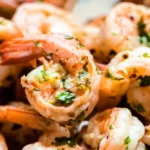
Quick Lemon Butter Garlic Shrimp
- Total Time: 15 minutes
- Yield: 3–4 servings 1x
- Diet: General
Description
Garlic Shrimp in Lemon Butter Sauce – in less than 15 minutes! These little guys are cooked with a light lemon butter sauce that’s just enough to drizzle on steamed veggies or serve the shrimp on crusty bread! So easy and so delicious!
Ingredients
- 1 tablespoon olive oil
- 1/2 teaspoon red pepper flakes
- 1 pound shrimp (peeled and deveined)
- 6–8 cloves of fresh garlic (minced)
- 2 tablespoon lemon juice
- 1 tablespoon caper brine
- 1/4 cup chopped parsley
- 3 tablespoon butter (cut into cubes)
- salt and pepper to taste
Instructions
- INFUSE: Heat a large skillet over high heat. Add the olive oil and red pepper flakes and allow the spice to infuse into the oil for 30 seconds.
- SHRIMP: Add the shrimp to the pan and spread it out so it cooks evenly. Cook for about 1 minute flipping as needed. Add the garlic, lemon juice, and caper brine to the skillet and let cook for 1 minute.
- SPRINKLE: Add 1/2 of the parsley along with the cubes of butter and swirl the pan so butter starts to melt slowly, about 2-3 minutes. As the butter melts it should start forming a thick type of sauce.
- FINISH: Add the remaining parsley and stir to combine. If the sauce starts to thicken too much, you can remove the shrimp to a serving dish and add a teaspoon of water to help thin it out to a pourable consistency.
Notes
It’s best to use fresh garlic for this recipe. Caper brine is the liquid stuff capers come packed in.
- Prep Time: 10 minutes
- Cook Time: 5 minutes
- Category: Dinner, Fish & Seafood
- Method: Sautéing
- Cuisine: Mediterranean
Nutrition
- Serving Size: 1 serving
- Calories: 285 kcal
- Sugar: 2 g
- Sodium: 680 mg
- Fat: 17 g
- Saturated Fat: 8 g
- Unsaturated Fat: 9 g
- Trans Fat: 0 g
- Carbohydrates: 3 g
- Fiber: 1 g
- Protein: 31 g
- Cholesterol: 185 mg