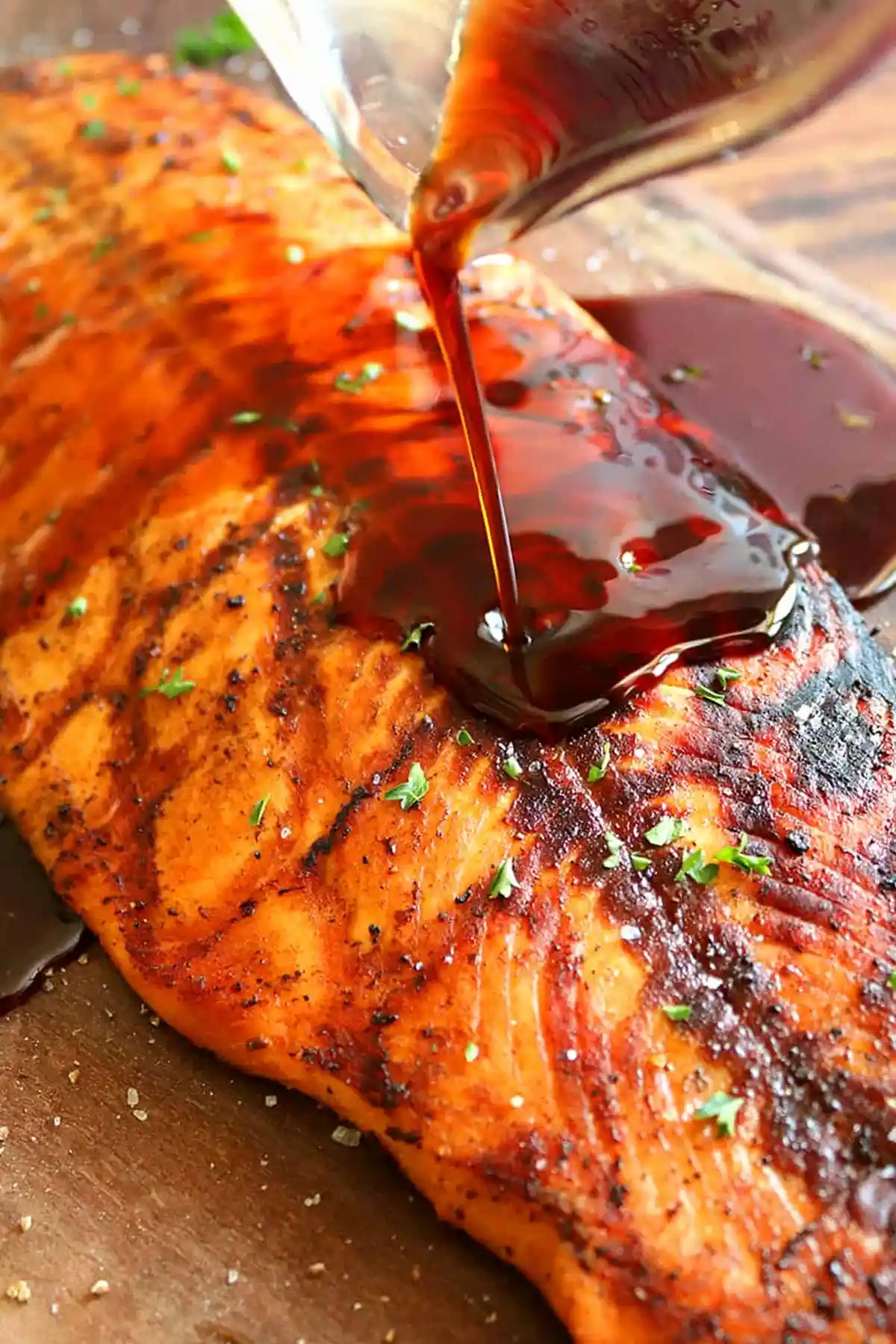
Prepare a rich and savory hot smoked salmon using your electric smoker or pellet grill. This method ensures a tender texture complemented by a sweet and salty soy glaze.
List of ingredients
- 2 pounds Whole Salmon Fillet – ensure it is cleaned and patted dry.
- 2 tablespoons Brown Sugar – used for the initial dry rub.
- 1 teaspoon Salt – enhances flavor and helps with texture.
- 1/2 teaspoon Black Pepper – adds a subtle spicy kick.
- 3 tablespoons Brown Sugar – used for the finishing soy glaze.
- 2 tablespoons Soy Sauce – provides the savory umami base for the sauce.
step-by-step instructions
- Prepare the Smoker: Preheat your electric smoker to 225 degrees Fahrenheit. Use apple, cherry, or pecan pellets or wood chips for the best aromatic results.
- Prepare the Salmon: Clean the salmon fillet to remove any remaining scales or bones. Pat the surface dry with paper towels to ensure the rub adheres well.
- Apply the Dry Rub: In a small mixing bowl, combine the 2 tablespoons of brown sugar, salt, and black pepper. Rub this mixture thoroughly onto the flesh side of the salmon.
- Smoke the Fish: Place the salmon directly on the smoker grates, skin side down. Cook until the internal temperature reaches 140 degrees Fahrenheit, which typically takes between 40 minutes and 1 hour.
- Verify Doneness: If you do not have a thermometer, use a fork to peel back several layers of the fish. The salmon is done when the center is no longer translucent and the meat flakes easily.
- Rest the Salmon: Remove the fillet from the smoker and let it rest for 10 minutes to allow the juices to redistribute.
- Create the Glaze: While the fish rests, combine 3 tablespoons of brown sugar and 2 tablespoons of soy sauce in a microwave-safe dish. Microwave for 30 seconds, stir, and cook for another 15-20 seconds until the sugar is fully dissolved.
- Final Touch: Drizzle the warm soy glaze over the top of the rested salmon before serving.
Optimizing Your Wood Chip Selection
Using Apple Wood for Mild Sweetness
Apple wood is one of the best choices for salmon because it provides a mild, fruity sweetness. This subtle flavor enhances the natural richness of the fish without overpowering it. It is an ideal choice for those who prefer a lighter smoke profile.
Using Cherry Wood for Rich Color
Cherry wood offers a slightly more intense sweetness than apple wood. It is highly valued for the deep, reddish-brown mahogany color it imparts to the surface of the salmon. This wood is excellent for creating a visually stunning presentation.
Using Pecan Wood for a Nutty Aroma
Pecan wood provides a bolder, nuttier flavor that pairs well with the salty notes of the soy glaze. It is a stronger smoke than apple or cherry, making it suitable for those who enjoy a more pronounced smoky taste. Use this if you want the smoke to be a primary component of the dish.
Mastering Temperature and Texture
Monitoring Internal Temperature
The most reliable way to ensure salmon is cooked perfectly is using a digital meat thermometer. Aim for an internal temperature of 140 degrees Fahrenheit at the thickest part of the fillet. This prevents the fish from becoming dry or rubbery while ensuring it is safely cooked.
Performing the Flake Test
If a thermometer is unavailable, the flake test is a practical alternative. Gently press a fork into the side of the fillet; if the layers separate easily and the center is opaque, the fish is ready. Avoid overcooking, as salmon continues to cook slightly after being removed from the heat.
The Importance of the Resting Period
Allowing the salmon to rest for 10 minutes is critical for maintaining moisture. During this time, the muscle fibers relax, and the internal juices redistribute evenly throughout the fillet. Cutting into the fish too early can lead to moisture loss and a drier texture.
Diverse Serving Suggestions
Creating Salmon Croquettes
Flake the smoked salmon and shape it into small patties. Mix in a small amount of binder and air-fry them until they develop a golden, crispy exterior. These make excellent appetizers or a hearty brunch side.
Preparing a Smoked Salmon Salad
Combine flaked smoked salmon with mayonnaise, diced celery, and a squeeze of lemon juice. Serve this mixture on toasted whole-grain bread or in a wrap for a protein-rich lunch. The smokiness of the fish adds depth to the creamy salad.
Assembling Salmon Tacos
Place chunks of smoked salmon into warm corn or flour tortillas. Top them with a fresh mango corn salsa and sliced avocado or refried beans. The sweetness of the mango balances the savory soy glaze of the salmon perfectly.
Making a Salmon Stir-Fry
Cut the smoked salmon into bite-sized pieces and sauté them quickly with green beans, bell peppers, and carrots. Use a light stir-fry sauce to avoid over-salting the dish. Serve the mixture over steamed white rice or noodles for a complete meal.
Smoked Salmon Benedict
Substitute traditional Canadian bacon with slices of hot smoked salmon on toasted English muffins. Top with poached eggs and capers, then drizzle with a rich hollandaise sauce. This creates a decadent brunch option that is more flavorful than the original version.
Creamy Smoked Salmon Pasta
Fold flaked smoked salmon into cooked pasta tossed in a creamy garlic sauce. Add spinach, sliced onions, cherry tomatoes, artichokes, and capers for added texture. A pinch of chili flakes can provide a nice contrast to the creaminess.
Luxury Salmon Omelettes
Incorporate smoked salmon, crumbled feta cheese, and freshly chopped chives into beaten eggs. Cook the omelette over medium heat until fluffy. This combination provides a high-protein breakfast with a sophisticated flavor profile.
Cold Smoked Salmon Crostini
Spread garlic-infused cream cheese onto toasted baguette slices. Top each slice with a piece of smoked salmon, a sprig of fresh dill, and a few capers. These elegant appetizers are perfect for gatherings or dinner parties.
Storage and Preservation Guidelines
Refrigeration and Shelf Life
Store leftover smoked salmon in an airtight container in the refrigerator. It will remain fresh and safe to eat for up to one week. To maintain quality, ensure the container is sealed tightly to prevent the fish from absorbing other odors in the fridge.
Freezing for Long-Term Use
Smoked salmon can be frozen for up to six months without significant loss of quality. The best method is to separate the fillet into individual portions and vacuum seal them. If a vacuum sealer is unavailable, use heavy-duty freezer bags and remove as much air as possible.
Proper Thawing Techniques
To thaw frozen salmon, place the portion in the refrigerator overnight for a slow, safe defrost. Alternatively, you can place the sealed package in a bowl of cold water, changing the water every 30 minutes. Avoid using hot water, as this can compromise the texture and safety of the fish.
Effective Reheating Methods
Using the Oven for Best Texture
Preheat your oven to 275 degrees Fahrenheit and place the salmon on a baking sheet. Cover it loosely with foil to prevent drying out and heat for 10-15 minutes. This method gently warms the fish through without overcooking the edges.
Quick Microwave Reheating
Place a portion of salmon on a microwave-safe plate and cover it with a damp paper towel. Heat on medium power in 30-second intervals, checking frequently. This is the fastest method, though it carries a higher risk of overcooking if not monitored closely.
Air Fryer Refresh
Place the salmon in the air fryer at 350 degrees Fahrenheit for 3-5 minutes. This quickly warms the center and can slightly crisp the edges of the glaze. It is an efficient way to bring back some of the original texture of the smoked fillet.
Troubleshooting Common Smoking Issues
Preventing Salmon from Sticking
To avoid the fish sticking to the smoker grates, lightly oil the wires with a high-smoke-point oil before adding the salmon. Alternatively, you can place the fillet on a piece of parchment paper or a baking sheet. This makes removal much easier and keeps the fillet intact.
Fixing Dry or Overcooked Salmon
If the salmon feels dry, it was likely cooked past 145 degrees Fahrenheit. To remedy this when serving, drizzle extra soy glaze or serve it with a side of creamy sauce to add moisture. In the future, reduce the smoking time or lower the temperature slightly.
Addressing Uneven Smoke Distribution
If some parts of the salmon are more smoked than others, it may be due to poor airflow in the smoker. Try rotating the fillet halfway through the cooking process. Ensure that the fish is not blocking the vents of your electric smoker to allow smoke to circulate evenly.
Frequently Asked Questions
Can I use honey instead of brown sugar?
Yes, you can substitute honey or maple syrup for brown sugar in both the rub and the glaze. Keep in mind that liquid sweeteners will change the consistency of the rub, making it more of a marinade than a dry crust.
Is it safe to use frozen salmon for this recipe?
Yes, as long as the salmon is completely thawed before the smoking process begins. Thawing in the refrigerator is the safest method to ensure the fish maintains its structural integrity and cooks evenly.
Can I make this in a traditional charcoal smoker?
Absolutely, as long as you can maintain a steady temperature of 225 degrees Fahrenheit. Use the same wood chips and follow the temperature guidelines to achieve the same hot-smoked results.
What is the difference between hot and cold smoking?
Hot smoking cooks the fish through while adding smoke flavor, resulting in a flaky texture. Cold smoking involves lower temperatures that cure the fish without cooking it, resulting in a silky, translucent texture typical of deli-style smoked salmon.
Print
Easy Hot Smoked Salmon for Electric Smokers
- Total Time: 55 minutes
- Yield: 8 servings 1x
- Diet: Pescatarian
Description
A hot smoked salmon recipe slowly cooked in a pellet grill or electric smoker and finished with a sweet soy sauce drizzle for an indulgent experience.
Ingredients
- 2 pounds whole salmon fillet
- 2 tablespoons brown sugar (for rub)
- 1 teaspoon salt
- 1/2 teaspoon black pepper
- 3 tablespoons brown sugar (for sauce)
- 2 tablespoons soy sauce
Instructions
- Step: Preheat the smoker to 225 degrees using apple, cherry, or pecan pellets/wood chips.
- Step: Clean salmon of any scales or bones remaining and pat dry.
- Step: In a bowl, combine brown sugar, salt, and pepper; rub the mixture onto the flesh side of the salmon.
- Step: Place the salmon directly on the smoker grates and cook until the internal temperature reaches 140 degrees Fahrenheit, about 40 minutes to 1 hour.
- Step: Verify doneness by peeling back a few layers of salmon with a fork to ensure the center is no longer translucent and flakes easily.
- Step: Remove from smoker and let rest for 10 minutes.
- Step: Combine brown sugar and soy sauce in a microwave-safe dish and microwave for 30 seconds, stir, and cook an additional 15-20 seconds until the sugar is dissolved and well blended.
Notes
Apple or cherry wood pellets are recommended for a hint of sweetness. Store leftovers in an airtight container in the fridge for up to a week or freezer for up to 6 months.
- Prep Time: 5 minutes
- Cook Time: 40 minutes
- Category: Main Dishes
- Method: Smoking
- Cuisine: American
Nutrition
- Serving Size: 1 serving
- Calories: 193 kcal
- Sugar: 7 g
- Sodium: 594 mg
- Fat: 7 g
- Saturated Fat: 1 g
- Unsaturated Fat: 6 g
- Trans Fat: 0 g
- Carbohydrates: 8 g
- Fiber: 0.1 g
- Protein: 23 g
- Cholesterol: 62 mg