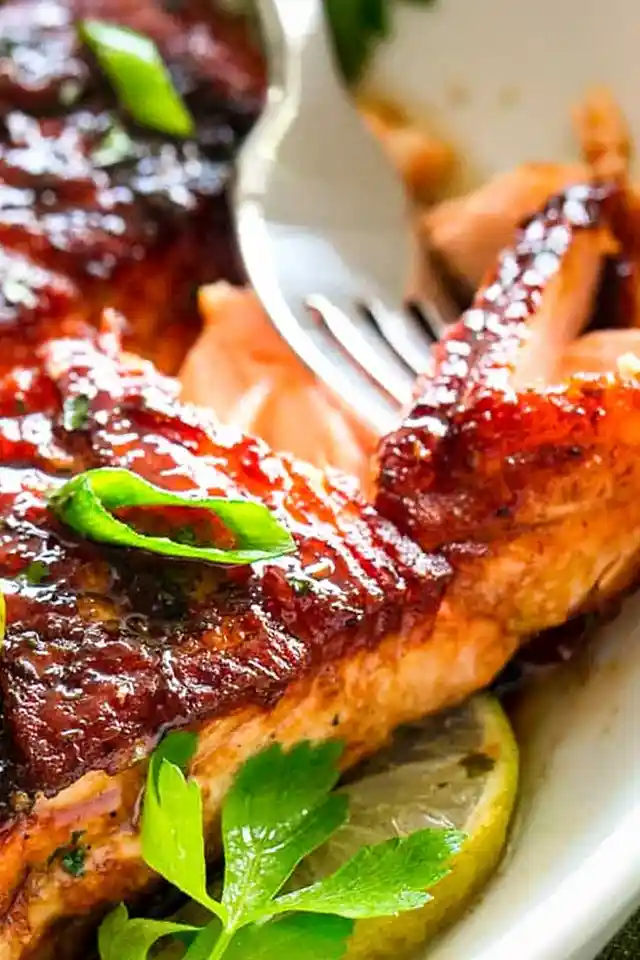
This recipe delivers a restaurant-quality meal with a perfect balance of sweet and savory notes. The pan-searing method ensures a crisp skin and moist interior in just 20 minutes.
List of ingredients
- 1 tablespoon olive oil – used for the initial sear.
- 1/2 tablespoon butter – adds richness and prevents sticking.
- 4 skin-on salmon fillets, about 5 to 6 ounces each – ensure they are evenly sized.
- Salt and fresh ground black pepper – to taste for seasoning.
- 1 tablespoon melted coconut oil – provides a silky base for the glaze.
- 2 tablespoons low sodium soy sauce – contributes a savory, salty depth.
- 2 tablespoons low sodium Worcestershire sauce – adds a complex, tangy flavor.
- 1/4 cup light brown sugar – creates the sticky, sweet caramelization.
- 1 teaspoon grated fresh ginger – adds a bright, spicy kick.
- Zest of 1 lime – provides essential citrus oils for aroma.
- Juice of 1 lime – adds necessary acidity to balance the sugar.
- Fresh ground black pepper – to taste for the sauce.
- Chopped fresh cilantro or parsley – for a fresh garnish.
- Sliced green onions – for a crisp, oniony garnish.
step-by-step instructions
- Temper the Fish: Remove the salmon fillets from the refrigerator and let them sit at room temperature for 15 minutes. This ensures the fish cooks evenly from the outside to the center.
- Heat the Pan: Combine the olive oil and butter in a large skillet over medium-high heat until the butter is melted and shimmering.
- Season: Sprinkle the salmon fillets generously with salt and fresh ground black pepper on all sides.
- Sear Skin-Side Down: Place the fillets in the skillet, skin-side down. Cook for 6 to 9 minutes without moving them, until the flesh changes from dark pink to pale and is about three-quarters cooked.
- Flip and Finish: Carefully turn the fillets over and cook for an additional 2 minutes to finish the cooking process.
- Whisk the Glaze: In a small mixing bowl, combine the melted coconut oil, soy sauce, Worcestershire sauce, brown sugar, grated ginger, lime zest, lime juice, and black pepper. Whisk until the sugar is dissolved and the mixture is smooth.
- Apply the Glaze: Reduce the stove heat to medium and pour the brown sugar glaze into the pan. Swirl the liquid around and cook for about 1 minute until the sauce thickens, flipping each fillet to ensure they are fully coated.
- Garnish and Serve: Remove the skillet from the heat. Sprinkle with chopped cilantro or parsley and sliced green onions before plating.
Expert Searing Techniques
Dry the Skin Thoroughly
Pat the salmon skin dry with paper towels before adding any seasoning. Surface moisture creates steam in the pan, which prevents the skin from becoming crisp and can cause the fish to stick.
Use the Right Cookware
A cast iron skillet or a high-quality nonstick pan is ideal for this recipe. Cast iron retains heat exceptionally well, allowing for a consistent sear, while nonstick pans make flipping the delicate fillets much easier.
Avoid Overcrowding the Pan
If your skillet is small, sear the salmon in two batches. Overcrowding lowers the pan temperature, which leads to steaming rather than searing, resulting in a pale and soggy exterior.
Maintain Constant Heat
Ensure the oil is hot enough that it shimmers before adding the fish. If the pan isn’t hot enough, the salmon will absorb too much oil and the skin will not crisp up properly.
Minimize Prodding
Let the salmon cook undisturbed for the first few minutes. When the fish is properly seared, it will naturally release from the pan; forcing it to flip too early can tear the skin.
Alternative Ingredient Options
Replacing Brown Sugar
If you do not have light brown sugar, you can use granulated white sugar mixed with a small amount of molasses. Alternatively, honey or maple syrup can be used, though they will make the glaze slightly thinner and sweeter.
Soy Sauce Alternatives
For a gluten-free version, replace the soy sauce with tamari or coconut aminos. Coconut aminos are naturally sweeter, so you may want to slightly reduce the amount of brown sugar in the recipe.
Substituting Lime Juice
Fresh lemon juice is the best substitute for lime juice, providing a similar acidity. If you have neither, a small amount of apple cider vinegar can provide the necessary tang to cut through the sweetness of the glaze.
Different Fat Sources
If you prefer not to use coconut oil in the glaze, melted unsalted butter or a neutral oil like avocado oil works well. These alternatives will maintain the emulsion of the sauce without adding a coconut flavor.
Ginger Substitutes
If fresh ginger is unavailable, use a half-teaspoon of ground ginger powder. Fresh ginger provides a sharper, more vibrant taste, while the powder offers a more mellow, earthy flavor profile.
Ways to Serve Your Salmon
Pairing with Grains
Serve the glazed salmon over a bed of fluffy brown rice or quinoa to soak up the extra sauce. For a more aromatic option, coconut rice or jasmine rice pairs perfectly with the lime and ginger notes.
Best Vegetable Sides
Steamed broccoli, sautéed spinach, or grilled asparagus provide a healthy contrast to the rich glaze. Roasted Brussels sprouts with a hint of balsamic vinegar also complement the sweetness of the brown sugar.
Adding Fresh Garnishes
Beyond the suggested green onions and cilantro, a sprinkle of toasted sesame seeds adds a nutty crunch. A few thin slices of fresh red chili can be added if you prefer a bit of heat.
Complementary Sauces
While the glaze is the star, a dollop of Greek yogurt or a side of avocado crema can add a creamy element to the plate. These additions help balance the intensity of the soy and sugar.
Preserving and Reheating
How to Store Leftovers
Place cooled salmon fillets in an airtight glass container and store them in the refrigerator for up to three days. Ensure the glaze is fully coating the fish to help keep the moisture locked in during storage.
Optimal Reheating Methods
To avoid overcooking the fish, reheat salmon in a low oven (275°F) or an air fryer at 320°F for a few minutes. Avoid the microwave, as it often makes the salmon rubbery and dries out the glaze.
Freezing Glazed Salmon
While not recommended for the best texture, you can freeze cooked salmon for up to two months. Wrap each fillet tightly in foil and place them in a freezer-safe bag to prevent freezer burn.
Solving Common Cooking Issues
Why is my salmon sticking?
Sticking usually happens if the pan wasn’t hot enough or if the fish was flipped too early. Ensure the oil is shimmering and wait until the fish naturally releases from the surface before turning it.
What if the glaze burns?
The high sugar content in the glaze means it can burn quickly. If the sauce thickens too fast or darkens too much, remove the pan from the heat immediately and add a teaspoon of water to loosen it.
How to tell when salmon is done?
Use an instant-read thermometer to check the thickest part of the fillet. For a medium cook, aim for an internal temperature of 135°F (57°C), which allows for carry-over cooking to reach the safe limit.
Why is the glaze too thin?
If the sauce doesn’t thicken, it likely didn’t simmer long enough. Keep the pan on medium heat and continue to swirl the fillets for another 30 to 60 seconds until the glaze coats the back of a spoon.
Common Questions
Can I use frozen salmon?
Yes, but you must thaw it completely in the refrigerator overnight before cooking. Cooking salmon from frozen will result in uneven cooking and a lack of crispness on the skin.
Is this recipe suitable for air frying?
You can air fry the salmon, but the process differs. Sear the fish first or air fry at 400°F for 8-10 minutes, brushing the glaze on during the last 2 minutes of cooking to prevent the sugar from burning.
Can I make the glaze ahead of time?
The glaze can be prepared up to a week in advance and stored in a sealed jar in the refrigerator. Simply whisk it again before adding it to the hot pan to reintegrate the ingredients.
What is the best type of salmon to use?
Atlantic salmon is widely available and has a higher fat content, making it harder to overcook. Sockeye or King salmon provide a richer flavor and firmer texture but require slightly shorter cooking times.
Print
Pan Seared Salmon with Brown Sugar Glaze
- Total Time: 20 minutes
- Yield: 4 servings 1x
- Diet: General
Description
Crispy on the outside, and tender on the inside, this sweet and tangy glazed salmon recipe is an easy weeknight meal that will quickly have everyone coming back for seconds.
Ingredients
- 1 tablespoon olive oil
- ½ tablespoon butter
- 4 skin-on salmon fillets (about 5 to 6 ounces each)
- salt and fresh ground black pepper, to taste
- 1 tablespoon melted coconut oil
- 2 tablespoons low sodium soy sauce
- 2 tablespoons low sodium Worcestershire sauce
- ¼ cup light brown sugar
- 1 teaspoon grated fresh ginger
- zest of 1 lime
- juice of 1 lime
- fresh ground black pepper, to taste
- chopped fresh cilantro or parsley, for garnish
- sliced green onions, for garnish
Instructions
- Step: Let the salmon fillets sit at room temperature for 15 minutes.
- Step: Heat the olive oil and butter in a large skillet over medium-high heat.
- Step: Season the salmon fillets with salt and pepper and add to the skillet, skin-side down.
- Step: Cook for about 6 to 9 minutes or until cooked three-quarters of the way through.
- Step: Flip over and cook for 2 more minutes.
- Step: In a mixing bowl, combine the melted coconut oil, soy sauce, Worcestershire sauce, sugar, ginger, lime zest, lime juice, and fresh ground black pepper; whisk until thoroughly combined.
- Step: Lower the heat to medium and add the brown sugar glaze to the pan.
- Step: Swirl the glaze and cook for 1 minute, or until it starts to thicken, flipping each fillet to coat.
- Step: Remove from heat and garnish with cilantro or parsley and green onions before serving.
Notes
Pat the salmon dry with paper towels before seasoning to ensure a better sear. Use a cast iron skillet or nonstick pan. Avoid overcrowding the pan; cook two fillets at a time if necessary, then add all back for the final glaze.
- Prep Time: 5 minutes
- Cook Time: 15 minutes
- Category: Dinner
- Method: Pan-searing
- Cuisine: Asian
Nutrition
- Serving Size: 1 fillet
- Calories: 378 kcal
- Sugar: 14 g
- Sodium: 441 mg
- Fat: 19 g
- Saturated Fat: 6 g
- Unsaturated Fat: 13 g
- Trans Fat: 0 g
- Carbohydrates: 15 g
- Fiber: 0 g
- Protein: 34 g
- Cholesterol: 97 mg