Create a tender and flavorful main course using this simple ginger and garlic marinade. This versatile recipe works perfectly whether you prefer to grill, bake, or broil your fish fillets.
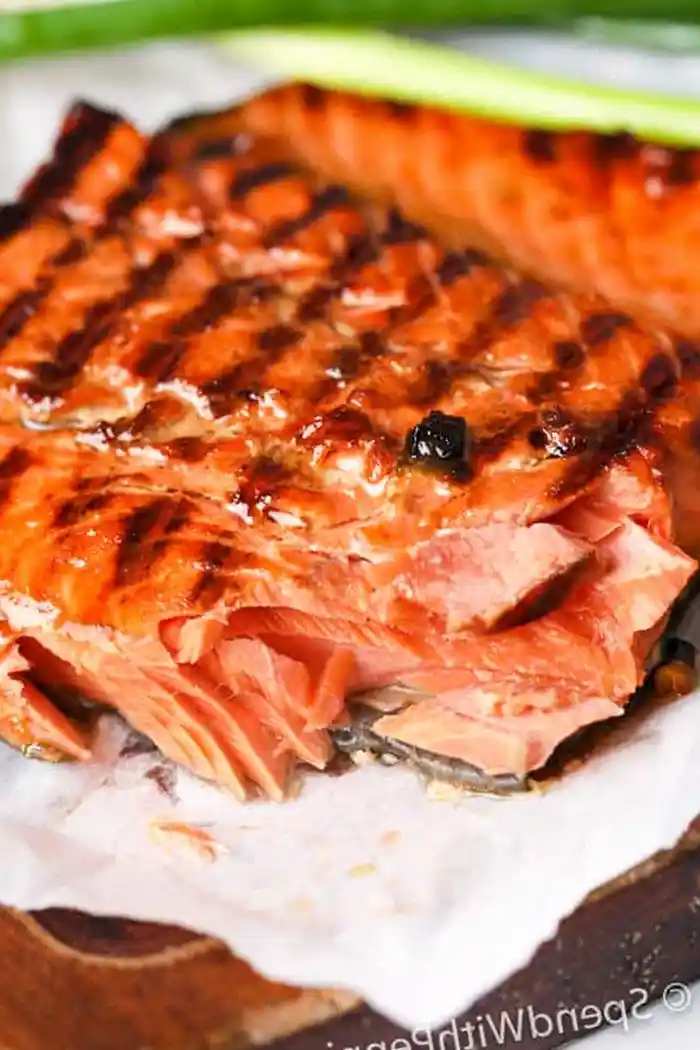
List of ingredients
- 2 pounds salmon filets – use skin-on or skinless based on preference.
- 1/4 cup soy sauce – provides saltiness and deep color.
- 1/4 cup water – balances the intensity of the soy sauce.
- 2 tablespoons toasted sesame oil – adds a nutty, aromatic depth.
- 2 tablespoons dark brown sugar – helps with caramelization and sweetness.
- 1 tablespoon grated fresh ginger – adds a bright, zesty spice.
- 1 tablespoon minced garlic – provides a pungent, savory base.
- 1 small jalapeño – seeded and finely diced, optional for mild heat.
step-by-step instructions
- Prepare the salmon: Place the salmon filets into a large ziptop bag.
- Mix the marinade: In a small mixing bowl, combine the soy sauce, water, toasted sesame oil, dark brown sugar, grated ginger, minced garlic, and diced jalapeño. Whisk the mixture thoroughly until the sugar is dissolved, then pour it over the salmon in the bag.
- Coat the fish: Seal the bag tightly and gently move the salmon fillets around to ensure the marinade covers every surface of the fish.
- Marinate: Place the bag in the refrigerator and allow the salmon to marinate for up to 45 minutes.
Cooking Method Guidelines
Grilling for a Charred Finish
Preheat your grill to medium-high heat. Place the marinated salmon fillets directly on the grates and cook for approximately 7 to 8 minutes per side. Ensure the grill is well-oiled to prevent the skin from sticking to the metal.
Baking for Even Cooking
Preheat your oven to 400°F and line a baking sheet with parchment paper or foil. Place the fillets on the sheet and bake for 12 to 15 minutes. Finish by broiling for 1 to 2 minutes until the top is opaque and slightly caramelized.
Broiling for Quick Results
Set your oven to the broil setting and place the salmon on a broiler pan. Cook the fish for 5 minutes, then carefully flip the fillets over. Broil for another 4 to 6 minutes until the outside is browned and the inside is just opaque.
Ingredient Substitutions
Substituting Honey for Brown Sugar
If you prefer a honey soy flavor profile, replace the dark brown sugar with an equal amount of honey. This swap maintains the sweetness and helps the fish caramelize beautifully during the cooking process.
Using Tamari for Gluten-Free Needs
To make this recipe gluten-free, substitute the soy sauce with tamari or coconut aminos. These alternatives provide the same salty, umami base without containing wheat.
Replacing Fresh Jalapeño with Chili Flakes
If fresh jalapeños are unavailable, use a sprinkle of red chili flakes instead. Adjust the amount based on your heat preference, as dried flakes can sometimes be more concentrated than fresh peppers.
Using Ground Ginger if Fresh is Unavailable
When fresh ginger is not on hand, you can use ground ginger powder. Use about 1/4 teaspoon of ground ginger for every tablespoon of fresh grated ginger required.
Essential Marinating Techniques
Maintaining Proper Refrigeration
Always keep salmon in the refrigerator while it marinates. Fish is highly perishable, and keeping it cold prevents bacterial growth and ensures the texture of the meat remains firm.
Using Airtight Containers or Bags
A zippered plastic bag is the most efficient tool for marinating because it allows you to push air out and force the liquid against the fish. Alternatively, use a glass airtight container and turn it occasionally to ensure full coverage.
Timing the Marination Process
Do not exceed 45 minutes of marinating time. Because salmon is a tender fish, the acids and salts in the marinade can begin to break down the proteins too much, resulting in a mushy texture.
Handling Leftover Marinade Safely
Discard any marinade that has been in contact with raw fish unless you boil it first. You may brush the leftover liquid onto the salmon during the cooking process, but never pour raw marinade over cooked fish.
Best Ways to Serve Marinated Salmon
Pairing with Grains
Serve the finished salmon over a bed of steamed jasmine rice or quinoa. The grains absorb the extra juices from the fish and complement the ginger-soy flavor profile perfectly.
Adding Fresh Vegetable Sides
Pair this dish with steamed bok choy, sautéed spinach, or roasted asparagus. These green vegetables provide a crisp contrast to the rich, buttery texture of the salmon.
Garnishing for Presentation
Add a sprinkle of toasted sesame seeds and thinly sliced green onions on top of the cooked fillets. A wedge of fresh lime or lemon on the side adds a bright acidity that cuts through the richness.
Storage and Reheating Instructions
Refrigerating Cooked Salmon
Place cooked salmon in an airtight container and store it in the refrigerator for up to 3 to 4 days. Ensure the fish is completely cooled before sealing the container to prevent excess moisture buildup.
Freezing Marinated Fillets
You can freeze salmon in the marinade bag for later use. Thaw the fish slowly in the refrigerator overnight before cooking to maintain the best texture and flavor.
Gently Reheating Fish
To reheat salmon without overcooking it, place it in a covered dish with a splash of water or broth. Heat it in the oven at 275°F until just warmed through, or microwave on medium power in short bursts.
Common Cooking Challenges
Preventing Salmon from Sticking to the Grill
Lightly coat the grill grates with a high-smoke-point oil using a paper towel. Avoid moving the fish too early; it will naturally release from the grill once a proper sear has formed.
Avoiding Overcooked Dry Salmon
Use a meat thermometer to check the internal temperature of the thickest part of the fillet. Remove the salmon from the heat when it reaches 135°F to 140°F, as carry-over cooking will bring it to the ideal 145°F.
Managing Sugar Caramelization
Because of the brown sugar, the marinade can burn if the heat is too high. If the fish is browning too quickly on the grill, move it to a cooler area of the grate to finish cooking.
Frequently Asked Questions
Can I marinate salmon overnight?
No, marinating salmon overnight is not recommended. The salt and acidity will break down the delicate fibers of the fish, making it mushy and overly salty.
What is the best internal temperature for salmon?
The USDA recommends an internal temperature of 145°F. However, many chefs prefer 130°F to 135°F for a more moist and tender result.
Do I need to pat the salmon dry before cooking?
No, you do not need to pat it dry when using a marinade. The sugars in the marinade are meant to create a glaze, and some moisture helps the heat distribute evenly.
Can I use this marinade for other fish?
Yes, this marinade works well with other firm fish like halibut, swordfish, or mahi-mahi. Adjust the marinating time to 30 minutes for thinner fillets to avoid over-curing.
Print
Ginger Garlic Salmon Marinade for Grilling, Baking, or Broiling
- Total Time: 10 minutes
- Yield: 4 servings 1x
- Diet: General
Description
Made with pantry staples this marinade is quick and easy to prepare!
Ingredients
- 2 pounds salmon filets
- ¼ cup soy sauce
- ¼ cup water
- 2 tablespoons toasted sesame oil
- 2 tablespoons dark brown sugar
- 1 tablespoon grated fresh ginger
- 1 tablespoon minced garlic
- 1 small jalapeño (seeded and finely diced, optional)
Instructions
- Step 1: Add salmon to a large ziptop bag.
- Step 2: In a small mixing bowl add soy sauce, water, sesame oil, dark brown sugar, ginger, garlic, and jalapeno pepper. Whisk to combine and pour over salmon.
- Step 3: Close the bag and gently move the salmon in the bag so the marinade is covering all the salmon.
- Step 4: Let the salmon marinate in the refrigerator for up to 45 minutes.
Notes
Salmon should always be marinated in the fridge. To Grill: medium-high for 7-8 minutes per side. To Bake: 400°F for 12-15 minutes, then broil 1-2 minutes. To Broil: 5 minutes, flip, and broil another 4-6 minutes.
- Prep Time: 10 minutes
- Cook Time: 0 minutes
- Category: Sauce
- Method: Marinating
- Cuisine: American
Nutrition
- Serving Size: 1 serving
- Calories: 347 kcal
- Sugar: 2 g
- Sodium: 352 mg
- Fat: 16 g
- Saturated Fat: 2 g
- Unsaturated Fat: 14 g
- Trans Fat: 0 g
- Carbohydrates: 2 g
- Fiber: 0 g
- Protein: 46 g
- Cholesterol: 125 mg