This quick lemon ricotta pasta with spinach provides a bright, creamy meal in under 20 minutes. It is an ideal option for a healthy weeknight dinner that requires minimal cleanup and simple ingredients.
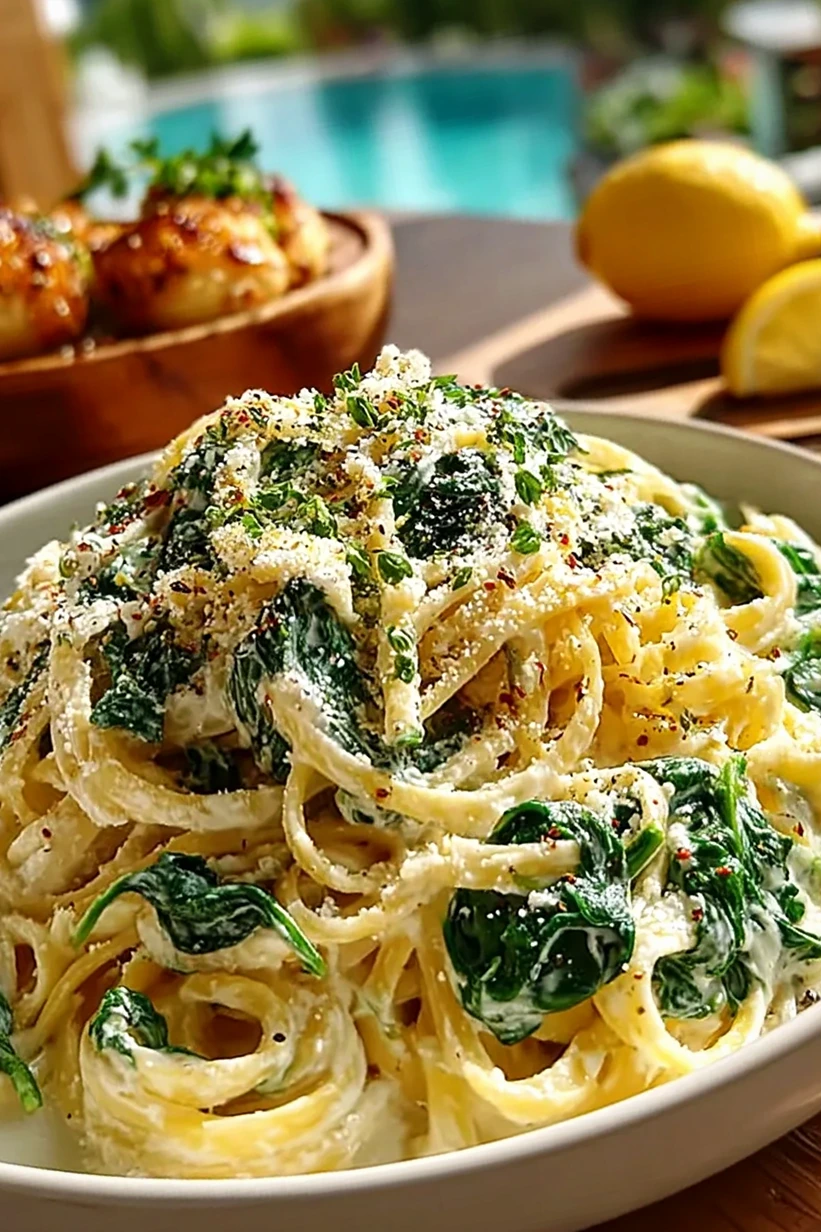
List of ingredients
- 8 oz pasta (linguine or spaghetti) – long strands hold the creamy sauce best
- 1 cup whole milk ricotta cheese – provides the rich, creamy base
- 1 lemon, zested and juiced – adds brightness and citrus acidity
- 1 clove garlic, finely grated – adds a subtle aromatic depth
- 2 cups fresh spinach – adds color and essential nutrients
- 1/2 cup reserved pasta water – helps emulsify the sauce for a silky finish
- Salt, to taste – enhances all the natural flavors
- Black pepper, to taste – adds a mild spice and warmth
- 1 tbsp olive oil (optional) – used for a glossier appearance
step-by-step instructions
- Boil the pasta: Bring a large pot of salted water to a boil. Cook pasta until al dente. Reserve 1 cup of pasta water, then drain.
- Create the sauce base: In a large bowl, mix ricotta, lemon zest, lemon juice, garlic, salt, and pepper until smooth.
- Wilt the greens: Return drained pasta to the pot. Add spinach and stir until wilted.
- Combine and emulsify: Add the hot pasta and spinach to the ricotta mixture. Toss together, adding pasta water gradually until creamy.
- Final touch: Taste and adjust seasoning. Serve warm with extra lemon zest or a drizzle of olive oil if desired.
Expert Tips for Optimal Texture
Using Whole Milk Ricotta for Richness
Whole milk ricotta provides a denser and creamier texture compared to low-fat versions. This ensures the sauce clings to the pasta effectively without separating. The higher fat content also carries the citrus notes more effectively.
Mastering the Pasta Water Emulsion
Pasta water contains starch that acts as a natural binding agent. When mixed with the ricotta and olive oil, it creates a smooth emulsion. Adding this water gradually allows you to control the thickness of the sauce precisely.
Achieving Perfect Al Dente Pasta
Cook your pasta for one minute less than the package directions suggest. Since the pasta will be tossed with hot ingredients and stirred, it continues to cook slightly. This prevents the noodles from becoming mushy.
Handling the Spinach Gently
The residual heat from the drained pasta is sufficient to wilt fresh spinach. Avoid cooking the spinach in the pot for too long to preserve its vibrant green color. Overcooked spinach can become slimy and lose its fresh taste.
Zesting Technique for Maximum Flavor
Use a fine microplane to zest only the yellow part of the lemon skin. Avoid the white pith, as it contains a bitter flavor that can overpower the dish. Zesting just before mixing ensures the oils are fresh and fragrant.
Grating Garlic for Smooth Distribution
Finely grating the garlic instead of chopping it creates a paste-like consistency. This ensures that you do not bite into large chunks of raw garlic. It allows the flavor to distribute evenly throughout the ricotta base.
Ingredient Substitutions
Swapping Long Pasta for Short Shapes
If you do not have linguine or spaghetti, fusilli or penne work well. Short, twisted shapes like fusilli are particularly good at trapping the creamy ricotta. Just be aware that the sauce may feel slightly different on shorter noodles.
Using Mascarpone as a Ricotta Alternative
Mascarpone cheese is richer and sweeter than ricotta. If you use it, reduce the amount of olive oil to keep the dish balanced. It results in a much heavier, more decadent sauce.
Replacing Ricotta with Processed Cottage Cheese
For a smoother texture using cottage cheese, blend it in a food processor first. This removes the curds and creates a consistency similar to ricotta. It is a great option for those who prefer a slightly tangier taste.
Substituting Spinach with Kale
Curly kale or Lacinato kale can replace spinach for a heartier texture. Because kale is tougher, you may need to sauté it briefly in olive oil before adding the pasta. This ensures the leaves are tender enough to eat.
Using Arugula for a Peppery Twist
Baby arugula can be stirred in at the very end of the process. Its peppery flavor complements the lemon and ricotta beautifully. Use the same method as spinach, relying on the pasta’s heat to wilt it slightly.
Replacing Fresh Garlic with Garlic Powder
If fresh garlic is unavailable, use a quarter teaspoon of garlic powder. Mix it directly into the ricotta base. While less pungent, it provides a consistent garlic flavor throughout the dish.
Flavor Variations
Adding Roasted Cherry Tomatoes
Toss in a handful of roasted cherry tomatoes for a burst of sweetness. The acidity of the tomatoes balances the creaminess of the ricotta. Roast them with olive oil and salt before adding them to the final toss.
Incorporating Sautéed Asparagus
Small pieces of sautéed asparagus add a sophisticated earthiness to the meal. Cut the asparagus into one-inch pieces and cook them in a pan until tender-crisp. Stir them in along with the spinach.
Adding Grilled Chicken for Protein
Sliced grilled chicken breast makes this a more filling dinner. Season the chicken with salt, pepper, and a hint of lemon. Mix the cooked chicken into the pasta at the final stage.
Using Chickpeas for a Plant-Based Protein
Canned chickpeas, rinsed and dried, add a nice nutty texture and protein. You can roast them for a crunch or stir them in plain. They pair exceptionally well with the lemon-garlic profile.
Enhancing the Dish with Fresh Basil
Chiffonade fresh basil leaves and stir them in at the end. Basil adds a sweet, herbal note that enhances the Italian-American flavor profile. It also adds a bright contrast to the yellow and green colors.
Adding Toasted Pine Nuts for Crunch
Toasted pine nuts provide a buttery crunch that contrasts the soft pasta. Toast them in a dry pan over medium heat until golden brown. Sprinkle them on top of the plated dish.
Serving Suggestions
Pairing with Warm Garlic Bread
Serve this pasta with toasted baguette slices rubbed with garlic and butter. The crunch of the bread complements the silky texture of the ricotta. It also helps soak up any remaining sauce on the plate.
Adding a Simple Side Salad
A light arugula or mixed greens salad with a balsamic vinaigrette is a great accompaniment. The bitterness of the greens cleanses the palate between bites of creamy pasta. Keep the salad dressing simple to avoid clashing with the lemon.
Garnishing with Grated Parmesan
While ricotta provides the creaminess, a sprinkle of aged Parmesan adds a salty depth. Use a fine grater to dust the top of each serving. This adds a professional finish and a sharper flavor.
Using Red Pepper Flakes for Heat
For those who enjoy a bit of spice, add a pinch of crushed red pepper flakes. The heat cuts through the richness of the cheese. Sprinkle them on top just before serving for visual appeal.
Storage and Reheating
Cooling and Refrigeration Process
Allow the pasta to cool slightly before transferring it to an airtight container. Store it in the back of the refrigerator where the temperature is most consistent. This dish stays fresh for up to two days.
The Best Way to Reheat Ricotta Pasta
Avoid the microwave if possible, as it can make the ricotta grainy. Reheat the pasta in a skillet over low heat. Add a tablespoon of water or milk to loosen the sauce and restore the creaminess.
Why Freezing is Not Recommended
Ricotta-based sauces tend to separate and become watery when frozen and thawed. The emulsion of the pasta water and cheese breaks down. For the best quality, consume the recipe within the recommended fridge window.
Make-Ahead Strategies
Preparing the Ricotta Mix in Advance
You can whisk the ricotta, lemon, and garlic together several hours before dinner. Keep the mixture in a sealed container in the refrigerator. This saves time during the actual cooking process.
Pre-boiling the Pasta
If you are in a rush, boil the pasta a day early and toss it in a little olive oil to prevent sticking. When ready to serve, reheat the pasta in boiling water for 30 seconds before adding the sauce.
Preparing the Spinach Base
Wash and dry your spinach thoroughly and store it in a container with a paper towel. This prevents the leaves from wilting prematurely. Having the greens ready to go ensures a seamless assembly.
Troubleshooting Common Issues
Fixing a Sauce That is Too Thick
If the sauce feels too heavy or clumpy, add more reserved pasta water one tablespoon at a time. Stir vigorously to incorporate the liquid. The starch in the water will smooth out the ricotta.
Balancing Excessive Lemon Acidity
If the lemon flavor is too sharp, stir in an extra tablespoon of ricotta. A tiny pinch of sugar can also neutralize the acidity without making the dish sweet. Taste after each adjustment.
Preventing the Ricotta from Curdling
Avoid cooking the ricotta mixture over direct high heat. The residual heat from the pasta is enough to warm the sauce. Overheating the cheese can cause it to break and lose its smoothness.
Correcting a Bland Flavor Profile
If the dish tastes flat, add a pinch more salt or a squeeze of fresh lemon juice. Salt enhances the existing flavors, while lemon adds the necessary brightness. Always taste the final product before plating.
Frequently Asked Questions
Can I use low-fat ricotta cheese?
Yes, you can use low-fat ricotta, but the sauce will be less creamy and may be thinner. To compensate, you might need slightly less pasta water. The flavor remains largely the same.
Do I really need to zest the lemon?
Zesting is highly recommended because the skin contains essential oils that provide a deeper citrus aroma. The juice provides the sourness, but the zest provides the floral lemon scent.
How much pasta water should I actually use?
Start with two tablespoons and add more as needed. The goal is to reach a glossy, coat-the-back-of-a-spoon consistency. Do not add too much, or the sauce will become a soup.
Is there a vegan alternative for this recipe?
You can substitute the ricotta with a blended mixture of soaked cashews, lemon juice, and nutritional yeast. Use a plant-based pasta to ensure the entire dish is vegan. The texture will be slightly different but still creamy.
How many calories are in one serving?
One serving contains approximately 460 calories. This varies based on the brand of ricotta and the specific pasta used. It provides a balanced mix of carbohydrates, fats, and protein.
Print
Lemon Ricotta Pasta with Spinach
- Total Time: 15 minutes
- Yield: 2 servings 1x
- Diet: Vegetarian
Description
Creamy, fresh, and bright—this Lemon Ricotta Pasta with Spinach is a quick dinner that feels gourmet. Ideal for busy nights or relaxed weekends, it blends zesty lemon with creamy ricotta and wilted spinach into a light yet satisfying dish.
Ingredients
- 8 oz pasta (linguine or spaghetti)
- 1 cup whole milk ricotta cheese
- 1 lemon, zested and juiced
- 1 clove garlic, finely grated
- 2 cups fresh spinach
- 1/2 cup reserved pasta water
- Salt, to taste
- Black pepper, to taste
- 1 tbsp olive oil (optional)
Instructions
- Step 1: Bring a large pot of salted water to a boil. Cook pasta until al dente. Reserve 1 cup of pasta water, then drain.
- Step 2: In a large bowl, mix ricotta, lemon zest, lemon juice, garlic, salt, and pepper until smooth.
- Step 3: Return drained pasta to the pot. Add spinach and stir until wilted.
- Step 4: Add the hot pasta and spinach to the ricotta mixture. Toss together, adding pasta water gradually until creamy.
- Step 5: Taste and adjust seasoning. Serve warm with extra lemon zest or a drizzle of olive oil if desired.
Notes
Use whole milk ricotta for best flavor and creaminess. Don’t overcook the spinach—let it just wilt in the heat of the pasta. Add extra lemon zest on top for more brightness when serving.
- Prep Time: 5 minutes
- Cook Time: 10 minutes
- Category: Dinner
- Method: Stovetop
- Cuisine: Italian-American
Nutrition
- Serving Size: 1 serving
- Calories: 460 kcal
- Sugar: 3 g
- Sodium: 320 mg
- Fat: 18 g
- Saturated Fat: 7 g
- Unsaturated Fat: 10 g
- Trans Fat: 0 g
- Carbohydrates: 55 g
- Fiber: 4 g
- Protein: 17 g
- Cholesterol: 35 mg