This classic lasagna combines a rich meat sauce with creamy cheese layers for a satisfying meal. It is designed to be crowd-pleasing and straightforward to assemble for any occasion.
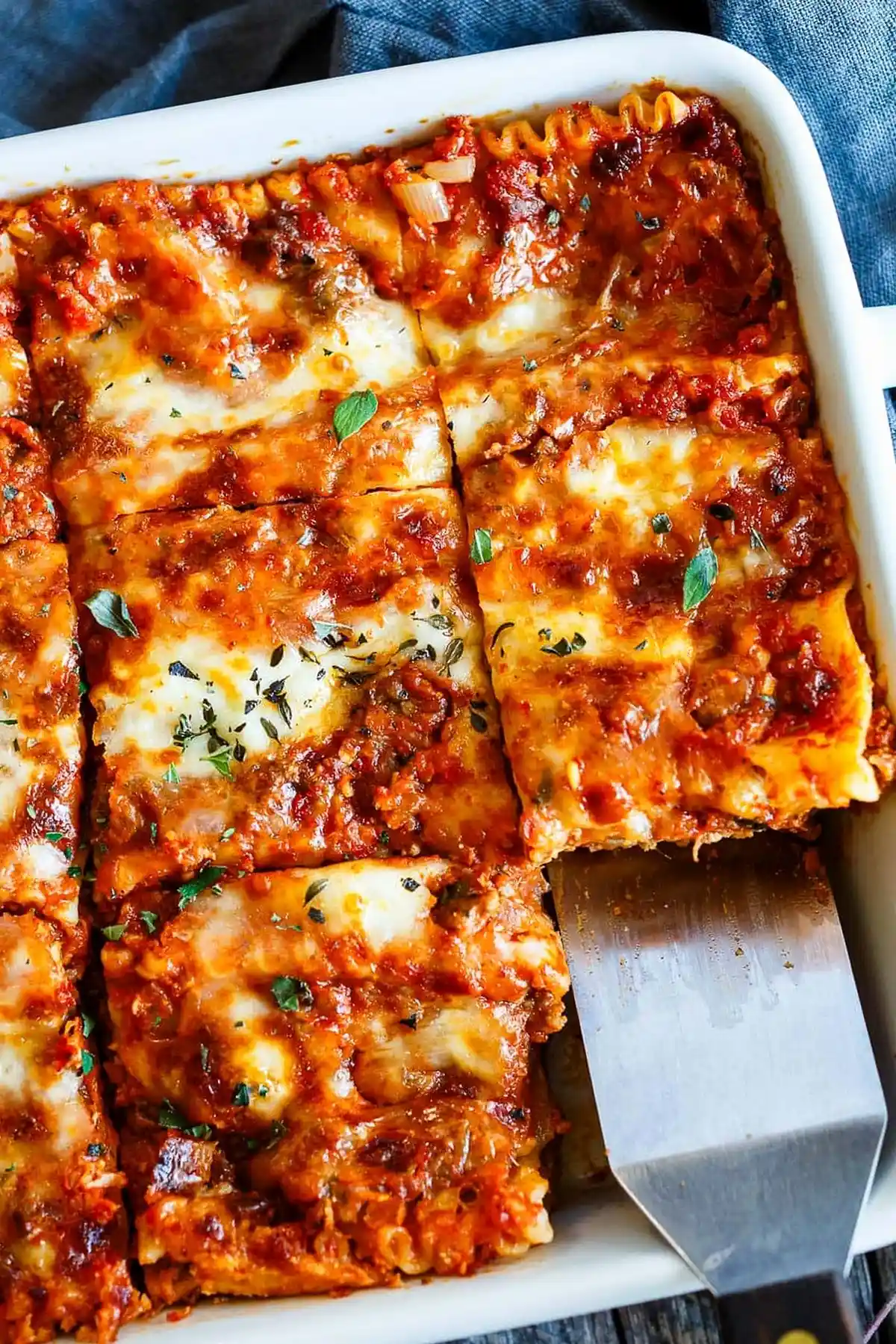
List of ingredients
- 12 oven-ready lasagna noodles – use no-cook noodles or boil regular ones until al dente.
- Fresh basil or Italian parsley – for final garnish.
- 1 tablespoon olive oil – for sautéing aromatics.
- 1 onion, diced – provides the flavor base.
- 4 garlic cloves, minced – for savory depth.
- 1 pound ground beef – used in place of the pork/beef mix for safety.
- 1 teaspoon salt – for seasoning the meat.
- 1/2 teaspoon black pepper – for basic seasoning.
- 1 teaspoon dried oregano – adds traditional Italian flavor.
- 1 teaspoon dried sage or Italian seasoning – for earthy notes.
- 1/2 teaspoon ground fennel or 1 teaspoon fennel seeds – mimics sausage flavor.
- 1/2 teaspoon smoked paprika – adds a subtle depth.
- 1/4 teaspoon red pepper flakes – optional for a hint of heat.
- 40 ounces marinara sauce (5 cups), divided – use high-quality store-bought or homemade.
- 1/4 cup broth (chicken, vegetable, or beef) – necessary for hydrating no-cook noodles.
- 15 ounces ricotta cheese – can be substituted with tofu ricotta.
- 1 egg – acts as a binder for the ricotta layer.
- 1/2 teaspoon salt – for the cheese mixture.
- 1/2 teaspoon nutmeg – adds a classic aromatic warmth.
- 1/2 teaspoon black pepper – for seasoning the ricotta.
- 3/4 cup grated parmesan or pecorino cheese, divided – adds sharp saltiness.
- 2 1/2 cups grated mozzarella cheese, divided – for melty, stretchy layers.
step-by-step instructions
- Preheat the Oven: Set your oven to 350F to ensure it is fully heated before the dish goes in.
- Brown the Meat: Sauté diced onions in olive oil over medium heat for 4 minutes until soft. Stir in minced garlic for 1 minute, then add the ground beef, salt, pepper, oregano, sage, fennel, smoked paprika, and red pepper flakes. Cook for 7-8 minutes, stirring regularly until the meat is browned.
- Simmer the Meat Sauce: Stir 3 cups of marinara sauce and the broth into the browned meat. Cover and simmer for 5 minutes, then remove from heat. Reserve the remaining 2 cups of plain marinara for the bottom and top of the pan. Tip: If the sauce is too acidic, stir in 1-2 teaspoons of sugar or honey.
- Combine the Cheese Filling: In a medium bowl, mix the ricotta, egg, salt, nutmeg, and pepper. Stir in 1 1/2 cups of mozzarella and 1/2 cup of parmesan. Keep the remaining cheese aside for the final topping.
- Layer the Base and First Tiers: Spread 1 cup of reserved marinara on the bottom of a greased 9×13 inch pan. Place 3 noodles on the sauce, spread 1/3 of the ricotta mixture, and then add 1 1/2 cups of meat sauce. Repeat this sequence two more times, pressing each layer down lightly.
- Add the Final Layer: Place the last set of noodles on top. Spread the remaining reserved marinara over the noodles, then sprinkle with the reserved parmesan and mozzarella.
- Bake the Lasagna: Cover the pan with parchment paper and then aluminum foil to prevent the foil from touching the cheese. Bake on the middle rack for 45 minutes. Remove the cover and bake for an additional 15 minutes until the cheese is golden. Optional: Broil for 3-5 minutes for a bubbly, browned crust.
- Cool and Serve: Let the lasagna rest for 15 minutes before slicing. This prevents the layers from sliding apart during serving.
Optimal Assembly Techniques
Preventing Foil Contact
Using a piece of parchment paper between the cheese and the aluminum foil is critical. This prevents the cheese from sticking to the foil and pulling away from the lasagna when you uncover it. It ensures the top layer remains intact and visually appealing.
Pressing Layers Firmly
Gently press down on each layer of ricotta and meat sauce as you build the lasagna. This minimizes air pockets and helps the noodles adhere to the filling. Firm layers result in clean, square slices that hold their shape on the plate.
Managing Sauce Distribution
Ensure the bottom of the pan has enough marinara to prevent the bottom noodles from sticking or burning. Distributing the meat sauce evenly across the ricotta layers prevents the dish from becoming too heavy in one area. This balance ensures every bite has a consistent ratio of ingredients.
Ingredient Substitutions
Using Cottage Cheese instead of Ricotta
You can replace ricotta with cottage cheese for a slightly different texture. If the cottage cheese is very watery, strain it through a fine-mesh sieve or cheesecloth first. This prevents excess moisture from making the lasagna soggy.
Tofu Ricotta for Dairy-Free Options
For a plant-based version, blend firm tofu with lemon juice, nutritional yeast, and salt until it reaches a ricotta-like consistency. Skip the egg in the cheese mixture when using tofu. Use vegan mozzarella and parmesan substitutes for the remaining cheese layers.
Alternative Ground Meats
While beef is traditional, ground turkey or ground lamb can be used for different flavor profiles. If using turkey, you may need to add a small amount of extra olive oil as turkey is leaner. Plant-based ground meat substitutes also work well with the existing spice blend.
Gluten-Free Pasta Choices
Substitute standard noodles with gluten-free lasagna sheets made from corn or brown rice. Most gluten-free noodles require boiling even if the package says oven-ready to avoid a grainy texture. Ensure they are cooked al dente so they do not overcook in the oven.
Ways to Vary the Flavor
Integrating Sautéed Spinach
Adding a layer of sautéed spinach between the ricotta and meat sauce adds color and nutrients. Squeeze all excess water from the spinach after cooking to avoid adding too much liquid. This creates a savory, earthy contrast to the rich cheese.
Adding Sautéed Mushrooms
Finely diced mushrooms sautéed with the onions add a deep umami flavor to the meat sauce. Use cremini or shiitake mushrooms for the best taste profile. This variation increases the volume of the sauce without adding significantly more meat.
Using Different Sharp Cheeses
Swap parmesan for Pecorino Romano for a saltier, sharper tang. You can also mix in a small amount of provolone or fontina for a more complex melt. Keep the mozzarella as the primary topping for the classic stretch.
Serving and Pairing Ideas
Garlic Bread Accompaniments
Serve the lasagna with toasted sourdough garlic bread to soak up the extra sauce. Rub a raw garlic clove on toasted bread and drizzle with olive oil for a simple side. This adds a crunchy texture that complements the soft pasta layers.
Fresh Green Salads
A crisp Caesar salad or a simple Italian green salad balances the richness of the cheese. Use a vinaigrette with lemon and red wine vinegar to cut through the fat of the meat and ricotta. This creates a refreshed palate between bites.
Roasted Vegetable Sides
Roasted asparagus or broccoli provide a healthy, charred accompaniment. Toss the vegetables in olive oil and salt, then roast at 400F until tender. These sides add a necessary bitterness and freshness to the meal.
Storage and Freezer Guidelines
Refrigeration Method
Store leftover lasagna in an airtight container in the refrigerator for up to 4 days. It is better to slice the lasagna into individual portions before storing them. This makes reheating more efficient and prevents the rest of the pan from being disturbed.
Freezing Unbaked Lasagna
You can assemble the lasagna and freeze it unbaked for up to 3 months. Wrap the pan tightly in plastic wrap and then aluminum foil to prevent freezer burn. Thaw the dish in the refrigerator overnight before baking as instructed.
Freezing Prepared Lasagna
Baked lasagna can be frozen in individual slices wrapped in foil. Thaw the slices completely in the fridge before reheating. This is an excellent method for meal prepping weekday dinners.
Reheating Instructions
Oven Reheating for Texture
To maintain the best texture, reheat slices in the oven at 325F. Cover the dish with foil to keep the moisture inside and prevent the cheese from drying out. Heat until the center is bubbling and hot.
Microwave Reheating for Speed
For a quick reheat, place a slice in a microwave-safe dish and add a teaspoon of water to the side. Cover with a damp paper towel to steam the noodles. Heat in 1-minute intervals until warmed through.
Planning and Make-Ahead Advice
Staged Preparation Timeline
Break the prep work over three days to reduce stress. Make the marinara sauce three days before, the meat sauce two days before, and the cheese mixture one day before. On the final day, you only need to assemble and bake.
Assembling in Advance
The lasagna can be fully assembled up to two days before baking. Store it in the refrigerator, but allow it to sit at room temperature for 30 minutes before putting it in the oven. Add approximately 10 minutes to the covered baking time to ensure the center is hot.
Common Cooking Issues and Solutions
Preventing Watery Lasagna
If your lasagna is too watery, it is often due to excess moisture in the ricotta or vegetables. Strain the ricotta through a sieve if it seems loose. Always cook down the meat sauce until it is thick and concentrated before layering.
Fixing Acidic Sauce
If the marinara tastes too sharp or acidic, it is usually due to the type of tomatoes used. Stir in 1 to 2 teaspoons of honey or granulated sugar to neutralize the acid. This creates a smoother, more rounded flavor profile.
Avoiding Burnt Cheese Top
If the cheese browns too quickly before the center is hot, check your oven rack position. Ensure the pan is on the middle rack. If the top is already golden but the center is cold, cover it back up with foil for the remaining time.
Frequently Asked Questions
What is the correct order to layer lasagna?
Start with a thin layer of marinara on the bottom, then add noodles, the ricotta mixture, and the meat sauce. Repeat this sequence three times, ending with a final layer of noodles, marinara, and a blend of mozzarella and parmesan.
How is lasagna made in Italy?
In southern Italy, it often uses dried pasta sheets with ricotta and mozzarella. In northern Italy, fresh egg pasta is more common, often colored green with spinach and layered with bechamel sauce instead of ricotta.
What is the difference between lasagne and lasagna?
Lasagna is technically the term for a single sheet of pasta. Lasagne is the plural form and is the traditional Italian name for the layered dish as a whole.
Does lasagna have 2 or 3 layers?
While it varies by region and preference, 3 to 4 layers are standard. This recipe uses 3 main tiers of filling to achieve a balanced ratio of pasta to sauce and cheese.
What do Italians use instead of ricotta in lasagna?
While ricotta is used in the south, many traditional Italian recipes use a creamy bechamel sauce. Bechamel is a white sauce made from a roux of butter and flour mixed with milk.
Do you bake lasagna covered or uncovered?
Bake the lasagna covered for the first 45 minutes to steam the noodles and cook the interior. Uncover for the final 15 minutes to brown the cheese and evaporate excess surface moisture.
Print
Easy Homemade Lasagna Recipe
- Total Time: 1 hour 25 minutes
- Yield: 12 pieces 1x
- Diet: General
Description
This classic lasagna recipe is absolutly delectable! Made with a rich tomato-meat sauce, three kinds of cheeses, and savory Italian spices, it’s easy to make and always a crowd-pleaser.
Ingredients
- 12 lasagna noodles (oven-ready or boiled to al dente)
- fresh basil or Italian parsley for garnish
- 1 tablespoon olive oil
- 1 onion, diced
- 4 garlic cloves, minced
- 1/2 pound ground beef
- 1/2 pound ground beef (substitute for pork)
- 1 teaspoon salt
- 1/2 teaspoon black pepper
- 1 teaspoon dried oregano
- 1 teaspoon dried sage
- 1/2 teaspoon ground fennel
- 1/2 teaspoon smoked paprika
- 1/4 teaspoon red pepper flakes (optional)
- 40 ounces marinara sauce, divided
- 1/4 cup vegetable broth
- 15 ounces ricotta cheese
- 1 egg
- 1/2 teaspoon salt
- 1/2 teaspoon nutmeg
- 1/2 teaspoon black pepper
- 3/4 cup grated parmesan cheese, divided
- 2 1/2 cups grated mozzarella cheese, divided
Instructions
- Step: Set the oven to 350F.
- Step: Saute onions in olive oil over medium heat until softened, 4 minutes. Add garlic and stir for a minute.
- Step: Add ground beef, salt, pepper, oregano, sage, fennel, smoked paprika, and red pepper flakes. Stir for 7-8 minutes until browned.
- Step: Add 3 cups of marinara sauce and the broth to the meat. Cover, simmer five minutes and remove from heat.
- Step: In a medium bowl, mix ricotta, egg, salt, nutmeg, and pepper. Stir in 1 1/2 cups mozzarella and 1/2 cup parmesan.
- Step: Spread one cup of reserved marinara on the bottom of a greased 9 x 13 pan.
- Step: Place 3 lasagna noodles on top, spread 1/3 of the ricotta mixture, then spread 1 1/2 cups of meat sauce. Repeat this sequence 2 more times.
- Step: Place final lasagna noodles, spread remaining reserved marinara, and sprinkle with remaining parmesan and mozzarella.
- Step: Cover with parchment paper and aluminum foil. Bake for 45 minutes.
- Step: Uncover and bake for 15 more minutes until golden. Optional: Broil for 3-5 minutes.
- Step: Let the lasagna rest for 15 minutes before slicing.
Notes
Prep the lasagna in stages: make marinara 3 days ahead, meat sauce 2 days ahead, and cheese mixture 1 day ahead. If using cottage cheese instead of ricotta, strain it first.
- Prep Time: 30 minutes
- Cook Time: 55 minutes
- Category: main
- Method: Baking
- Cuisine: Italian-American
Nutrition
- Serving Size: 1 piece
- Calories: 363 kcal
- Sugar: 7.5 g
- Sodium: 506.4 mg
- Fat: 12.6 g
- Saturated Fat: 5.9 g
- Unsaturated Fat: 6.7 g
- Trans Fat: 0 g
- Carbohydrates: 34.2 g
- Fiber: 5.3 g
- Protein: 26 g
- Cholesterol: 68.5 mg