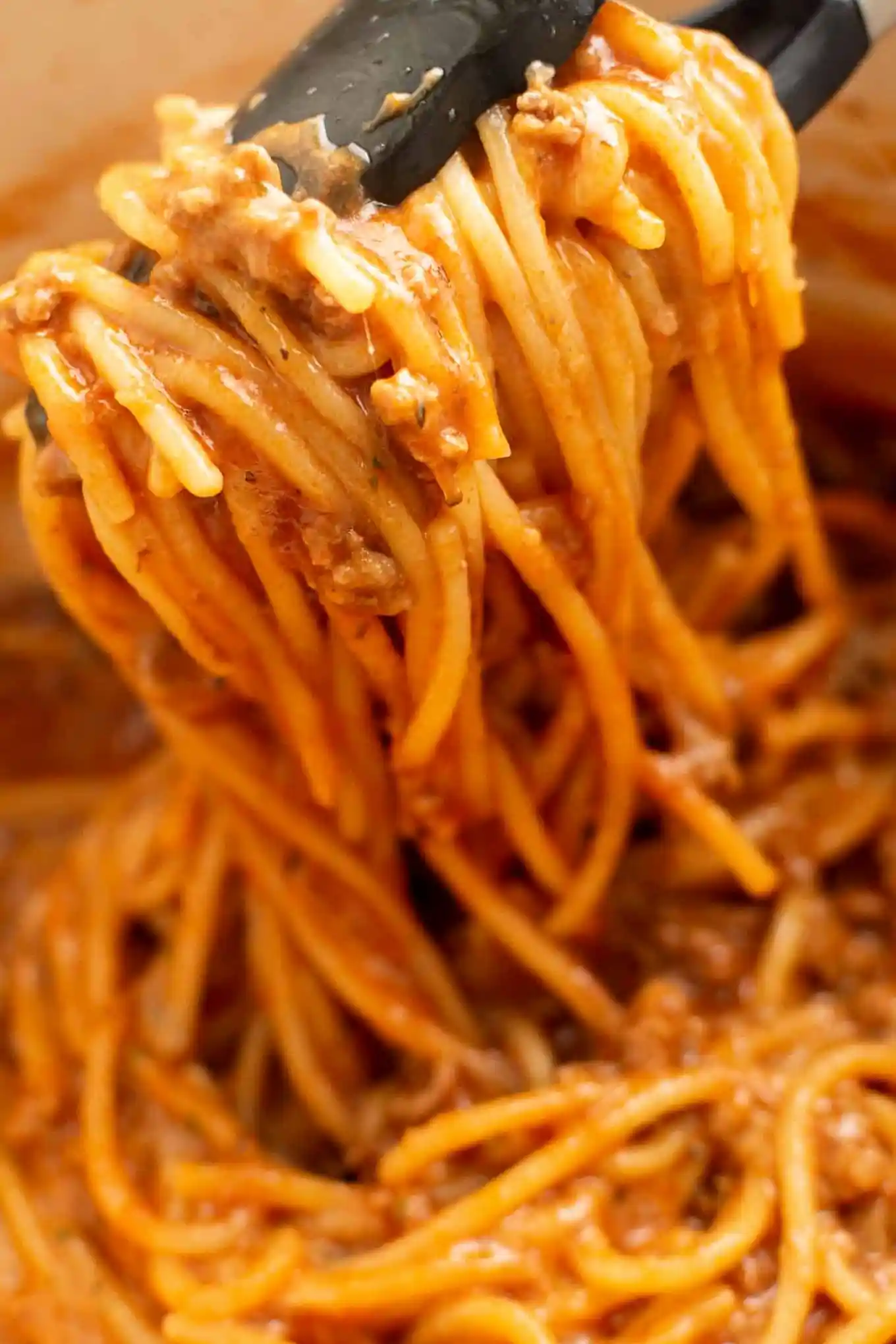
This efficient one-pot meal combines savory ground beef and tender spaghetti in a rich tomato sauce. It is designed for minimal cleanup and fast preparation on busy weeknights.
List of ingredients
- 1 pound lean ground beef – provides the protein base.
- 2 tablespoons tomato paste – adds concentrated tomato flavor.
- 3-4 cloves garlic, minced – adds aromatic depth.
- 1 teaspoon onion powder – for a savory, rounded taste.
- 1 teaspoon sugar – balances the acidity of the tomatoes.
- 1/2 teaspoon dried oregano – adds an earthy Italian note.
- 1/2 teaspoon Italian seasoning – a blend of classic herbs.
- 1/2 teaspoon salt – adjust based on the saltiness of your broth.
- 1 pinch crushed red pepper flakes (optional) – for a hint of warmth.
- 3 cups beef broth – the cooking liquid for the pasta.
- 1 (15 ounce) can crushed tomatoes – creates the sauce body.
- 8 ounces uncooked spaghetti – approximately half a standard box.
- 1 cup shredded mozzarella – for a melty, cheesy finish.
- Pepper (optional, to taste) – for basic seasoning.
- Freshly grated parmesan cheese (optional) – for serving and topping.
step-by-step instructions
- Brown the Beef: Place ground beef in a soup pot or Dutch oven over medium-high heat. Cook for 7-8 minutes, breaking the meat into small pieces with a spoon, then spoon out excess fat if necessary.
- Sauté Aromatics: Stir in the tomato paste and minced garlic. Cook for about one minute until the mixture becomes fragrant.
- Add Seasoning: Mix in the onion powder, sugar, oregano, Italian seasoning, salt, and crushed red pepper flakes.
- Create the Liquid Base: Pour in the beef broth and crushed tomatoes. Increase the heat to high to bring the liquid to a boil.
- Cook the Pasta: Once boiling, add the uncooked spaghetti. Cook for 12 minutes without a lid, stirring occasionally to prevent sticking. Lower the heat to medium or medium-low to maintain a steady simmer rather than a violent boil.
- Melt the Cheese: Turn off the burner but keep the pot on the heat. Sprinkle shredded mozzarella over the top and cover with a lid for 5 minutes to melt the cheese and allow the sauce to thicken.
- Finish and Serve: Gently toss the pasta to incorporate the melted mozzarella. Season with pepper and extra salt if desired, and serve immediately with grated parmesan.
Optimizing One Pot Pasta Techniques
Managing Starch for Sauce Thickness
Cooking the spaghetti directly in the beef broth and tomato mixture allows the pasta to release starch into the liquid. This starch acts as a natural thickening agent, creating a silky, cohesive sauce that clings to the noodles. Unlike traditional boiling where starch is drained away, this method enhances the richness of the dish.
Controlling the Simmer
Maintaining a steady simmer is critical to ensure the pasta cooks evenly without burning the bottom of the pot. If the liquid evaporates too quickly, the noodles will remain hard. Use a medium-low heat setting once the initial boil is reached to keep the bubbles consistent but gentle.
Preventing Pasta Clumping
Stirring the spaghetti occasionally during the 12-minute cooking window is essential. Because the sauce is thicker than plain water, the noodles are more likely to stick together. Use tongs to lift and rotate the pasta every few minutes to ensure separate strands.
Maximizing Beef Flavor
Browning the ground beef thoroughly before adding liquids creates a Maillard reaction, which deepens the flavor of the meat. Avoid crowding the pan if you are using a smaller pot to ensure the meat sears rather than steams. Spooning out excess fat prevents the final sauce from becoming overly greasy.
Ingredient Customization and Substitutions
Choosing Different Meat Proteins
While lean ground beef is the standard, ground turkey or ground chicken can be used for a leaner alternative. If using poultry, you may need to add a tablespoon of olive oil to the pot first since these meats have less natural fat for browning. Ensure the beef broth is maintained to keep the deep savory profile.
Alternative Cheese Options
Mozzarella provides the best stretch and melt, but provolone or a mild Monterey Jack can be used similarly. For a sharper taste, mix in a small amount of sharp white cheddar. Always add the cheese at the very end to avoid separating the fats from the proteins.
Tomato Product Variations
Crushed tomatoes provide a chunky yet smooth texture that is ideal for this dish. If using tomato sauce or passata, be aware that these are more liquid and may require an extra minute or two of simmering to reach the desired thickness. Diced tomatoes will result in a more rustic, textured sauce.
Adjusting Herb Profiles
If you prefer a more robust herb flavor, increase the Italian seasoning to a full teaspoon. Fresh basil or parsley can be stirred in at the very end for a bright, fresh contrast to the cooked herbs. Dried oregano is essential for that classic pizzeria aroma.
Serving Suggestions and Pairings
Complementary Bread Options
Serving this spaghetti with toasted garlic bread or cheesy garlic knots helps soak up the remaining sauce. A crusty baguette brushed with butter, minced garlic, and parsley is a simple addition. Warm the bread in the oven while the pasta is resting under the lid.
Fresh Salad Pairings
A crisp Caesar salad with a lemon-based dressing provides a sharp acidity that cuts through the richness of the cheese and beef. A simple garden salad with balsamic vinaigrette also works well. These greens balance the meal and add necessary nutritional variety.
Garnish and Finishing Touches
Freshly grated parmesan cheese adds a salty, nutty finish that complements the melted mozzarella. A sprinkle of fresh chopped parsley or a few basil leaves adds visual appeal and a fresh scent. A light dusting of extra red pepper flakes can be added for those who prefer more heat.
Storage and Reheating Guidance
Refrigeration Best Practices
Store leftover spaghetti in an airtight container in the refrigerator for up to three days. Be mindful that the pasta will continue to absorb the sauce as it sits, which may make the dish appear drier the next day. To prevent this, ensure the container is sealed tightly to maintain moisture.
Reheating for Best Texture
When reheating, add a splash of beef broth or water to the pasta before microwaving or heating on the stove. This replenishes the moisture lost during storage and loosens the cheese. Heat on medium power to avoid overcooking the noodles or breaking the sauce.
Freezing Considerations
Freezing this specific dish is not recommended due to the mozzarella and the nature of cooked spaghetti. The cheese can become grainy upon thawing, and the pasta often loses its structure, becoming mushy. It is best enjoyed fresh or from the refrigerator.
Troubleshooting Common Issues
Fixing Too Much Liquid
If the 12-minute mark arrives and there is still too much sauce, keep the pot uncovered and simmer for an additional 2-3 minutes. The liquid will reduce quickly once the pasta has absorbed most of the broth. Avoid covering the pot during this phase to allow steam to escape.
Addressing Underdone Pasta
If the liquid is gone but the spaghetti is still too firm, add another 1/4 cup of beef broth. Cover the pot and let it simmer on low for a few more minutes. This creates a steaming environment that finishes the cooking process without burning the sauce.
Correcting Over-Salted Sauce
Since beef broth and parmesan are both salty, it is easy to over-season the dish. If the sauce tastes too salty, add a small amount of unsalted crushed tomatoes or a pinch more sugar. This helps neutralize the saltiness without altering the flavor profile significantly.
Managing Burnt Bottoms
If you notice the sauce sticking to the bottom of the pot, your heat is too high. Immediately lower the temperature and stir the pasta from the bottom up. If small burnt bits have formed, carefully transfer the pasta to a new pot, leaving the burnt residue behind.
Frequently Asked Questions
Can I use a different type of pasta?
Yes, you can use other shapes like rotini, penne, or bow-tie pasta. However, different shapes have different cooking times and surface areas, so you may need to adjust the simmering time and the amount of beef broth to ensure the pasta is cooked through.
Is the sugar necessary in the recipe?
The sugar is used to balance the natural acidity of the canned tomatoes and tomato paste. It does not make the dish sweet, but rather rounds out the flavor of the sauce. If you prefer a more tart sauce, you can omit it.
Can I use a slow cooker for this?
This specific recipe is designed for a stovetop pot to ensure the pasta is cooked al dente. Slow cookers often overcook pasta, turning it mushy. For a Crockpot version, you would need to significantly reduce the liquid and add the pasta much later in the process.
What is the best beef fat percentage to use?
Lean ground beef (90% lean or higher) is recommended to prevent the sauce from becoming too oily. If using 80/20 beef, it is imperative to brown the meat and drain the excess fat thoroughly before adding the tomato paste and garlic.
} Print
Cheesy One Pot Beef Spaghetti
- Total Time: 30 minutes
- Yield: 4 servings 1x
- Diet: General
Description
This super easy one pot spaghetti recipe is ready in just 30 minutes, and cleanup is minimal! The meaty tomato sauce with herbs and mozzarella is comforting and flavorful.
Ingredients
- 1 pound lean ground beef
- 2 tablespoons tomato paste
- 3–4 cloves garlic (minced)
- 1 teaspoon onion powder
- 1 teaspoon sugar
- 1/2 teaspoon dried oregano
- 1/2 teaspoon Italian seasoning
- 1/2 teaspoon salt
- 1 pinch crushed red pepper flakes (optional)
- 3 cups beef broth
- 1 (15 ounce) can crushed tomatoes
- 8 ounces uncooked spaghetti
- 1 cup shredded mozzarella
- Pepper (optional, to taste)
- Freshly grated parmesan cheese (optional, for serving)
Instructions
- Step: Add the ground beef to a soup pot/Dutch oven over medium-high heat, and cook until just browned, breaking it up with your spoon as you go along (about 7-8 minutes). Spoon out excess fat if needed.
- Step: Stir in the tomato paste and garlic, and cook for about a minute.
- Step: Stir in the onion powder, sugar, oregano, Italian seasoning, salt, and crushed red pepper flakes.
- Step: Add the beef broth and crushed tomatoes to the pot, and increase the heat to high.
- Step: Once boiling, add in the spaghetti and cook for 12 minutes, uncovered, stirring occasionally. You will need to turn the heat down at some point to maintain a constant simmer (medium or even medium-low) so it’s bubbling steadily but not furiously boiling.
- Step: Turn the burner off (leave the pot on it). Sprinkle the mozzarella over top and close the lid for 5 minutes or until the cheese melts and more of the liquid absorbs.
- Step: Gently toss it so the mozzarella is incorporated, and season with pepper and some extra salt if needed. Serve immediately with freshly grated parm if desired.
Notes
As every pot/stove varies, cooking times are a guideline. If the pasta isn’t quite cooked yet and the liquid is getting too low, add a splash more beef broth. If using regular table salt rather than sea salt or kosher salt, you may want to add slightly less.
- Prep Time: 10 minutes
- Cook Time: 20 minutes
- Category: Main Course
- Method: One Pot
- Cuisine: American
Nutrition
- Serving Size: 1 serving
- Calories: 513 kcal
- Sugar: 9 g
- Sodium: 1419 mg
- Fat: 14 g
- Saturated Fat: 7 g
- Unsaturated Fat: 6 g
- Trans Fat: 0.4 g
- Carbohydrates: 55 g
- Fiber: 5 g
- Protein: 42 g
- Cholesterol: 92 mg