These plain lo mein noodles offer a glossy, savory base that works perfectly as a standalone side or a foundation for other ingredients. This quick recipe delivers restaurant-style results using common pantry staples in under twenty minutes.
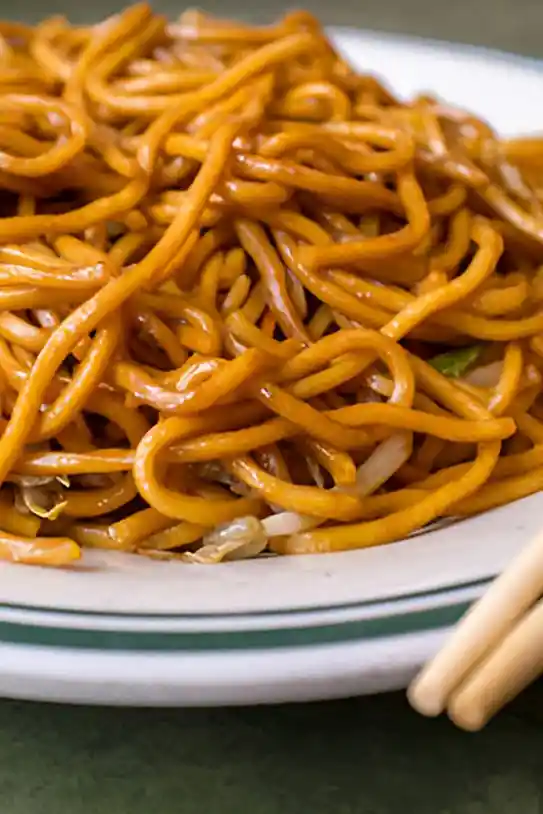
List of ingredients
- 2 tablespoons vegetable oil – used for sautéing the noodles.
- 8 oz (225g) lo mein noodles or spaghetti – the primary base of the dish.
- 2 tablespoons soy sauce – provides the salty, umami flavor.
- 1 tablespoon oyster sauce – adds thickness and a rich savory depth.
- 2 tablespoons sesame oil – divided; one for coating and one for the sauce.
- 1 teaspoon sugar – balances the saltiness of the soy sauce.
- 1 teaspoon minced garlic – provides a sharp aromatic base.
- 1/2 teaspoon grated ginger – adds a warm, zesty undertone.
- Optional: chopped green onions or sesame seeds – for final garnish and texture.
step-by-step instructions
- Prepare the noodles: Boil lo mein noodles or spaghetti in a pot of salted water according to package directions. Cook until just al dente to maintain a firm bite. Drain the noodles and rinse them under cold water immediately to stop the cooking process. Toss the cooled noodles with 1 tablespoon of sesame oil to prevent sticking.
- Mix the sauce: In a small bowl, combine soy sauce, oyster sauce, sugar, minced garlic, grated ginger, and the remaining 1 tablespoon of sesame oil. Whisk the mixture until the sugar is completely dissolved. Set the sauce aside.
- Sauté the noodles: Heat vegetable oil in a large skillet or wok over medium heat until it shimmers. Add the prepared noodles and stir-fry for 2 to 3 minutes. This allows the noodles to warm through and develop slight crispness in some areas.
- Combine and coat: Pour the prepared sauce over the noodles in the skillet. Use tongs or a spatula to toss the noodles continuously for 2 minutes. Ensure every strand is evenly coated and the sauce has thickened.
- Final touch: Remove the skillet from the heat and transfer the noodles to a serving plate. Garnish with chopped green onions or sesame seeds if desired. Serve the dish immediately while hot.
Noodle Selection Guide
Using Fresh Lo Mein Noodles
Fresh lo mein noodles are often available at Asian grocery stores and offer a softer, more authentic texture. They cook much faster than dried versions, so monitor them closely to avoid overcooking. Always rinse them briefly to remove excess surface starch.
Substituting with Dried Spaghetti
Spaghetti is an excellent alternative when specialty noodles are unavailable. Its firm structure holds up well during the stir-frying process. Ensure you cook it slightly under the package instructions to maintain the al dente texture.
Adapting for Rice Noodles
For a gluten-free alternative, use wide rice noodles. Soak them in hot water according to the package rather than boiling them vigorously. Be gentle when tossing them in the wok as rice noodles can break more easily than wheat noodles.
Utilizing Instant Noodles
Instant ramen noodles can work in a pinch for a quick meal. Discard the flavor packets to avoid overpowering the homemade sauce. Boil them for only 2 minutes so they remain firm during the sautéing phase.
Sauce Customization Tips
Reducing the Sodium Content
To lower the salt level, replace regular soy sauce with a low-sodium version. You can also dilute the oyster sauce with a small amount of water or vegetable broth. This maintains the volume of the sauce without increasing the salt intake.
Enhancing Sweetness with Honey
If you prefer a glazier, sweeter finish, replace the sugar with honey or maple syrup. These liquid sweeteners blend more seamlessly into the sauce. They also add a subtle floral note that complements the ginger.
Adding a Spicy Kick
Incorporate a teaspoon of sriracha or chili garlic sauce into the sauce mixture for heat. Alternatively, stir in a pinch of red pepper flakes during the sautéing process. This creates a balanced heat that cuts through the richness of the sesame oil.
Creating a Vegan Sauce
Substitute the oyster sauce with a mushroom-based vegetarian stir-fry sauce. This provides the same thick consistency and umami flavor without using animal products. Ensure the mushroom sauce has a similar salt profile.
Advanced Cooking Techniques
Mastering the Al Dente Texture
Cooking noodles until they are just under-done is crucial for stir-frying. If noodles are fully cooked in the water, they will become mushy when they hit the hot oil. Aim for a slight resistance in the center of the noodle.
The Purpose of Cold Water Rinsing
Rinsing noodles under cold water removes excess starch from the surface. This prevents the noodles from clumping together into a mass. It also halts the cooking process instantly, preserving the structural integrity of the pasta.
Preventing Sticking with Sesame Oil
Tossing cooked noodles in oil creates a protective barrier between the strands. This is especially important if you are preparing the noodles ahead of time. It ensures the noodles slide easily in the wok and coat evenly in the sauce.
Maintaining High Wok Heat
A shimmering oil indicates the pan is hot enough to sear the noodles. High heat allows for a quick stir-fry, which gives the noodles a slightly toasted flavor. Avoid crowding the pan to ensure the heat remains consistent.
Effective Tossing Methods
Use long tongs or a wide spatula to lift and flip the noodles. This ensures the sauce is distributed from the bottom of the pan to the top. Constant movement prevents the sugar in the sauce from burning against the pan surface.
Protein Addition Ideas
Sautéing Sliced Chicken Breast
Cut chicken breast into thin strips and sauté them in the vegetable oil before adding the noodles. Cook until golden brown and fully cooked through. Remove the chicken, cook the noodles, and then toss the chicken back in at the end.
Preparing Fresh Shrimp
Peeled and deveined shrimp cook very quickly. Sauté them for 1-2 minutes per side until they turn pink. Set them aside and add them back to the pan during the final minute of sauce reduction.
Adding Crispy Tofu Cubes
Press extra-firm tofu to remove moisture, then cut into small cubes. Pan-fry them until all sides are golden and crisp. Mix them in with the noodles just before serving to maintain their texture.
Using Lean Beef Strips
Slice flank steak or sirloin against the grain into thin strips. Sear them on high heat for a short time to keep them tender. Stir them into the noodles along with the sauce for a hearty meal.
Vegetable Integration
Incorporating Cruciferous Vegetables
Broccoli florets, snap peas, and cauliflower add a great crunch. Sauté these in the oil before the noodles for 3-4 minutes. Add a splash of water if they need more time to soften without burning.
Adding Crunchy Root Vegetables
Julienned carrots and sliced bell peppers provide color and sweetness. Stir-fry them until they are tender-crisp. These vegetables pair exceptionally well with the ginger and garlic in the sauce.
Using Leafy Greens
Bok choy or baby spinach can be added at the very end of the cooking process. The heat from the noodles is usually enough to wilt these greens. This keeps them vibrant and prevents overcooking.
Adding Aromatic Alliums
Sliced onions or shallots can be sautéed at the beginning of the process. They create a fragrant base that enhances the depth of the garlic. Sauté until translucent before adding the noodles.
Serving and Pairing Suggestions
Complementary Side Dishes
Pair these noodles with a side of steamed edamame for extra protein. A fresh cucumber salad with rice vinegar also provides a cooling contrast. These sides balance the savory intensity of the lo mein.
Light Soup Pairings
A bowl of clear vegetable broth or a mild miso soup is a traditional accompaniment. The liquid helps cleanse the palate between bites of the rich, oily noodles. Keep the soup seasoning light to avoid over-salting the meal.
Refreshing Beverage Options
Iced green tea or a citrus-infused water works well with this flavor profile. The acidity in lemon or lime helps cut through the richness of the sesame oil. Avoid overly sweet drinks that might clash with the soy sauce.
Plating and Presentation
Use a carving fork to twirl the noodles into a high mound on the plate. Sprinkle sesame seeds and sliced green onions over the top for visual contrast. A side of chili oil in a small dish allows guests to customize their heat level.
Storage and Preservation
Refrigeration Guidelines
Place leftover noodles in an airtight container and store them in the fridge. They will remain fresh for up to three days. Ensure the noodles are completely cooled before sealing the lid to prevent condensation.
Freezing Potential
Lo mein noodles do not freeze well as the texture becomes grainy and mushy upon thawing. It is better to freeze the sauce components separately if making in bulk. Thaw the sauce and toss with fresh noodles for the best result.
Airtight Container Choice
Use glass containers to prevent the noodles from absorbing odors from other foods in the fridge. A tight seal is essential to keep the noodles from drying out. This preserves the glossy finish of the sauce.
Reheating Methods
Skillet Reheating for Texture
Heat a small amount of oil in a skillet over medium heat. Add the noodles and toss them for 2-3 minutes until heated through. This method restores the slightly crisp edges and the glossy sauce texture.
Microwave Quick-Heat
Place noodles in a microwave-safe bowl and sprinkle with a teaspoon of water. Cover the bowl with a damp paper towel to trap steam. Heat in 30-second intervals, stirring in between to avoid hot spots.
Adding Moisture During Reheat
If the noodles seem dry after storage, add a teaspoon of soy sauce or water during reheating. This loosens the starches and restores the sauce’s fluidity. Avoid adding too much oil, as it can make the dish greasy.
Troubleshooting Common Issues
Dealing with Mushy Noodles
If the noodles are too soft, you likely overcooked them during the boiling phase. To fix this, reduce the stir-fry time in the wok. Next time, drain them one minute earlier than the package suggests.
Correcting Overly Salty Sauce
If the dish tastes too salty, add a small amount of sugar or a squeeze of lime juice. The acidity or sweetness helps neutralize the saltiness. You can also stir in some steamed unsalted vegetables to dilute the flavor.
Fixing Dry Noodles
Dry noodles occur when the sauce is absorbed too quickly or the heat is too high. Stir in a tablespoon of water or vegetable broth while reheating. This re-emulsifies the sauce and coats the strands properly.
Preventing Sauce Separation
Sauce separation happens if the heat is too low to thicken the sugar and oyster sauce. Ensure the pan is hot before pouring in the sauce. Toss vigorously to bind the oil and water-based ingredients together.
Frequently Asked Questions
Can I use coconut aminos instead of soy sauce?
Yes, coconut aminos are a great soy-free alternative. They are naturally sweeter and lower in sodium, so you may need to reduce the added sugar in the recipe to maintain balance.
How can I store the sauce separately?
Whisk all sauce ingredients and store them in a jar in the refrigerator for up to one week. Simply pour the chilled sauce into the hot pan after the noodles have been sautéed.
What is the best pan for this recipe?
A carbon steel wok is ideal for high-heat stir-frying. However, a large non-stick skillet or a stainless steel pan works perfectly well for home cooks.
Can I make this dish gluten-free?
Yes, use gluten-free soy sauce (Tamari) and a gluten-free certified oyster sauce. Swap the wheat noodles for rice noodles or gluten-free spaghetti to make the entire dish safe.
Print
Simple Savory Lo Mein Noodles
- Total Time: 20 minutes
- Yield: 4 servings 1x
- Diet: General
Description
Dive into the irresistible flavors of plain lo mein noodles, where a savory sauce meets perfectly stir-fried noodles for a quick and satisfying dish.
Ingredients
- 2 tablespoons vegetable oil
- 8 oz lo mein noodles or spaghetti
- 2 tablespoons soy sauce
- 1 tablespoon oyster sauce
- 2 tablespoons sesame oil
- 1 teaspoon sugar
- 1 teaspoon minced garlic
- 1/2 teaspoon grated ginger
- Chopped green onions or sesame seeds for garnish (optional)
Instructions
- Step: Boil the lo mein noodles or spaghetti in a pot of salted water according to the package instructions until al dente, then drain, rinse under cold water, and toss with 1 tablespoon of sesame oil.
- Step: In a small mixing bowl, combine soy sauce, oyster sauce, sugar, garlic, ginger, and the remaining tablespoon of sesame oil, whisking until the sugar is dissolved.
- Step: Heat vegetable oil in a large skillet or wok over medium heat, add the noodles, and stir-fry for 2 to 3 minutes.
- Step: Pour the pre-mixed sauce over the noodles and toss to coat, cooking for an additional 2 minutes.
- Step: Remove from heat, transfer to a serving dish, and garnish with chopped green onions or sesame seeds if desired.
Notes
For a less salty profile, use low-sodium soy sauce. The sauce can be prepared a day in advance and stored in the refrigerator to save time.
- Prep Time: 10 minutes
- Cook Time: 10 minutes
- Category: Main Course
- Method: Stir-frying
- Cuisine: American
Nutrition
- Serving Size: 1 serving
- Calories: 320 kcal
- Sugar: 4 g
- Sodium: 850 mg
- Fat: 14 g
- Saturated Fat: 2 g
- Unsaturated Fat: 12 g
- Trans Fat: 0 g
- Carbohydrates: 38 g
- Fiber: 2 g
- Protein: 9 g
- Cholesterol: 0 mg