This rich baked pasta dish combines savory meat sauce with a creamy cheese center for a hearty meal. It is an ideal choice for family gatherings or comforting dinners.
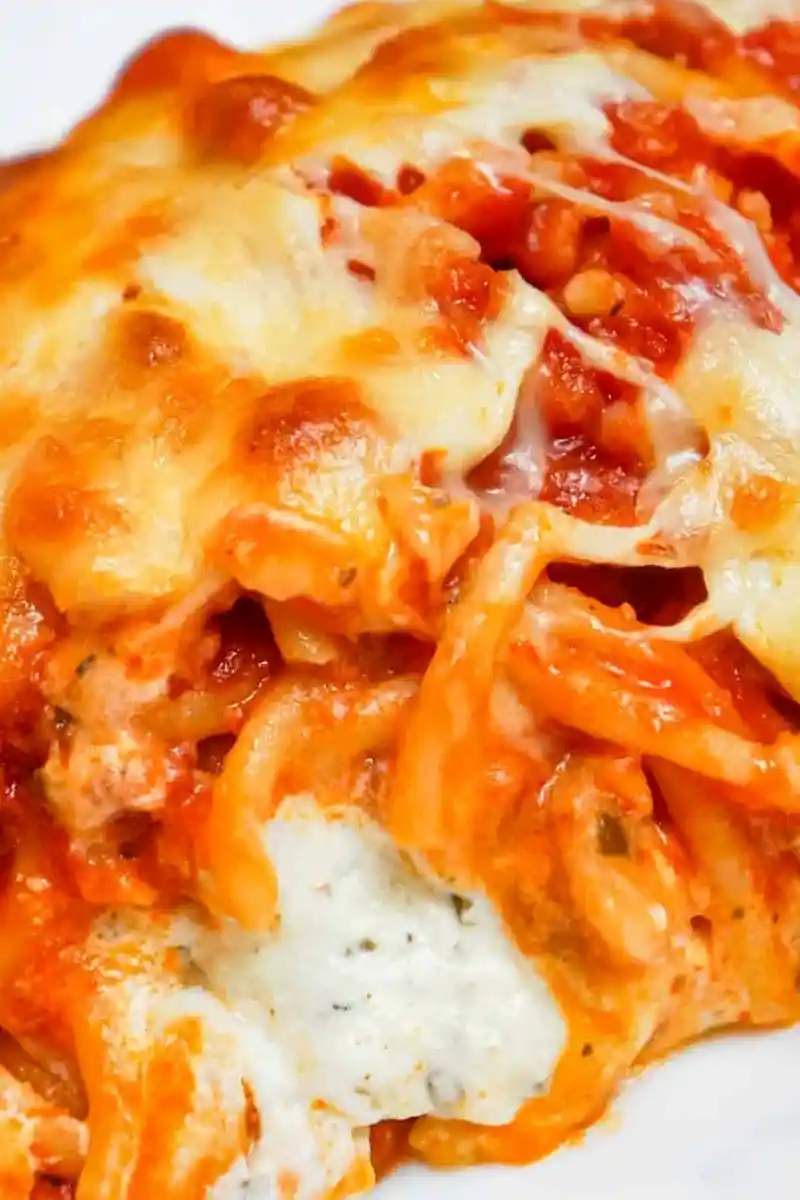
List of ingredients
- 1 lb spaghetti, uncooked – use a standard durum wheat variety.
- 1.5 lbs mild Italian beef sausage, casings removed – ensure it is beef-based for a savory flavor.
- 48 oz marinara sauce – choose a smooth or chunky variety based on preference.
- 1 1/2 cups sour cream – full fat provides the best creaminess.
- 8 oz cream cheese – softened to room temperature for easier mixing.
- 2 tablespoon basil pesto – adds a concentrated herbaceous note.
- 3 cups shredded Italian cheeses blend – typically a mix of mozzarella, parmesan, and provolone.
step-by-step instructions
- Prepare Oven: Preheat your oven to 350F.
- Cook Pasta: Cook the spaghetti according to the package directions, drain it thoroughly, and set it aside.
- Brown Meat: Place the beef sausage meat into a large pot over medium-high heat.
- Crumble Meat: Use a spoon or spatula to crumble the sausage meat well as it cooks through.
- Combine Sauce: Once the meat is fully cooked, pour the marinara sauce into the pot and stir well.
- Mix Pasta: Add the cooked spaghetti to the pot and stir until every strand is evenly coated in sauce, then remove the pot from the heat.
- Prepare Cream Layer: Place the cream cheese, sour cream, and basil pesto into a medium mixing bowl.
- Cream Ingredients: Use an electric mixer to whip the ingredients together until smooth.
- Add Cheese: Stir in 1 cup of the shredded Italian cheese blend.
- First Layer: Scoop half of the spaghetti mixture into a greased 9 x 13 inch baking dish and spread it evenly.
- Second Layer: Spread the entire cream cheese and sour cream mixture over the top of the first spaghetti layer.
- Third Layer: Scoop the remaining spaghetti mixture on top of the cream layer.
- Top Layer: Sprinkle the remaining 2 cups of shredded cheese over the top.
- Bake: Place the dish in the oven and bake for 40-45 minutes until the cheese is completely melted and starting to brown.
- Finish: Remove the dish from the oven and serve immediately.
Pro Tips for Perfect Results
Cook Pasta Slightly Under Al Dente
Since the spaghetti will spend 40-45 minutes in the oven, cook it for 1-2 minutes less than the package directions. This prevents the noodles from becoming mushy or overcooked during the baking process.
Ensure Cream Cheese is Fully Softened
Leave the cream cheese on the counter for several hours or microwave it for 15-20 seconds. Softened cheese incorporates more easily with the sour cream and pesto, eliminating lumps in the center layer.
Drain Pasta Thoroughly
Make sure to shake the colander well after draining the spaghetti. Excess water can seep into the sauce and the cream layer, leading to a watery consistency in the final casserole.
Grease the Baking Dish Thoroughly
Use a generous amount of non-stick cooking spray or butter on the sides and bottom of the 9 x 13 inch pan. This ensures the cheesy edges do not stick and allows for clean serving portions.
Use a High-Quality Electric Mixer
Using a hand mixer or stand mixer for the cream cheese layer creates a lighter, fluffier texture. Whisking by hand is possible, but an electric mixer ensures the pesto and sour cream are fully emulsified.
Ingredient Substitutions
Alternative Meat Options
While Italian beef sausage provides a classic taste, you can use ground turkey or ground chicken for a leaner version. If using plain ground meat, add 1 tablespoon of dried Italian seasoning and a pinch of fennel seed to mimic the sausage flavor.
Different Pasta Shapes
If you prefer different textures, replace spaghetti with penne, rigatoni, or rotini. These shorter pasta shapes are often easier to scoop and hold more sauce within their ridges.
Dairy Alternatives for the Cream Layer
You can substitute Greek yogurt for sour cream to increase the protein content. For the cream cheese, a thick ricotta cheese can be used, though the texture will be slightly more grainy and less smooth.
Customizing the Cheese Blend
If a pre-shredded Italian blend is unavailable, mix equal parts shredded mozzarella and provolone with a handful of grated parmesan. Adding a bit of sharp white cheddar can provide a more pungent flavor profile.
Pesto Variations
Traditional basil pesto is excellent, but sun-dried tomato pesto or kale pesto can offer a different twist. Ensure the pesto is finely ground so it blends seamlessly into the cream layer.
Marinara Sauce Adjustments
Use a low-sugar marinara sauce if you prefer a more acidic and savory taste. For a spicier dish, choose a ‘Arrabbiata’ style sauce or add a teaspoon of red pepper flakes to your standard marinara.
Serving Suggestions
Classic Garlic Bread
Toasted garlic bread is the most traditional accompaniment to this dish. The crunch of the toasted bread and the pungency of the garlic contrast well with the creamy layers of the pasta.
Fresh Green Garden Salad
Serve a side salad with mixed greens, cucumbers, and cherry tomatoes. A light vinaigrette dressing helps cut through the richness of the cheese and sour cream.
Roasted Broccoli or Cauliflower
Oven-roasted vegetables add a healthy element and a charred flavor to the meal. Toss the florets in olive oil, salt, and pepper and roast them at 400F while the spaghetti finishes baking.
Fresh Caprese Salad
Sliced fresh mozzarella, ripe tomatoes, and basil leaves drizzled with balsamic glaze make a refreshing side. The cool temperature of the salad balances the heat of the baked pasta.
Warm Breadsticks
Soft, buttery breadsticks are perfect for scooping up any remaining cream sauce from the plate. You can brush them with melted butter and parsley for a professional look.
Storage and Reheating Advice
Refrigeration Guidelines
Store leftover spaghetti in an airtight container in the refrigerator for up to 3 days. Let the dish cool slightly before sealing the lid to prevent excess moisture from building up inside the container.
Freezing for Long Term
This dish freezes well for up to 3 months. Wrap individual portions in foil or place them in freezer-safe containers, ensuring there is a bit of space at the top for expansion during freezing.
Oven Reheating Method
To maintain the best texture, reheat portions in the oven at 325F covered with foil. This prevents the cheese from drying out and heats the center of the pasta evenly.
Microwave Reheating Tips
When using a microwave, add a teaspoon of water or milk to the pasta before heating. This creates steam that re-hydrates the noodles and keeps the cheese creamy.
Preventing Dried-Out Pasta
If the pasta seems dry after reheating, stir in a tablespoon of additional marinara sauce or a splash of cream. This restores the moisture balance lost during the cooling process.
Make-Ahead Instructions
Preparing the Meat Sauce in Advance
You can brown the sausage and simmer it with the marinara sauce up to two days before assembly. Store the sauce in the refrigerator and reheat it gently before mixing with the pasta.
Assembling the Casserole Early
Assemble the entire dish, including the cheese topping, and refrigerate it overnight. When you are ready to cook, let the dish sit at room temperature for 30 minutes before baking to ensure the center heats through.
Pre-mixing the Cream Layer
The cream cheese, sour cream, and pesto mixture can be whipped together a day in advance. Keep it in a sealed container in the fridge and stir briefly before spreading it over the pasta.
Troubleshooting Common Issues
Watery Bottom Layer
If you find water at the bottom of the dish, it is usually due to under-drained pasta or too much moisture in the sauce. Next time, simmer the marinara sauce longer to reduce the liquid before adding the noodles.
Cheese Browning Too Quickly
If the top cheese browns before the center is hot, cover the baking dish loosely with aluminum foil. This traps the heat inside while shielding the cheese from the direct heat of the oven element.
Lumpy Cream Layer
Lumps occur when the cream cheese is too cold. If this happens, you can use a handheld immersion blender directly in the mixing bowl to smooth out the consistency before layering.
Pasta Feeling Too Firm
If the pasta is still too firm after the suggested bake time, cover the dish with foil and bake for an additional 10-15 minutes. The trapped steam will soften the noodles without burning the cheese.
Frequently Asked Questions
Can I use a different type of cheese?
Yes, any melting cheese works well. Mozzarella is the best for stretch, while Gruyere or Fontina can be used for a more sophisticated, nutty flavor profile.
How do I prevent the spaghetti from clumping?
Toss the cooked spaghetti with a small amount of olive oil or the meat sauce immediately after draining. This keeps the strands separate and ensures even coating.
Can this recipe be made in a slow cooker?
This is a baked dish, so a slow cooker is not ideal for the final step. However, you can cook the sausage and marinara sauce in a slow cooker before transferring the mixture to a baking dish.
What is the best way to cut the spaghetti for serving?
Use a sharp knife to cut the casserole into squares. Because of the cream layer, the spaghetti will hold its shape well, making it easier to serve as a structured slice.
Can I add vegetables to the sauce?
Yes, finely diced carrots, onions, and bell peppers can be sautéed with the sausage. This adds nutrition and texture without altering the fundamental flavor of the dish.
Print
Million Dollar Spaghetti
- Total Time: 1 hour 15 minutes
- Yield: 6–8 servings 1x
- Diet: General
Description
Million Dollar Spaghetti is a delicious baked spaghetti recipe loaded with Italian beef sausage, cream cheese, sour cream and a blend of shredded Italian cheeses.
Ingredients
- 1 lb spaghetti, uncooked
- 1.5 lbs mild Italian beef sausage, casings removed
- 48 oz marinara sauce
- 1 1/2 cups sour cream
- 8 oz cream cheese
- 2 tablespoon basil pesto
- 3 cups shredded Italian cheeses blend
Instructions
- Preheat: Preheat oven to 350F.
- Cook Pasta: Cook spaghetti according to directions on the package, drain and set aside.
- Brown Meat: Dump the sausage meat into a large pot over medium-high heat.
- Crumble: Crumble the sausage meat well as it cooks.
- Add Sauce: Once the meat is fully cooked, add the marinara sauce to the pot and stir well.
- Mix Pasta: Add the cooked spaghetti to the pot.
- Coat: Stir until all of the spaghetti is coated in sauce and then remove the pot from the heat.
- Combine Cream: Dump the cream cheese, sour cream and basil pesto into a medium mixing bowl.
- Cream: Use an electric mixer to cream the ingredients together.
- Add Cheese: Add 1 cup of the shredded cheese to the bowl and stir well.
- Layer 1: Scoop half of the spaghetti mixture into a greased 9 x 13 inch baking dish and spread it out evenly.
- Layer 2: Spread all of the cream cheese and sour cream mixture on top of the spaghetti.
- Layer 3: Scoop the remaining spaghetti on top of the cream cheese and sour cream mixture.
- Topping: Sprinkle the remaining 2 cups of shredded cheese on top of the spaghetti.
- Bake: Place the dish in the oven and bake the spaghetti until the cheese on top is completely melted and started to brown. 40-45 minutes.
- Serve: Remove the dish from the oven and serve immediately.
Notes
Store any leftovers in an airtight container in the refrigerator for up to 3 days. For longer storage freeze for up to 3 months. Reheat thoroughly before serving.
- Prep Time: 30 minutes
- Cook Time: 45 minutes
- Category: Dinner Recipes
- Method: Baking
- Cuisine: American
Nutrition
- Serving Size: 1 serving
- Calories: 868 kcal
- Sugar: 15 g
- Sodium: 1923 mg
- Fat: 62 g
- Saturated Fat: 28 g
- Unsaturated Fat: 31 g
- Trans Fat: 1 g
- Carbohydrates: 41 g
- Fiber: 4 g
- Protein: 36 g
- Cholesterol: 153 mg