This rich and velvety pasta dish is a quick dinner solution that delivers deep, buttery flavors. It uses a few simple ingredients to create a professional-grade sauce in under 20 minutes.
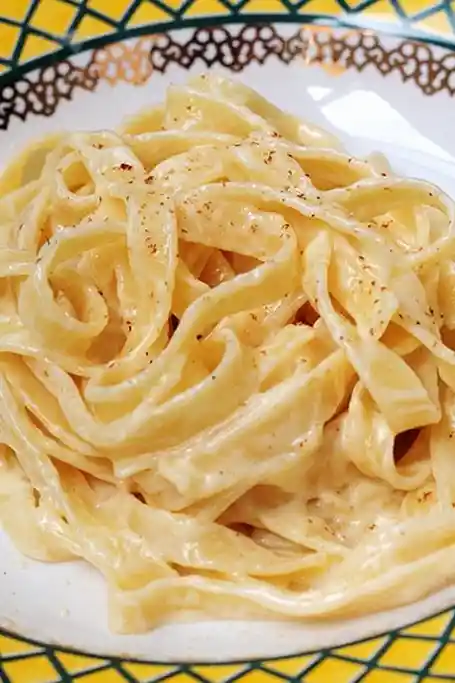
List of ingredients
- 300 g fettuccine or tagliatelle pasta – the classic choice for this sauce.
- 250 g heavy cream or fresh nata – provides the creamy base.
- 4 tablespoons butter – adds richness and silkiness.
- 3/4 cup grated Parmesan cheese – for a sharp, salty finish.
- Black pepper – freshly cracked for a slight bite.
- Nutmeg – freshly grated for a warm, aromatic depth.
- Salt – to taste and for the pasta water.
step-by-step instructions
- Boil Water: Fill a large pot with approximately 3 liters of water, add a generous pinch of salt, and bring it to a rolling boil.
- Cook Pasta: Add the fettuccine to the water and cook according to the package directions, but remove it from the heat one minute before the recommended time as it will finish cooking in the sauce.
- Prepare Base: While the pasta cooks, place a large skillet or pan over medium-low heat and add the butter, heavy cream, freshly grated nutmeg, and black pepper.
- Simmer Sauce: Stir frequently on low heat for about 3 minutes to ensure the ingredients incorporate and the butter is fully melted.
- Melt Cheese: Stir in the grated Parmesan cheese until completely melted, then turn off the heat and adjust the salt level after tasting.
- Combine: Drain the pasta, reserving a small amount of the starchy cooking water. Toss the pasta into the sauce and turn the heat back to low, stirring well to coat every strand.
- Final Touch: If the sauce is too thick, add a splash of the reserved cooking water. Finish with an extra pinch of nutmeg and black pepper.
- Serve: Plate the pasta immediately while the sauce is hot and creamy.
Pasta Cooking Mastery
Use a High Water-to-Pasta Ratio
To ensure the best texture, use approximately 1 liter of water for every 100 grams of pasta. This prevents the noodles from sticking together and allows them to move freely. Adequate water also prevents the temperature from dropping too sharply when the pasta is added.
Salt the Water Generously
The pasta water should taste like seawater to properly season the pasta from the inside out. Since the noodles are boiled and then drained, the salt in the water is the primary way to flavor the actual dough. Avoid adding salt to the pasta itself after it is cooked.
Avoid Adding Oil to the Pot
Adding oil or olive oil to the boiling water is unnecessary and can be counterproductive. Oil creates a slick coating on the pasta that prevents the Alfredo sauce from adhering to the noodles. Trust the amount of water and occasional stirring to prevent sticking.
Cook Pasta Slightly Under the Package Instructions
Removing the pasta one minute early ensures it reaches the perfect al dente texture. The noodles continue to cook when tossed in the hot cream sauce. This prevents the pasta from becoming mushy or overcooked by the time it reaches the table.
Ingredient Substitutions
Choose High-Fat Heavy Cream
For the most stable emulsion, use heavy cream or fresh nata with a high fat content. Lower-fat alternatives like half-and-half may result in a thinner sauce that separates more easily. The fat is essential for achieving the signature glossy finish of Alfredo.
Use Freshly Grated Parmesan Cheese
Avoid pre-shredded cheeses that are coated in potato starch or cellulose to prevent clumping. These additives can make the sauce grainy or prevent it from melting smoothly. Grating a block of Parmesan by hand ensures a velvety, seamless texture.
Substitute Butter for Ghee
If you prefer a slightly nuttier flavor or a higher smoke point, you can replace the butter with ghee. Ghee is clarified butter, which removes the milk solids and provides a cleaner fat profile. The result remains rich and creamy while adding a subtle depth of flavor.
Experiment with Different Long Pasta Shapes
While fettuccine is the tradition, tagliatelle or linguine work equally well. These wide, flat noodles provide more surface area for the sauce to cling to. Avoid using very thin pasta like angel hair, as the heavy sauce may overwhelm the delicate strands.
Serving and Pairing Suggestions
Pair with Grilled Lean Proteins
To make this a heartier meal, serve the pasta alongside grilled chicken breast or sautéed shrimp. Season the protein simply with salt and pepper to let the rich Alfredo sauce remain the highlight. Slicing the chicken and placing it on top of the pasta is a professional presentation.
Incorporate Sautéed Green Vegetables
The richness of the cream is balanced perfectly by the bitterness of green vegetables. Steamed broccoli, sautéed asparagus, or fresh baby spinach are excellent additions. Stir the vegetables in at the very end to maintain their vibrant color and snap.
Serve with a Fresh Citrus Salad
A side salad with a lemon-based vinaigrette helps cut through the heaviness of the butter and cheese. Mix mixed greens, sliced cucumbers, and cherry tomatoes for a refreshing contrast. The acidity of the lemon cleanses the palate between bites of creamy pasta.
Add Fresh Parsley for Color
Adding a sprinkle of freshly chopped flat-leaf parsley just before serving adds a pop of color. Beyond aesthetics, the fresh herb provides a light, grassy note that brightens the overall flavor profile. Avoid using dried parsley as it lacks the necessary aromatic punch.
Storage and Reheating
Store in Airtight Containers
Place leftovers in an airtight container and refrigerate immediately after they have cooled slightly. The pasta can be stored in the refrigerator for up to three to four days. Keep in mind that the pasta will absorb much of the sauce as it sits.
Reheat with a Splash of Liquid
When reheating, the sauce will likely have thickened or become stiff. Add a tablespoon of milk, cream, or water to the pan over low heat. Stir gently until the sauce loosens and returns to its original creamy consistency.
Avoid Microwave Overheating
Microwaving Alfredo pasta can often cause the sauce to break, leaving a pool of oil around the noodles. If you must use a microwave, heat in short 30-second bursts and stir in between. This ensures the heat is distributed evenly and the emulsion stays intact.
Common Troubleshooting
Prevent the Sauce from Separating
Sauce separation occurs when the heat is too high, causing the fat to split from the liquid. Keep the heat on low or medium-low throughout the process. Constant stirring helps keep the fats and liquids bonded into a smooth emulsion.
Fix a Sauce That Is Too Thick
If the sauce becomes too heavy or sticky, use the reserved pasta water. The starch in the water helps bind the sauce while thinning it out without losing flavor. Add the water one tablespoon at a time until the desired consistency is reached.
Manage Overcooked Noodles
If the pasta is already too soft, avoid cooking it further in the sauce. Simply toss the noodles in the sauce and serve immediately without adding extra heat. This prevents the pasta from breaking apart or becoming overly soft.
Maintain the Emulsion Process
Ensure the cheese is added after the cream has simmered slightly. Adding cheese to boiling liquid can cause it to clump or string. Turning off the heat before adding the Parmesan allows the residual heat to melt the cheese gently.
Frequently Asked Questions
Can I use a lower-fat milk?
You can use whole milk, but you will need to create a roux with butter and flour first to thicken it. Without a thickening agent, milk will not produce the same creamy body as heavy cream. The result will be a thinner, less rich sauce.
Is pre-ground nutmeg acceptable?
Pre-ground nutmeg is acceptable if you do not have a whole nut and grater. However, the flavor is significantly less potent and lacks the aromatic brightness of fresh nutmeg. Use a slightly larger pinch if using the pre-ground version.
Why does my sauce look grainy?
Graininess is usually caused by using pre-shredded cheese or heating the sauce too quickly. The starches in pre-shredded cheese do not melt smoothly, and high heat can cause the cheese proteins to clump. Use a low flame and hand-grated cheese for a smooth result.
How do I prevent the pasta from sticking?
Sticking is prevented by using a large pot with plenty of water and stirring the pasta immediately after adding it to the pot. Once drained, toss the pasta in the sauce quickly. The fat in the butter and cream acts as a lubricant to keep the strands separate.
Print
Creamy Fettuccine Alfredo
- Total Time: 20 minutes
- Yield: 3 servings 1x
- Diet: Vegetarian
Description
A delicious classic Italian pasta dish for you to prepare at home.
Ingredients
- 300 g fettuccine or tagliatelle pasta
- 250 g heavy cream or fresh cream
- 4 tbsp butter
- 3/4 cup grated parmesan cheese (microbial rennet)
- Black pepper, to taste
- Nutmeg, to taste
- Salt, to taste
Instructions
- Boil: In a large pot, add approximately 3 liters of water, add salt and bring to a boil.
- Cook Pasta: Add the pasta to the water and cook according to the package instructions, but turn off the heat one minute early, as the pasta will be finished in the sauce.
- Prepare Sauce Base: Meanwhile, heat a skillet or pot over low heat, add the butter, cream, freshly grated nutmeg, and black pepper.
- Simmer: Keep on low heat, stirring frequently to incorporate the ingredients for approximately 3 minutes.
- Add Cheese: Add the grated parmesan and stir until melted, then turn off the heat, taste, and adjust the salt.
- Drain: Drain the pasta, reserving a small amount of the cooking liquid.
- Combine: Place the pasta into the sauce, turn the heat to low, and stir to combine and incorporate the flavors. If necessary, add a bit of the cooking liquid.
- Finish: Finish with a pinch of nutmeg and pepper. Serve immediately.
Notes
For best results, use 1 liter of water for every 100g of pasta. Ensure the water is boiling before adding the pasta. Do not add oil or olive oil to the pasta water, as this prevents the sauce from adhering to the pasta.
- Prep Time: 5 minutes
- Cook Time: 15 minutes
- Category: Pasta
- Method: Stovetop
- Cuisine: Italian
Nutrition
- Serving Size: 1 serving
- Calories: 856 kcal
- Sugar: 6 g
- Sodium: 1200 mg
- Fat: 55 g
- Saturated Fat: 30 g
- Unsaturated Fat: 25 g
- Trans Fat: 2 g
- Carbohydrates: 60 g
- Fiber: 3 g
- Protein: 25 g
- Cholesterol: 110 mg