This recipe delivers a classic layered pasta dish with minimal effort by using a slow cooker. It eliminates the need to boil noodles or simmer sauce for hours on the stove.
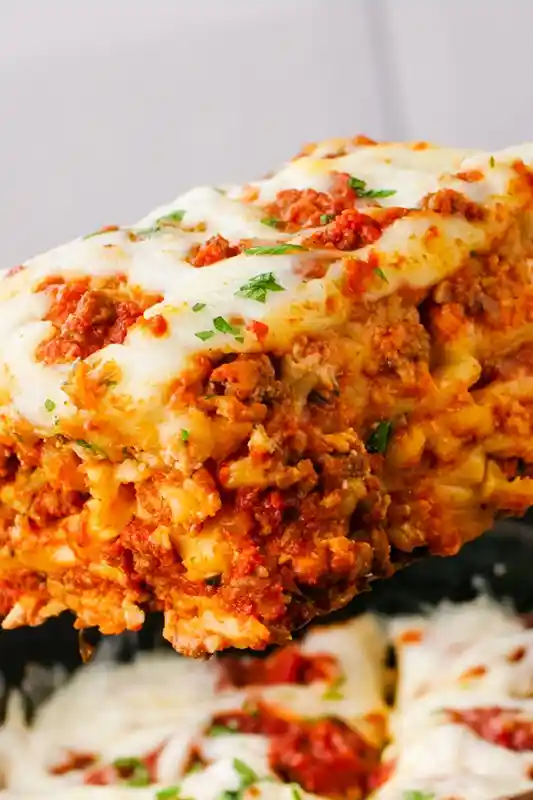
List of ingredients
- 1 pound lean ground beef – provides the hearty base.
- 1/2 pound hot Italian beef or turkey sausage – adds depth and spice.
- 1 onion, chopped – for aromatic flavor.
- 2 teaspoons minced garlic – enhances the savory profile.
- 29 ounces tomato sauce – the primary liquid base.
- 6 ounces tomato paste – thickens the sauce for better layering.
- 1/2 cup beef stock – adds richness and moisture for the noodles.
- 1 1/2 teaspoons Italian seasoning – provides a classic herb blend.
- 1 Tablespoon fresh basil, chopped fine – adds a fresh, aromatic finish.
- 12 ounces ricotta cheese – creates creamy, soft layers.
- 1/2 cup Parmesan cheese, grated – adds a salty, sharp kick.
- 1 egg – binds the cheese mixture together.
- 16 ounces mozzarella cheese, shredded, divided – for gooey melting and topping.
- 12 ounce oven-ready/no boil lasagna noodles – simplifies preparation.
- 5 qt slow cooker – the required vessel for this size.
- Fresh Basil – for final garnishing.
step-by-step instructions
- Brown the Meats: In a large skillet over medium heat, cook the ground beef, Italian beef or turkey sausage, onion, and garlic until browned and fully cooked through.
- Prepare the Sauce: Stir in the tomato sauce, tomato paste, beef stock, Italian seasoning, and basil. Cook until the mixture is heated through and well incorporated.
- Mix the Cheese: In a separate large bowl, combine the egg, ricotta cheese, grated Parmesan, and half of the shredded mozzarella cheese.
- Prepare the Slow Cooker: Lightly spray the inside of your 5 qt slow cooker with non-stick cooking spray.
- Initial Sauce Layer: Spread a layer of the meat sauce mixture across the bottom of the cooker.
- Layer the Pasta: Place the uncooked lasagna noodles over the sauce, breaking them into smaller pieces to fit the shape of the cooker if necessary.
- Repeat Layers: Top the noodles with the cheese mixture, followed by more sauce. Repeat this sequence until all ingredients are used, typically resulting in about three layers. Ensure all noodles are completely covered by sauce to prevent drying.
- Slow Cook: Cover the pot and cook on the LOW setting for 4 hours.
- Final Cheese Layer: After 4 hours, sprinkle the remaining mozzarella cheese on top and cook until the cheese is melted and the noodles are soft.
- Finish: Garnish with fresh basil and serve immediately.
Maximizing Flavor and Texture
Combine Different Ground Meats
Using both lean ground beef and a spicy Italian-style beef or turkey sausage creates a more complex flavor profile. The sausage provides fennel and garlic notes that beef alone lacks, giving the lasagna a professional taste. If you only have beef, add a pinch of fennel seeds to mimic this effect.
Thicken the Sauce with Tomato Paste
The inclusion of tomato paste is critical for the structure of a slow cooker lasagna. Unlike oven-baked versions where moisture evaporates, slow cookers trap steam. Tomato paste ensures the sauce remains thick and clings to the noodles rather than becoming watery.
Bind the Ricotta with Egg
Adding one egg to the ricotta mixture is a professional technique that stabilizes the cheese. This prevents the ricotta from becoming too runny or separating during the long cooking process, ensuring distinct, creamy layers.
Essential Slow Cooker Techniques
Preventing Dry Noodles
No-boil noodles rely entirely on the moisture in the sauce to hydrate. If you notice the noodles are not fully submerged, especially around the edges of the pot, add a small amount of water or extra beef stock. This ensures every piece of pasta becomes tender rather than remaining hard or chewy.
Managing Heat Distribution
Be aware of potential hot spots in your specific slow cooker model, as these can cause the edges of the pasta to overcook or burn. If your cooker is prone to this, you can wrap the ceramic insert in a towel or use a heat diffuser if applicable. Always check the center and edges for consistent tenderness.
Testing for Doneness
Because every slow cooker brand varies in temperature and efficiency, the 4-hour mark is a guideline. Use a fork or toothpick to pierce the center of the lasagna; it should slide through the noodles with zero resistance. If the noodles still feel firm, extend the cooking time in 30-minute increments.
Ingredient Substitutions and Variations
Using Ground Turkey for a Leaner Option
You can replace both the beef and sausage with ground turkey or ground chicken for a lower-fat version of this dish. To maintain the flavor depth, increase the amount of Italian seasoning or add a tablespoon of Worcestershire sauce. Ensure you brown the turkey thoroughly to develop a rich color.
Adding Fresh Spinach to Layers
To incorporate more vegetables, add a layer of fresh baby spinach on top of the ricotta cheese. The spinach will wilt during the slow cooking process and blend into the creamy layer. This adds nutrients and a pop of color without altering the overall flavor profile significantly.
Substituting Ricotta with Cottage Cheese
If ricotta is unavailable, small-curd cottage cheese is a practical substitute. For the best texture, blend the cottage cheese in a food processor for a few seconds to make it smooth. The result is a slightly tangier but equally creamy layer.
Using Whole Grain or Gluten-Free Noodles
You can use whole grain no-boil noodles for more fiber or gluten-free alternatives for dietary restrictions. Be mindful that gluten-free noodles often absorb liquid differently and may require an extra 1/4 cup of beef stock to ensure they cook through completely.
Serving and Pairing Suggestions
Complementary Side Dishes
A crisp Italian garden salad with a vinaigrette dressing helps cut through the richness of the cheese and meat. Garlic bread or toasted focaccia are ideal for scooping up any extra sauce. These sides balance the meal and provide a variety of textures.
Plating for Better Presentation
Allow the lasagna to rest for 10 to 15 minutes after removing it from the slow cooker before slicing. This resting period allows the layers to set, ensuring that the slices hold their shape when transferred to a plate. Garnish each slice with a fresh basil leaf for a professional look.
Pairing with Beverages
Serve this dish with sparkling water infused with lemon or a chilled iced tea. These refreshing drinks cleanse the palate between bites of the heavy, cheesy pasta. Avoid overly sweet drinks that might clash with the savory tomato and garlic flavors.
Storage and Reheating Guide
Refrigerating Leftovers
Store any remaining lasagna in an airtight container in the refrigerator for up to 4 days. Because of the high moisture content in slow cooker recipes, ensure the container is completely sealed to prevent the pasta from drying out or absorbing fridge odors.
Freezing for Future Meals
This lasagna freezes well if stored in freezer-safe containers or wrapped tightly in foil. It can be kept in the freezer for up to 3 months. Thaw the lasagna in the refrigerator overnight before reheating to ensure an even temperature.
Reheating in the Oven
For the best results, reheat individual slices in the oven at 350°F (175°C). Cover the slice with foil to retain moisture and heat until the center is hot. This method preserves the texture of the noodles better than a microwave.
Quick Microwave Reheating
If using a microwave, place the slice on a microwave-safe plate and cover it with a damp paper towel. Heat on medium power in 1-minute intervals, stirring or checking occasionally. The damp towel prevents the cheese from becoming rubbery and the noodles from hardening.
Troubleshooting Common Issues
What to do if the lasagna is too watery?
Watery lasagna usually occurs if the sauce was too thin or the vegetables released too much liquid. If you notice excess liquid before serving, carefully spoon it out from the edges. In the future, increase the amount of tomato paste to bind the liquids more effectively.
How to fix hard or uncooked noodles?
If the noodles are still hard after the cooking time, it is usually due to a lack of moisture. Add 1/4 cup of beef stock or water around the edges and cook on HIGH for another 30 to 60 minutes. Always ensure the sauce completely covers the pasta during assembly.
Handling Separated Cheese Layers
If the cheese layer seems to have separated or become oily, it may be due to overcooking or using a low-quality cheese. To prevent this, stick strictly to the LOW heat setting and use full-fat mozzarella and ricotta, as low-fat versions often break down under heat.
Frequently Asked Questions
Can I use regular lasagna noodles instead of no-boil?
It is not recommended to use standard noodles without boiling them first in a slow cooker. Standard noodles are thicker and will not hydrate sufficiently from the sauce alone, resulting in a crunchy texture. If you only have regular noodles, boil them for 2 minutes less than the package directions before layering.
Can I make this recipe in a larger slow cooker?
Yes, but you will need to increase the ingredients proportionally to fill the space. If you use a 6 or 7 quart cooker without increasing the volume, the lasagna will be too thin, and the noodles may overcook or dry out due to the increased surface area.
Is it possible to make this dish vegetarian?
You can make this vegetarian by replacing the ground beef and sausage with a mixture of finely chopped mushrooms, lentils, or a plant-based meat substitute. Increase the amount of Italian seasoning and add a splash of soy sauce to maintain the savory ‘umami’ flavor of the meat.
Do I have to brown the meat first?
Yes, browning the meat in a skillet is necessary for flavor development through the Maillard reaction. Adding raw meat directly to the slow cooker would result in a grey color and a boiled taste, which would significantly diminish the quality of the dish.
} Print
Slow Cooker Cheesy Beef Lasagna
- Total Time: 4 hours 40 minutes
- Yield: 8 servings 1x
- Diet: General
Description
Delicious layers of noodles, meat, and cheese make this crock pot lasagna a real dinner winner! Easy to make in the slow cooker, and full of delicious flavor.
Ingredients
- 1 pound lean ground beef
- ½ pound hot italian beef sausage
- 1 onion (chopped)
- 2 teaspoons minced garlic
- 29 ounces tomato sauce
- 6 ounces tomato paste
- ½ cup beef stock
- 1 1/2 teaspoons Italian Seasoning
- 1 Tablespoon fresh basil (chopped fine)
- 12 ounces ricotta cheese
- 1/2 cup Parmesan cheese (grated)
- 1 egg
- 16 ounces mozzarella cheese (shredded, divided)
- 12 ounce oven-ready/no boil lasagna noodles
- Fresh Basil (garnish)
Instructions
- Step: In a large skillet over medium heat cook the ground beef, beef sausage, onion, and garlic until browned and cooked through.
- Step: Add the tomato sauce, tomato paste, beef stock, italian seasoning, and basil and stir until well incorporated. Cook until heated through.
- Step: In a large bowl mix together the egg, ricotta cheese, grated Parmesan cheese, and half the shredded mozzarella cheese.
- Step: Spray your slow cooker with non-stick cooking spray, then add a layer of the meat sauce mixture.
- Step: Layer on the uncooked lasagna noodles, breaking to fit the shape/size of your slow cooker if needed.
- Step: Then top noodles with cheese mixture, then more sauce, and repeat until you have used everything. Insure your noodles are completely covered by sauce.
- Step: Cover, and cook on LOW setting for 4 hours.
- Step: After 4 hours, add remaining mozzarella cheese to the top and cook until cheese is melted and noodles are soft.
- Step: Garnish with fresh basil and enjoy.
Notes
If your sauce does not cover the noodles all the way, add some water or beef stock to the pot until the noodles are covered by the sauce fully.
- Prep Time: 20 minutes
- Cook Time: 4 hours 20 minutes
- Category: Main Course
- Method: Slow Cooker
- Cuisine: Pasta
Nutrition
- Serving Size: 1 serving
- Calories: 650 kcal
- Sugar: 10 g
- Sodium: 1456 mg
- Fat: 32 g
- Saturated Fat: 16 g
- Unsaturated Fat: 16 g
- Trans Fat: 0 g
- Carbohydrates: 46 g
- Fiber: 4 g
- Protein: 45 g
- Cholesterol: 147 mg