This savory lentil soup is a filling meal that provides warmth and nutrition in every bowl. It uses simple pantry staples to create a deep, satisfying flavor perfect for any weeknight dinner.

List of ingredients
- 2 tablespoons olive oil – used for sautéing the aromatics.
- 1 medium onion, diced – provides a sweet and savory base.
- 2 medium celery stalks, diced – adds a classic aromatic depth.
- 2 medium carrots, diced – brings natural sweetness and color.
- 4 garlic cloves, minced – essential for a pungent, aromatic flavor.
- 6 cups low sodium vegetable broth – the savory liquid base of the soup.
- 2 cups dried brown lentils – the main protein and heart of the dish.
- 1 teaspoon dried rosemary (or 1 tablespoon fresh) – adds an earthy, pine-like aroma.
- 2 teaspoons dried thyme leaves (or 2 tablespoons fresh) – provides a subtle lemony and minty note.
- 1/2 teaspoon black pepper – adds a mild heat and spice.
- 1 bay leaf – imparts a subtle herbal depth to the broth.
- 1 (14 ounce or 400 ml) can diced tomatoes – adds acidity and texture.
- 2 teaspoons apple cider vinegar – brightens the overall flavor profile.
- Salt to taste – used to enhance all other savory components.
step-by-step instructions
- Heat the pot: Coat the bottom of a large pot with the olive oil and place it over medium heat.
- Sauté aromatics: Once the oil is hot, add the onion, carrots and celery. Sweat the veggies for about 5 minutes, stirring often, until they begin to soften up.
- Cook garlic: Add the minced garlic and cook it with the vegetables for about 1 minute, until it becomes very fragrant.
- Simmer base: Stir in the vegetable broth, lentils, rosemary, thyme, black pepper, and bay leaf. Raise the heat and bring the liquid to a boil.
- Cook lentils: Lower the heat and allow the soup to simmer for about 25 minutes, stirring occasionally, until the lentils are almost fully cooked but still slightly firm. You can add water while the soup simmers if it becomes too dry.
- Add tomatoes: Stir in the diced tomatoes and let the soup continue simmering for 5 to 10 minutes, until the lentils are fully tender.
- Final seasoning: Remove the pot from heat and remove the bay leaf. Stir in the apple cider vinegar and season the soup with salt to taste.
- Serve: Ladle the hot soup into bowls and serve immediately.
Optimizing Your Lentil Soup Preparation
Choosing the Best Lentil Variety for Texture
Brown lentils are ideal for this recipe because they maintain their shape while becoming tender. They offer a balanced texture that is neither too mushy nor too firm. If you cannot find brown lentils, green lentils are the closest alternative for a similar bite.
The Importance of Rinsing Dried Lentils
Always rinse your dried lentils in a fine-mesh strainer under cold running water before cooking. This removes any dust, debris, or small stones that may have been mixed in during processing. It also helps remove excess surface starch for a cleaner broth.
Selecting a Heavy-Bottomed Cooking Pot
Use a heavy-bottomed pot, such as a Dutch oven, to ensure even heat distribution. Thin pots can create hot spots that cause the lentils or vegetables to burn at the bottom. A heavy pot maintains a steady simmer, which is crucial for tenderizing the legumes.
Preparing Vegetables for Even Cooking
Dice your onion, carrots, and celery into uniform, small pieces. Consistent sizing ensures that all the vegetables soften at the same rate during the sautéing process. This prevents some pieces from being overcooked while others remain raw.
Ingredient Substitutions and Customizations
Substituting Brown Lentils with Green Lentils
Green lentils are a great alternative and hold their shape even better than brown ones. You may need to increase the simmering time by 10 to 15 minutes to achieve the desired tenderness. They provide a slightly more earthy and peppery flavor profile.
Using Red Lentils for a Thicker Consistency
Red lentils break down much faster than brown or green varieties during the cooking process. Using them will result in a thicker, porridge-like consistency rather than a chunky soup. Reduce the initial simmer time to avoid the lentils dissolving completely.
Replacing Vegetable Broth with Water or Stock
If you run out of vegetable broth, you can use water combined with a bit of extra salt or a vegetable bouillon cube. Low-sodium stocks are also an option to keep the salt levels under control. Ensure any substitute is clear to maintain the soup’s intended color.
Swapping Vinegar for Fresh Lemon Juice
If you prefer a citrusy brightness over the tang of vinegar, use fresh lemon juice. Add the lemon juice at the very end of the cooking process to preserve its bright flavor. This substitution adds a fresh, zesty note that complements the earthy lentils.
Advanced Flavor Enhancements
Adding Smoked Paprika for Depth
Stir in a teaspoon of smoked paprika when adding the garlic for a subtle wood-fired taste. This adds a layer of complexity that mimics the flavor of smoked meats. It pairs exceptionally well with the earthiness of the rosemary and thyme.
Incorporating Fresh Spinach or Kale
Stir in two cups of fresh spinach or chopped kale during the final 5 minutes of simmering. The residual heat will wilt the greens without overcooking them. This adds extra nutrients and a vibrant pop of color to the finished dish.
Using Fresh Herbs Instead of Dried
Fresh herbs provide a more vibrant and aromatic flavor than their dried counterparts. Use a 3:1 ratio of fresh to dried herbs when making the substitution. Stir in fresh parsley or cilantro at the very end for maximum freshness.
Adding Sautéed Mushrooms for Umami
Sauté sliced mushrooms along with the onions and carrots to increase the savory umami profile. Mushrooms add a meaty texture and a deep, savory richness to the broth. Cremini or shiitake mushrooms are the best choices for this purpose.
Serving and Pairing Suggestions
Pairing Soup with Toasted Sourdough
Serve this soup with thick slices of toasted sourdough bread rubbed with a garlic clove. The acidity of the sourdough complements the richness of the lentils. It is perfect for dipping and soaking up the savory broth.
Serving with Steamed Brown Rice
For a more substantial meal, ladle the soup over a scoop of steamed brown rice. This adds extra fiber and makes the dish feel more like a hearty stew. The rice absorbs the broth, creating a comforting and filling combination.
Adding a Swirl of Vegan Cream or Yogurt
Top each bowl with a swirl of unsweetened vegan cream or a dollop of plant-based yogurt. This adds a creamy contrast to the acidic notes of the tomatoes and vinegar. It also mellows the intensity of the herbs.
Garnishing with Freshly Chopped Parsley
Finish the presentation with a generous sprinkle of freshly chopped flat-leaf parsley. The brightness of the parsley cuts through the density of the lentils. It provides a professional look and a fresh herbal finish.
Storage and Preservation Methods
Safe Refrigeration Practices
Allow the soup to cool slightly before transferring it to airtight containers. Store it in the refrigerator for up to three to four days. Keep the containers sealed tightly to prevent the soup from absorbing other fridge odors.
Proper Freezing and Thawing Methods
This soup freezes exceptionally well for up to three months. Freeze the soup in portions using freezer-safe bags or containers, leaving a bit of space for expansion. Thaw the soup in the refrigerator overnight before reheating.
Managing Soup Thickness After Storage
Lentils continue to absorb liquid even after the soup has cooled, often making the leftovers very thick. Do not be alarmed if the soup becomes more like a stew in the fridge. Simply add a splash of water or broth when reheating to restore the consistency.
Reheating and Freshness Tips
Best Stovetop Reheating Techniques
Reheat the soup slowly over medium-low heat in a pot. Stir frequently to ensure the lentils at the bottom do not scorch. Add a small amount of water or vegetable broth to loosen the texture as it warms.
Using the Microwave for Quick Reheating
Place a portion of soup in a microwave-safe bowl and cover it with a lid or paper towel. Heat in short intervals, stirring in between to ensure even heating. This prevents the edges from overcooking while the center remains cold.
Restoring Flavor After Reheating
Reheating can sometimes dull the bright notes of the vinegar and herbs. After the soup is hot, stir in a tiny splash of fresh apple cider vinegar or lemon juice. This awakens the flavors and makes the leftovers taste fresh.
Common Troubleshooting and FAQs
Why are my lentils still hard after cooking?
This often happens if acidic ingredients like tomatoes or vinegar are added too early in the process. Acid can prevent the cell walls of the lentils from breaking down. Always add these ingredients toward the end of the cooking time.
How do I fix a soup that is too thin?
If the soup is too watery, let it simmer uncovered for an additional 10 to 15 minutes to reduce the liquid. Alternatively, you can blend a small portion of the soup and stir it back in. This releases starches that naturally thicken the broth.
What should I do if the soup is over-salted?
If you accidentally add too much salt, stir in a small amount of unsalted vegetable broth or water. You can also add a peeled, raw potato and simmer it for 10 minutes to absorb some salt before removing it. Increasing the volume of vegetables can also balance the saltiness.
Why did my lentils turn mushy?
Mushiness usually occurs if the lentils are overcooked or if you used a variety like red lentils. To prevent this with brown lentils, check the texture frequently during the final simmering stage. Remove the pot from the heat the moment they reach your preferred tenderness.
Nutritional Considerations
Boosting Protein Content
While lentils are naturally high in protein, you can increase the count by adding cooked quinoa. Stir in cooked quinoa during the final heating stage. This creates a complete amino acid profile and adds a nutty flavor.
Reducing Sodium Levels in the Recipe
Use a homemade salt-free vegetable stock or rinse canned tomatoes to remove excess salt. Control the salt addition at the very end of the process. Using more fresh herbs and lemon juice can provide flavor without relying on sodium.
Managing Carbohydrate Intake
To lower the carbohydrate density, you can replace a portion of the lentils with diced cauliflower or zucchini. These vegetables mimic the texture of the soup while reducing the overall starch. This is a great way to increase the vegetable-to-legume ratio.
Kitchen Tool Guide
The Benefit of Using a Dutch Oven
A Dutch oven is the superior tool for this recipe because of its thick walls and tight-fitting lid. It traps steam effectively, which helps the lentils cook evenly. The material also allows for a seamless transition from sautéing to simmering.
Why a Wooden Spoon is Preferred for Stirring
A wooden spoon is ideal for stirring lentil soup as it does not scratch the bottom of your pot. It is also sturdy enough to move the thick mixture without bending. Unlike metal, it does not conduct heat, making it comfortable for long simmering periods.
Ensuring Measuring Accuracy for Legumes
Use a standard dry measuring cup to ensure you have exactly two cups of lentils. Too many lentils can result in a soup that is too thick, while too few can make it watery. Proper measurement ensures the ratio of broth to solids remains balanced.
Is this soup gluten-free?
Yes, this soup is naturally gluten-free as it contains no wheat, barley, or rye. Ensure your vegetable broth is certified gluten-free to avoid cross-contamination. It is a safe and hearty option for those with gluten sensitivities.
Can this be made in a Crockpot?
Yes, you can adapt this for a slow cooker by sautéing the vegetables first in a pan. Combine everything in the Crockpot and cook on low for 6 to 8 hours or high for 3 to 4 hours. Add the vinegar and salt just before serving.
How long does it stay fresh in the fridge?
Stored in an airtight container, this soup remains fresh and safe to eat for up to four days. The flavor often improves on the second day as the herbs meld together. Always reheat to a bubbling simmer before eating.
Can I add potatoes to this recipe?
Yes, adding diced gold or red potatoes adds a wonderful creaminess and heartiness. Add the potatoes at the same time as the broth and lentils. Be aware that potatoes will absorb some of the liquid, so you may need extra broth.
Print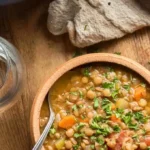
Hearty Classic Lentil Soup
- Total Time: 50 minutes
- Yield: 6 servings 1x
- Diet: Vegan
Description
This lentil soup is packed with savory flavor and guaranteed to warm you up! Hearty enough to make a meal of and easy enough for a weeknight.
Ingredients
- 2 tablespoons olive oil
- 1 medium onion, diced
- 2 medium celery stalks, diced
- 2 medium carrots, diced
- 4 garlic cloves, minced
- 6 cups low sodium vegetable broth
- 2 cups dried brown lentils
- 1 teaspoon dried rosemary (or 1 tablespoon fresh)
- 2 teaspoons dried thyme leaves (or 2 tablespoons fresh)
- 1/2 teaspoon black pepper
- 1 bay leaf
- 1 (14 ounce or 400 ml) can diced tomatoes
- 2 teaspoons apple cider vinegar
- Salt to taste
Instructions
- Step: Coat the bottom of a large pot with the oil and place it over medium heat.
- Step: Once the oil is hot, add the onion, carrots and celery. Sweat the veggies for about 5 minutes, stirring often, until they begin to soften up.
- Step: Add the garlic and cook it with the veggies for about 1 minute, until very fragrant.
- Step: Stir in the broth, lentils, rosemary, thyme, black pepper, and bay leaf. Raise the heat and bring the liquid to a boil.
- Step: Lower the heat and allow the soup to simmer for about 25 minutes, stirring occasionally, until the lentils are almost fully cooked but just a bit on the firm side. You can add water while the soup simmers if it becomes too dry.
- Step: Stir in the tomatoes and let the soup continue simmering for 5 to 10 minutes, until the lentils are tender.
- Step: Remove the pot from heat and remove the bay leaf. Stir in the vinegar and season the soup with salt to taste.
- Step: Ladle into bowls and serve.
Notes
Leftovers store well in a sealed container in the fridge for up to 3 days. If the soup thickens, thin it with water during reheating.
- Prep Time: 10 minutes
- Cook Time: 40 minutes
- Category: Soup
- Method: Simmering
- Cuisine: American
Nutrition
- Serving Size: 1.5 cups
- Calories: 314 kcal
- Sugar: 5.7 g
- Sodium: 423 mg
- Fat: 5.6 g
- Saturated Fat: 0.8 g
- Unsaturated Fat: 4.8 g
- Trans Fat: 0 g
- Carbohydrates: 49.8 g
- Fiber: 21.6 g
- Protein: 13.8 g
- Cholesterol: 0 mg