This recipe provides a method for making creamy macaroni and cheese using a slow cooker to simplify the cooking process. It utilizes a combination of whole milk and evaporated milk to achieve a smooth consistency without the need for a stovetop roux.
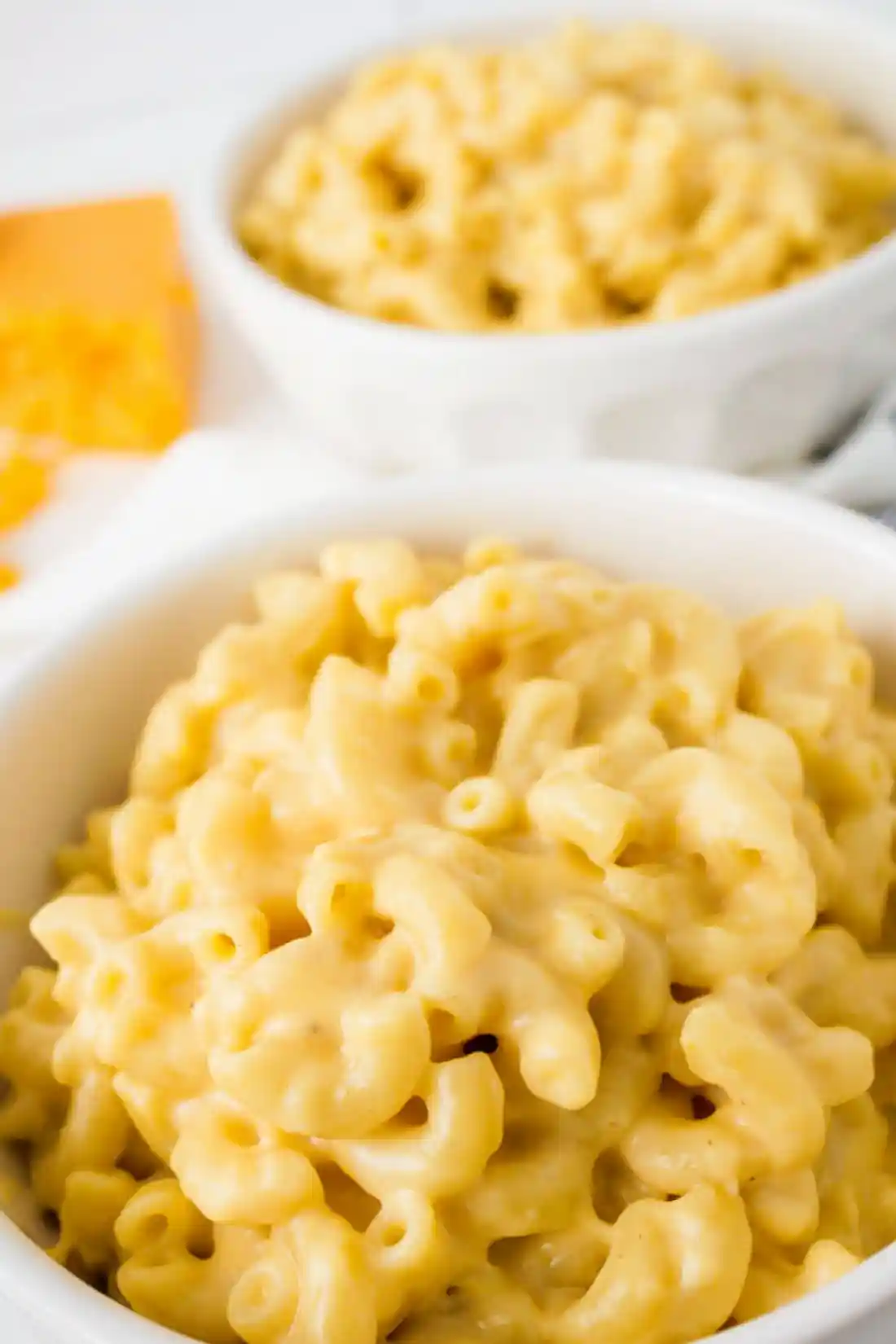
List of ingredients
- 2 1/2 c milk – provides the liquid base for the sauce.
- 12 oz evaporated milk – adds richness and stability to the emulsion.
- 1 tsp kosher salt – enhances the overall flavor profile.
- 1/2 tsp pepper – adds a mild spicy note.
- 1 lb elbow macaroni – uncooked pasta that cooks in the sauce.
- 1/4 c butter (1/2 stick) cubed – adds fat for a silkier texture.
- 12 oz sharp cheddar cheese – provides the primary bold cheese flavor.
- 4 oz Velveeta cheese cubed – acts as an emulsifier for smoothness.
step-by-step instructions
- Prepare liquid base: Whisk together the milk, evaporated milk, salt, and pepper in a bowl.
- Add pasta: Pour the uncooked elbow macaroni directly into the slow cooker.
- Add fats and cheese: Top the macaroni with the cubed butter and the cubed cheeses.
- Combine ingredients: Pour the whisked milk mixture into the slow cooker and stir to combine all ingredients.
- Cook and stir: Cover the slow cooker and cook for 2-3 hours, ensuring you stir the mixture every hour to prevent sticking.
Cheese Selection and Combinations
The Importance of Sharp Cheddar
Sharp cheddar is essential for providing a strong, tangy flavor that remains present after the long cooking process. The aging process of sharp cheddar creates a more complex taste compared to mild cheddar. It balances the richness of the butter and evaporated milk.
The Role of Processed Cheese
Including a processed cheese like Velveeta is a technical choice to ensure stability. Processed cheeses contain sodium citrate, which acts as an emulsifier. This prevents the fats from separating from the liquids, resulting in a smooth sauce that does not break.
Integrating Extra Hard Cheeses
For added saltiness, a small amount of grated Parmesan or Pecorino Romano can be stirred in during the last 30 minutes. These cheeses add a nutty depth to the dish. Be cautious with additional salt if using these varieties.
Using Gruyere for Nutty Depth
Replacing a portion of the cheddar with Gruyere adds a sophisticated, nutty flavor. Gruyere melts well and complements the creaminess of the evaporated milk. It is often used in gourmet versions of this dish.
Liquid Base and Texture Control
Benefits of Evaporated Milk
Evaporated milk is milk that has had about 60% of its water removed. This concentration makes the sauce thicker and creamier without requiring a flour-based thickener. It also increases the stability of the sauce over several hours of heat.
Choosing Whole Milk Over Low-Fat
Whole milk contains higher fat levels, which contribute to the mouthfeel of the final product. Low-fat or skim milk can lead to a thinner, more watery sauce. If using lower-fat milk, consider adding an extra tablespoon of butter to compensate.
Managing Liquid Absorption
The uncooked pasta absorbs a significant amount of the milk as it cooks. The ratio of liquid to pasta is critical to avoid a dry result. If the sauce appears too thick after 2 hours, a splash of warm milk can be added.
Optimizing Pasta for Slow Cooking
Using Elbow Macaroni
Elbow macaroni is the preferred shape because its hollow center captures the cheese sauce. The size of the noodle is proportional to the cooking time of a slow cooker. It maintains its structure better than thinner pasta types.
Alternatives to Elbows
Shells or fusilli can be used as substitutes. Shells act as small bowls for the sauce, while the spirals of fusilli provide more surface area for the cheese to cling to. Be aware that larger shapes may require an extra 30 minutes of cooking.
Avoiding Overcooked Noodles
Pasta in a slow cooker can quickly move from al dente to mushy. It is vital to check the texture at the 2-hour mark. Once the pasta is tender, turn the slow cooker to the ‘warm’ setting to stop further cooking.
Flavor Enhancements and Customizations
Adding Dry Mustard Powder
A small amount of dry mustard powder enhances the sharpness of the cheddar cheese. It adds a subtle tang that cuts through the heavy fats. Use approximately 1/4 teaspoon for the entire batch.
Incorporating Smoked Paprika
Smoked paprika introduces a woody, campfire flavor and a deep golden color. This is particularly useful if you want a more savory, less sweet profile. It pairs well with the sharp cheddar.
Using Garlic Powder for Savory Notes
Garlic powder provides a consistent savory base without the risk of burning fresh garlic. It integrates seamlessly into the liquid base. Add 1/2 teaspoon to the milk mixture before pouring it into the cooker.
Adding a Pinch of Nutmeg
A tiny pinch of ground nutmeg is a classic addition to cream-based sauces. It does not make the dish taste like dessert but rather enhances the creaminess of the milk. It is a secret ingredient in many professional bechamel sauces.
Slow Cooker Equipment Tips
Ceramic vs. Metal Liners
Ceramic liners distribute heat more evenly and hold it longer than metal liners. This is beneficial for avoiding hot spots that could scorch the milk. Ensure the liner is properly seated in the heating element.
The Impact of the Lid Seal
A tight-fitting lid is necessary to keep moisture inside the pot. If the lid is loose, liquid will evaporate too quickly, leaving the pasta dry. If you have a loose lid, you can place a piece of parchment paper under the lid to create a better seal.
Managing Heat Settings
Cooking on ‘Low’ is generally safer for dairy-based dishes to prevent curdling. If using the ‘High’ setting, you must stir more frequently and reduce the total cooking time. Most slow cookers vary in temperature, so monitoring is key.
Storage and Preservation
Refrigeration Guidelines
Store leftover macaroni and cheese in an airtight container in the refrigerator. It will remain safe to eat for up to four days. The sauce will thicken and may look solid once chilled.
Freezing and Thawing
This dish can be frozen for up to two months. To freeze, let it cool completely and place it in a freezer-safe container. Thaw it in the refrigerator overnight before reheating to maintain the best texture.
Preventing Skin Formation
To prevent a skin from forming on the surface during storage, press a piece of plastic wrap directly onto the surface of the cheese. This removes the air gap and keeps the top creamy.
Reheating Methods
Microwave Reheating
When reheating in a microwave, add a tablespoon of milk or water to the portion. Stir halfway through the heating process. This re-emulsifies the cheese and restores the creamy consistency.
Stovetop Reheating
Place the leftovers in a saucepan over low heat. Add a splash of milk and stir constantly. Avoid high heat, as this can cause the cheese to separate and become oily.
Oven Reheating for a Crust
Transfer the leftovers to a baking dish and cover with foil. Heat at 350°F (175°C) until warmed through. Removing the foil for the last 5 minutes allows you to create a browned cheese crust on top.
Troubleshooting Common Issues
Fixing a Grainy Sauce
Graininess occurs when the cheese proteins clump together due to overheating. To fix this, stir in a small amount of warm milk or a tablespoon of heavy cream. Stirring vigorously can also help re-incorporate the fats.
Managing Dry Pasta Results
If the pasta has absorbed all the liquid and the dish is too dry, stir in more milk. Let it sit on the ‘warm’ setting for 10-15 minutes. This allows the pasta to absorb the new liquid without overcooking.
Addressing Mushy Noodles
If the pasta is overcooked, it cannot be reversed. To improve the presentation, you can transfer the mixture to a baking dish, top with breadcrumbs, and broil it. The crunchy topping provides a necessary contrast to the soft noodles.
Frequently Asked Questions
Can I use a different pasta shape?
Yes, shapes like shells or rotini work well. However, thicker pastas may require an additional 30 to 60 minutes of cooking time and potentially a bit more milk to ensure they soften completely.
Is stirring every hour mandatory?
Yes, stirring is necessary because the pasta tends to settle at the bottom. Stirring ensures that the noodles on the bottom do not overcook or burn while the noodles on top remain undercooked.
Can I make this without Velveeta?
You can substitute Velveeta with more sharp cheddar or a cream cheese block. However, the sauce may be more prone to separating or appearing grainy without the emulsifiers found in processed cheese.
Can this be made on high heat?
It can be made on high, but it typically takes 1.5 to 2 hours instead of 3. Using high heat increases the risk of the milk scorching at the edges of the slow cooker.
Print
Creamy Slow Cooker Macaroni and Cheese
- Total Time: 3 hours 10 minutes
- Yield: 8 servings 1x
- Diet: General
Description
Bust out your crockpot for this macaroni and cheese recipe – it’s amazing and simple. Your whole family will love this Slow Cooker Macaroni and Cheese. Yum!
Ingredients
- 2 1/2 c milk
- 12 oz evaporated milk
- 1 tsp kosher salt
- 1/2 tsp pepper
- 1 lb elbow macaroni
- 1/4 c butter (1/2 stick) cubed
- 12 oz sharp cheddar cheese
- 4 oz Velveeta cheese cubed
Instructions
- Whisk: Whisk together milk, evaporated milk, salt and pepper.
- Prepare: Pour UNCOOKED macaroni into a slow cooker.
- Layer: Top with butter and cheeses.
- Combine: Pour milk mixture into slow cooker and combine with other ingredients.
- Cook: Cover slow cooker and cook for 2-3 hours, stirring every hour.
Notes
Stir the mixture every hour to ensure a creamy texture.
- Prep Time: 10 minutes
- Cook Time: 3 hours
- Category: Side Dish
- Method: Slow Cooking
- Cuisine: American
Nutrition
- Serving Size: 1 serving
- Calories: 568 kcal
- Sugar: 11 g
- Sodium: 911 mg
- Fat: 27 g
- Saturated Fat: 17 g
- Unsaturated Fat: 10 g
- Trans Fat: 0 g
- Carbohydrates: 52 g
- Fiber: 1 g
- Protein: 26 g
- Cholesterol: 85 mg