This maple glazed salmon provides a rich, sweet, and savory profile that elevates a simple fillet. It is an efficient meal for weeknights that requires minimal preparation and cleanup.
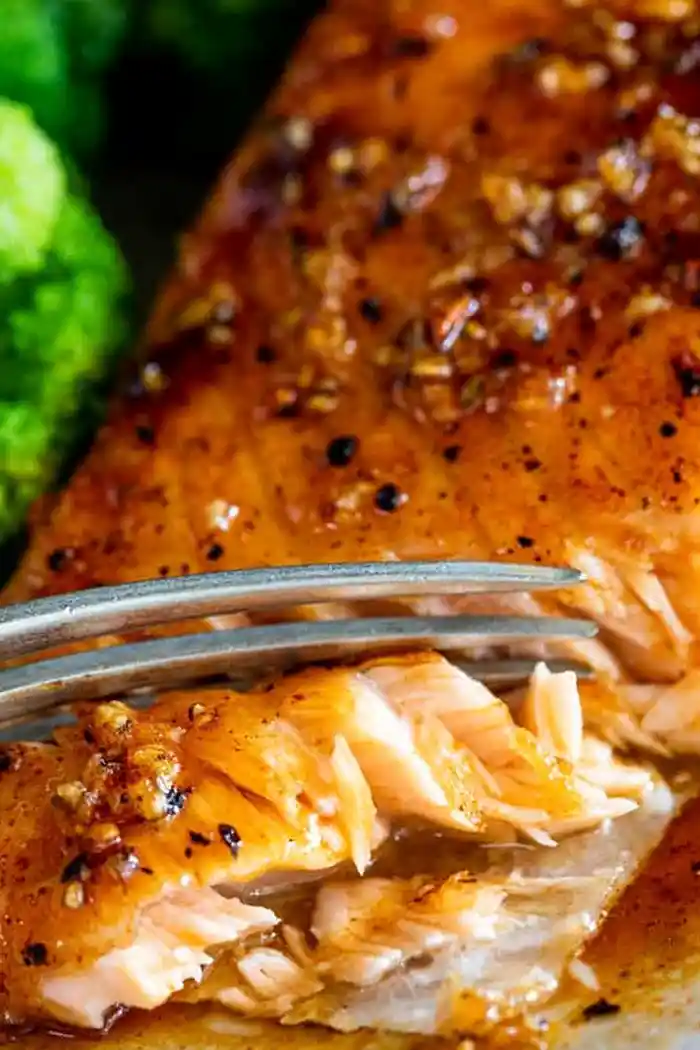
List of ingredients
- 1/2 cup pure maple syrup – provides the primary sweet base.
- 3 tbsp light brown sugar – adds depth and caramelization.
- 1 1/2 tbsp fresh lime juice – balances sweetness with acidity.
- 2 tsp garlic, minced – adds a pungent, savory note.
- 1/4 tsp paprika – contributes a mild earthy flavor.
- 1/8 tsp black pepper – provides a subtle heat.
- 2 lbs salmon, cut into filets – the main protein source.
- 1/2 tsp garlic powder – ensures consistent savory seasoning.
- 1/2 tsp onion powder – adds a sweet, aromatic layer.
- 1/4 tsp paprika – used for the dry rub coloring and taste.
- 1/8 tsp creole seasoning – adds a complex spice blend.
- 1/8 tsp cayenne pepper (optional) – adds a hint of spicy heat.
- kosher salt – to taste for seasoning.
- black pepper – to taste for seasoning.
step-by-step instructions
- Prepare Oven and Glaze: Preheat your oven to 375°F. In a small bowl, whisk together the maple syrup, brown sugar, lime juice, minced garlic, paprika, and black pepper, then set the mixture aside.
- Prepare Salmon: Pat each side of the salmon filets with a paper towel to remove excess moisture. Season both sides of the fish with kosher salt and black pepper to your preference.
- Apply Seasoning: In a separate small bowl, whisk together the garlic powder, onion powder, paprika, creole seasoning, and optional cayenne pepper. Sprinkle this spice blend over the salmon and press it lightly into the flesh.
- Setup Foil: Place the seasoned salmon in the center of a large piece of greased or non-stick aluminum foil. Ensure there is enough foil on the sides to completely enclose the fish.
- Apply Glaze and Seal: Spoon the prepared maple glaze evenly over the top of the salmon filets. Fold the sides of the foil up and over to completely seal the salmon inside the packet. If the foil is too small, layer another piece on top to close the gap.
- Bake: Place the foil packets in the oven and bake for 14-15 minutes or until the salmon is almost fully cooked.
- Broil for Finish: Remove the salmon from the oven and change the oven setting to broil. Carefully uncover the foil and place the salmon under the broiler for about 2 minutes until the top is golden and caramelized. Remove from the oven and serve.
Expert Baking Tips
Use Pure Maple Syrup for Optimal Consistency
You must use 100% pure maple syrup rather than pancake syrup or maple-flavored corn syrup. Pure syrup has the correct sugar structure to caramelize properly under the broiler. Artificial syrups often contain too many additives, which can lead to a sticky, cloying texture instead of a rich glaze.
Apply Oil to Foil to Prevent Salmon from Sticking
Salmon proteins tend to bond strongly to aluminum foil during the roasting process. Use a generous amount of non-stick cooking spray or a brush of olive oil on the foil before adding the fish. This ensures the fillets remain intact when you lift them for serving.
Check for Opaque Pink Color to Determine Doneness
Salmon transitions from a translucent raw state to an opaque pink as it cooks. To check for doneness, use a fork to gently flake the thickest part of the fillet. If the meat flakes easily but remains slightly translucent in the very center, it is perfectly cooked.
Remove Surface Moisture Before Seasoning
Always pat the salmon dry with paper towels before applying salt or spices. Surface moisture creates a barrier that prevents the seasoning from adhering to the meat. Removing the water also helps the fish roast more efficiently rather than steaming in its own juices.
Ingredient Substitutions
Replace Brown Sugar with Coconut Sugar
If you prefer a lower-glycemic option, coconut sugar is an excellent substitute for light brown sugar. It maintains a similar caramel-like flavor profile and integrates well with the maple syrup. Use the same 3 tablespoon measurement for a consistent result.
Use Lemon Juice Instead of Lime
While lime provides a zesty, tropical acidity, fresh lemon juice offers a more traditional citrus flavor. Lemon juice is more readily available and pairs naturally with salmon and maple. Use an equal ratio of 1 1/2 tablespoons of lemon juice.
Substitute Creole Seasoning with Smoked Paprika and Garlic
If you do not have creole seasoning on hand, you can create a similar flavor using smoked paprika and a pinch of extra garlic powder. This combination provides the same smokiness and savory depth. Add a small pinch of salt to compensate for the sodium found in pre-mixed creole blends.
Use Honey as a Maple Syrup Alternative
Honey can be used if pure maple syrup is unavailable, though the flavor will be slightly more floral. Because honey is thicker than maple syrup, you may need to warm it slightly before whisking. You might also reduce the brown sugar by one tablespoon to prevent the glaze from becoming overly sweet.
Flavor Variations
Increase Cayenne for a Spicy Kick
To balance the sweetness of the maple glaze, increase the amount of cayenne pepper. Adding 1/4 to 1/2 teaspoon of cayenne provides a noticeable heat that cuts through the sugar. This variation is ideal for those who prefer a spicy-sweet contrast.
Incorporate Fresh Ginger for Zesty Depth
Adding one teaspoon of freshly grated ginger to the glaze introduces a bright, pungent quality. Ginger complements the sweetness of the maple and the acidity of the lime. This gives the dish a profile similar to Asian-inspired glazes.
Create a Soy-Maple Blend for Umami
Replace one tablespoon of the maple syrup with a tablespoon of low-sodium soy sauce. This adds a salty, umami depth to the glaze that enhances the natural flavor of the salmon. If you use this method, reduce the amount of kosher salt used in the initial seasoning step.
Finish with Fresh Herbs
Adding chopped fresh parsley or dill after the salmon comes out of the oven adds a fresh, grassy note. The contrast of green herbs against the golden glaze also improves the visual presentation. Sprinkle them over the fish just before serving to keep the herbs vibrant.
Serving Suggestions
Pair with Garlic Sautéed Green Beans
Fresh green beans sautéed with minced garlic and olive oil provide a crisp texture and a bitter edge. This bitterness effectively balances the richness of the maple glaze. Cook the beans in a skillet over medium heat for 5-7 minutes until tender-crisp.
Serve Over Fluffy Jasmine Rice
The floral aroma and neutral taste of jasmine rice make it an ideal base for this recipe. The rice absorbs the excess glaze from the foil packet, ensuring no flavor is wasted. For added nutrition, you can use brown jasmine rice or wild rice.
Combine with Quinoa and Steamed Asparagus
For a high-protein and nutrient-dense side, serve the salmon over a bed of quinoa. Pair this with steamed asparagus spears seasoned with lemon and salt. The earthiness of the quinoa and the snap of the asparagus complement the sweet glaze.
Add a Side of Roasted Root Vegetables
Carrots and parsnips roasted in the oven at the same temperature as the salmon create a cohesive meal. The natural sugars in the root vegetables mirror the sweetness of the maple glaze. Roast them on a separate sheet pan for about 20-25 minutes.
Storage and Reheating
Refrigerate in Airtight Containers
Place cooked salmon in a glass airtight container to preserve its flavor and moisture. Store it in the refrigerator for 3 to 4 days. Avoid stacking the filets directly on top of each other to prevent the glaze from rubbing off.
Freeze for Long Term Storage
Cooked salmon can be frozen for up to 4 months. Wrap each fillet tightly in aluminum foil and then place them in a heavy-duty freezer bag. Thaw the fish in the refrigerator overnight before reheating to maintain the best texture.
Reheat in the Oven to Preserve Texture
Avoid using a microwave to reheat salmon, as it can make the fish rubbery and create a strong odor. Instead, place the fillets on a piece of foil and heat them in a conventional oven at 350°F. Warm them for 10-12 minutes or until heated through.
Make-Ahead Strategy
Prepare the Glaze in Advance
The maple glaze can be whisked together up to three days before you plan to cook. Store the mixture in a sealed jar or container in the refrigerator. Bring the glaze to room temperature for 30 minutes before applying it to the salmon for better spreading.
Pre-Season the Salmon Filets
You can apply the dry rub seasoning to the salmon a few hours before baking. Store the seasoned filets in the refrigerator on a tray covered with plastic wrap. This allows the salt and spices to penetrate deeper into the fish, enhancing the overall flavor.
Troubleshooting Common Issues
Prevent the Glaze from Burning
Because of the high sugar content in maple syrup and brown sugar, the glaze can burn quickly under the broiler. Monitor the salmon closely during the final 2 minutes of cooking. If the glaze darkens too quickly, remove the fish immediately.
Fix Overcooked Salmon
If the salmon is overcooked and becomes dry, do not serve it as a fillet. Instead, flake the fish into small pieces and mix it with a bit of Greek yogurt or mayonnaise. Use this mixture for salmon cakes or as a topping for a fresh green salad.
Handle Salmon That Sticks to Foil
If the salmon sticks to the foil despite greasing, avoid pulling it forcefully. Use a thin metal spatula to gently slide under the fillet to loosen it. In the future, ensure the foil is thoroughly coated with oil or use parchment paper underneath the foil.
Frequently Asked Questions
Can I use frozen salmon for this recipe?
Yes, you can use frozen salmon, but it must be completely thawed before you begin. Thaw the fillets slowly in the refrigerator for 12-24 hours. Using frozen fish without thawing will result in uneven cooking and excessive water release in the foil packet.
What is the best type of salmon for this recipe?
Atlantic salmon is a great choice due to its higher fat content, which keeps the fish moist under the broiler. Sockeye salmon is also an excellent option if you prefer a deeper, more robust flavor and a firmer texture.
How do I know when the salmon is fully cooked?
The most accurate way to tell is by using an instant-read meat thermometer. The salmon is cooked when the internal temperature reaches 145°F. Alternatively, you can check if the meat flakes easily with a fork and is no longer translucent.
Should I leave the skin on the salmon?
Leaving the skin on is recommended as it acts as a protective barrier between the heat and the flesh. The skin also helps the fillet hold its shape during the baking and broiling process. You can easily remove the skin after cooking if you prefer.
Can I cook this in an air fryer?
Yes, you can adapt this for an air fryer by placing the salmon on a piece of parchment paper. Air fry at 375°F for 8-12 minutes depending on the thickness. Apply the glaze halfway through the cooking process to prevent the sugars from burning too early.
Print
Maple Glazed Salmon Recipe
- Total Time: 30 minutes
- Yield: 4 servings 1x
- Diet: General
Description
Each bite of this maple glazed salmon recipe is sweet, perfectly seasoned and bursting with melt in your mouth flavor! This is the ultimate healthy weeknight dinner that takes mere minutes to make!
Ingredients
- 1/2 cup pure maple syrup
- 3 tbsp light brown sugar
- 1 1/2 tbsp fresh lime juice
- 2 tsp garlic (minced)
- 1/4 tsp paprika
- 1/8 tsp black pepper
- 2 lbs salmon (cut into filets)
- 1/2 tsp garlic powder
- 1/2 tsp onion powder
- 1/4 tsp paprika
- 1/8 tsp creole seasoning
- 1/8 tsp cayenne pepper (optional)
- kosher salt (to taste)
- black pepper (to taste)
Instructions
- Step: Preheat oven to 375°F.
- Step: Whisk the glaze ingredients together and set aside.
- Step: Pat salmon dry, season with salt and pepper.
- Step: Mix remaining spices and sprinkle over salmon, pressing lightly.
- Step: Place salmon on greased foil, spoon glaze on top, and fold foil sides over.
- Step: Fold the sides of the foil up to completely enclose the salmon.
- Step: Bake for about 14-15 minutes or until salmon is almost done cooking.
- Step: Remove salmon from the oven. Change your setting to broil, uncover the foil and place salmon under the broiler for about 2 minutes or until golden then remove from oven.
Notes
Cooked salmon can be stored in the fridge for 3-4 days or in the freezer for up to 4 months. Reheat at 350°F in a conventional oven on foil to prevent drying out. Use pure maple syrup for the best quality results.
- Prep Time: 15 minutes
- Cook Time: 15 minutes
- Category: Main Course
- Method: Baking
- Cuisine: American
Nutrition
- Serving Size: 1 filet
- Calories: 472 kcal
- Sugar: 33 g
- Sodium: 107 mg
- Fat: 14 g
- Saturated Fat: 2 g
- Unsaturated Fat: 12 g
- Trans Fat: 0 g
- Carbohydrates: 38 g
- Fiber: 1 g
- Protein: 45 g
- Cholesterol: 125 mg