Prepare a rich and velvety sauce using simple ingredients found in most kitchens. This version utilizes milk instead of heavy cream to offer a lighter yet satisfying finish for your favorite dishes.
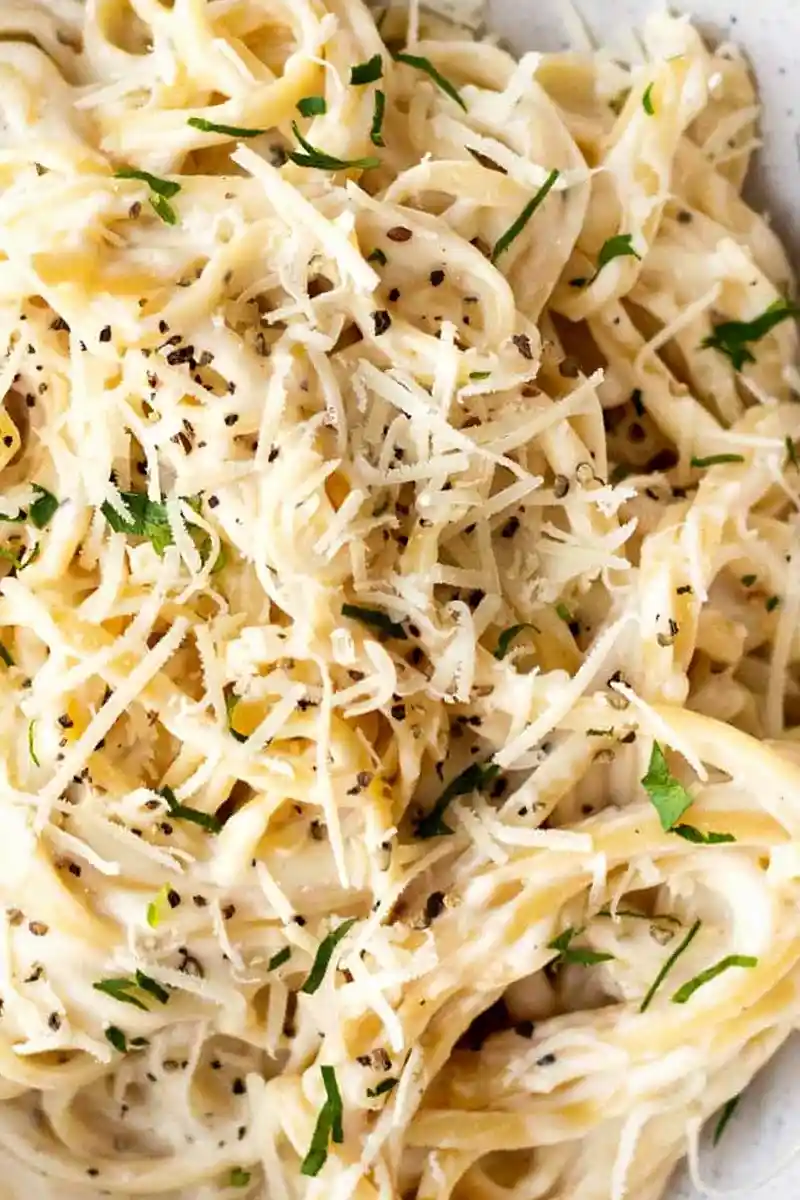
List of ingredients
- 2 tbsp unsalted butter – provides the base fat for the roux.
- 2 cloves garlic, minced – adds a pungent, savory aromatic layer.
- 2 tbsp all-purpose flour – acts as the thickening agent.
- 2 cups milk (whole or reduced fat) – creates the liquid body of the sauce.
- 1 tsp salt – enhances all the overall flavors.
- 1/4 tsp black pepper, freshly ground – adds a subtle spicy bite.
- 3/4 cup grated Parmesan cheese – provides saltiness and a thick texture.
step-by-step instructions
- Sauté Garlic: Melt the butter in a small saucepan over medium heat. Add the minced garlic and saute for 1 minute.
- Create the Roux: Add the all-purpose flour to the pan. Stir constantly for about 30 seconds until a thick paste forms.
- Incorporate Milk: Slowly pour in the milk while stirring constantly. Whisk for 1 minute, or until a thick sauce forms.
- Add Seasoning and Cheese: Stir in the salt, black pepper, and parmesan cheese. Continue stirring constantly for about 2 minutes until the cheese melts.
- Simmer: Let the sauce simmer for 5 minutes, stirring frequently to prevent sticking.
- Combine: Remove the sauce from the heat immediately and add it to cooked chicken, pasta, fish, or vegetables.
Optimizing Sauce Texture and Consistency
Choosing the Best Milk for Richness
The fat content of your milk directly impacts the final viscosity and mouthfeel of the sauce. Whole milk produces the richest and thickest result due to higher fat levels. Reduced-fat or skim milk will result in a thinner sauce that is less creamy.
Selecting the Right Form of Parmesan
Use finely grated Parmesan rather than pre-shredded varieties for a smoother blend. Grated cheese incorporates into the milk mixture more rapidly and evenly. Pre-shredded cheeses often contain anti-caking agents that can make the sauce grainy or rubbery.
Controlling the Roux Temperature
Keep the heat on medium when cooking the butter and flour mixture. If the temperature is too high, the roux can burn quickly, leaving a bitter taste. Constant stirring ensures the flour is evenly toasted without scorching.
Managing the Milk Addition Process
Pour the milk in small increments rather than all at once. Stirring vigorously after each addition prevents lumps from forming in the sauce. This gradual integration ensures a perfectly smooth emulsion.
Flavor Enhancements and Customizations
Integrating Spicy Elements
To add heat, stir in a pinch of red pepper flakes or cayenne powder during the simmering stage. Freshly diced jalapeños can be sautéed with the garlic for a more pronounced kick. These additions balance the richness of the dairy.
Using Fresh Herb Additions
Chopped parsley or basil added at the very end provides a fresh, herbaceous contrast. Thyme or oregano can be simmered with the sauce for a more earthy profile. Always add delicate herbs after removing the sauce from the heat to preserve their color.
Adding Nutrient-Dense Vegetables
Stir in chopped spinach or kale during the final two minutes of simmering until they wilt. Broccoli florets, cauliflower, or asparagus tips can be steamed separately and folded in. Cherry tomatoes can be added for a burst of acidity and color.
Substituting the Cheese Variety
While Parmesan is standard, you can substitute it with Pecorino Romano for a saltier, sharper taste. Gruyere or white cheddar can be used for a nuttier, more melted quality. Ensure the substitute cheese is finely grated to avoid clumps.
Protein Pairing Suggestions
Grilled and Pan-Seared Chicken
Toss the sauce with sliced grilled chicken breast or pan-seared chicken tenders. The creamy base complements the charred exterior of the meat. Ensure the chicken is fully cooked before combining it with the sauce.
Baked Salmon and Shrimp
Drizzle the white sauce over baked salmon fillets or sautéed shrimp for a seafood-style dish. The mild flavor of the sauce enhances the natural sweetness of the seafood. Avoid overcooking the shrimp to maintain a tender texture.
Vegetarian Protein Alternatives
Combine the sauce with pan-fried tofu cubes or chickpeas for a hearty plant-based meal. These proteins absorb the garlic and cheese flavors well. Sautéing them first adds a texture contrast to the creamy sauce.
Integrating into Casseroles
Use this sauce as a binder for chicken and vegetable casseroles. Mix it with cooked pasta and proteins before topping with breadcrumbs. Bake until the edges are golden brown and bubbly.
Storage and Preservation Methods
Refrigeration Guidelines
Store leftover sauce in a glass mason jar or an airtight plastic container. It will remain fresh in the refrigerator for up to two days. Ensure the container is sealed tightly to prevent the sauce from absorbing other fridge odors.
Freezing for Long Term Use
Place the sauce in freezer-safe plastic bags, removing as much air as possible. It can be stored in the freezer for approximately six months. Be aware that freezing can alter the texture, sometimes causing the sauce to separate.
Maintaining Maximum Freshness
The sauce is most flavorful and smooth when consumed on the day it is made. If storing, cool the sauce quickly before placing it in the refrigerator. This prevents excessive condensation and maintains a better consistency.
Reheating the Sauce
Stovetop Reheating Technique
Place the chilled sauce in a small pan over low to medium heat. Stir constantly to ensure even warming and to prevent the bottom from scorching. This method allows you to monitor the thickness closely.
Microwave Reheating Process
Heat the sauce in 30-second intervals, stirring between each burst. This prevents hotspots and ensures the cheese doesn’t separate. Use a microwave-safe glass bowl for the best results.
Restoring Sauce Consistency
Reheated sauce often becomes thicker than the original version. Stir in a tablespoon of milk or water to loosen the texture. Continue adding liquid one teaspoon at a time until the desired creaminess is restored.
Troubleshooting Common Issues
Fixing Lumpy Sauce Textures
If lumps form during the milk addition, use a whisk to stir vigorously. If the lumps persist, you can pour the sauce through a fine-mesh strainer. This removes the flour clumps and leaves a smooth liquid.
Handling Excessively Thick Sauce
If the sauce becomes too thick during the simmering process, whisk in a small amount of milk. Do this slowly to avoid over-thinning the mixture. Keep the heat low while adjusting the consistency.
Preventing Sauce Separation
Avoid boiling the sauce aggressively, as extreme heat can cause the fats to separate from the liquids. Maintain a gentle simmer and stir frequently. Removing the sauce from the heat immediately after it reaches the right thickness prevents breaking.
Eliminating a Raw Flour Taste
A raw flour taste occurs if the roux is not cooked long enough. Ensure the flour and butter paste is stirred for at least 30 seconds before adding milk. The 5-minute simmer at the end also helps cook out the starch flavor.
Frequently Asked Questions
Can I use skim milk?
Yes, you can use skim milk, but the resulting sauce will be thinner and less creamy. To compensate, you may need to simmer the sauce slightly longer or add a small amount of extra cheese.
Is this sauce gluten-free?
No, this recipe uses all-purpose flour, which contains gluten. To make it gluten-free, replace the flour with a 1:1 gluten-free flour blend or use a cornstarch slurry.
Can I omit the garlic?
Yes, the garlic is for flavor and can be omitted without affecting the structure of the sauce. You can replace it with garlic powder or onion powder if preferred.
What pasta shapes work best?
Short, textured pastas like penne, fusilli, or farfalle are ideal because they hold the thick sauce in their ridges. Fettuccine or linguine also work well for a more classic presentation.
Can I use a different cheese?
Yes, you can use other hard cheeses like Asiago or Gruyere. Just ensure the cheese is finely grated so it melts smoothly into the sauce without clumping.
How do I prevent the flour taste?
Ensure you cook the roux (butter and flour) for the full recommended time before adding the milk. The final simmering stage is also crucial for fully cooking the flour particles.
Can I use it for casseroles?
Absolutely, this sauce works excellently as a base for chicken or vegetable casseroles. It provides the necessary moisture and creaminess to keep the dish from drying out in the oven.
Is this suitable for fish?
Yes, this sauce pairs very well with white fish like cod or salmon. It adds a rich layer of flavor that complements the delicate taste of the seafood.
Print
Quick 10-Minute Creamy White Pasta Sauce
- Total Time: 10 minutes
- Yield: 4 servings 1x
- Diet: General
Description
White Pasta Sauce is creamy and delicious! This recipe is made with milk instead of heavy cream and is perfect for pastas and chicken casseroles. Ready in only 10 minutes!
Ingredients
- 2 tbsp unsalted butter
- 2 cloves garlic (minced)
- 2 tbsp all-purpose flour
- 2 cups milk (whole or reduced fat)
- 1 tsp salt
- 1/4 tsp black pepper (freshly ground)
- 3/4 cup grated Parmesan cheese
Instructions
- Step: In a small saucepan, melt the butter over medium heat. Add the minced garlic and saute for 1 minute. Add all purpose flour and stir constantly for about 30 seconds, until a thick paste forms.
- Step: Slowly pour in the milk, stirring constantly. Whisk for 1 minute, or until it a thick sauce forms.
- Step: Add the salt, black pepper, and parmesan cheese. Stir constantly until the cheese melts, about 2 minutes. Simmer for 5 minutes, stirring frequently.
- Step: Remove from the heat immediately and add to cooked chicken, pasta, fish, or vegetables.
Notes
Store in the fridge in a mason jar or airtight container for up to 2 days. In the freezer, store in plastic freezer safe bags for around 6 months. However, cream sauce is best used fresh on the same day.
- Prep Time: 2 minutes
- Cook Time: 10 minutes
- Category: Main Course
- Method: Stovetop
- Cuisine: American
Nutrition
- Serving Size: 4 oz
- Calories: 174 kcal
- Sugar: 7 g
- Sodium: 927 mg
- Fat: 10 g
- Saturated Fat: 6 g
- Unsaturated Fat: 4 g
- Trans Fat: 0 g
- Carbohydrates: 10 g
- Fiber: 1 g
- Protein: 12 g
- Cholesterol: 29 mg