This refreshing seafood salad combines tender poached shrimp with a zesty herb dressing. It is a versatile dish that works equally well as a main course or a sophisticated appetizer for gatherings.
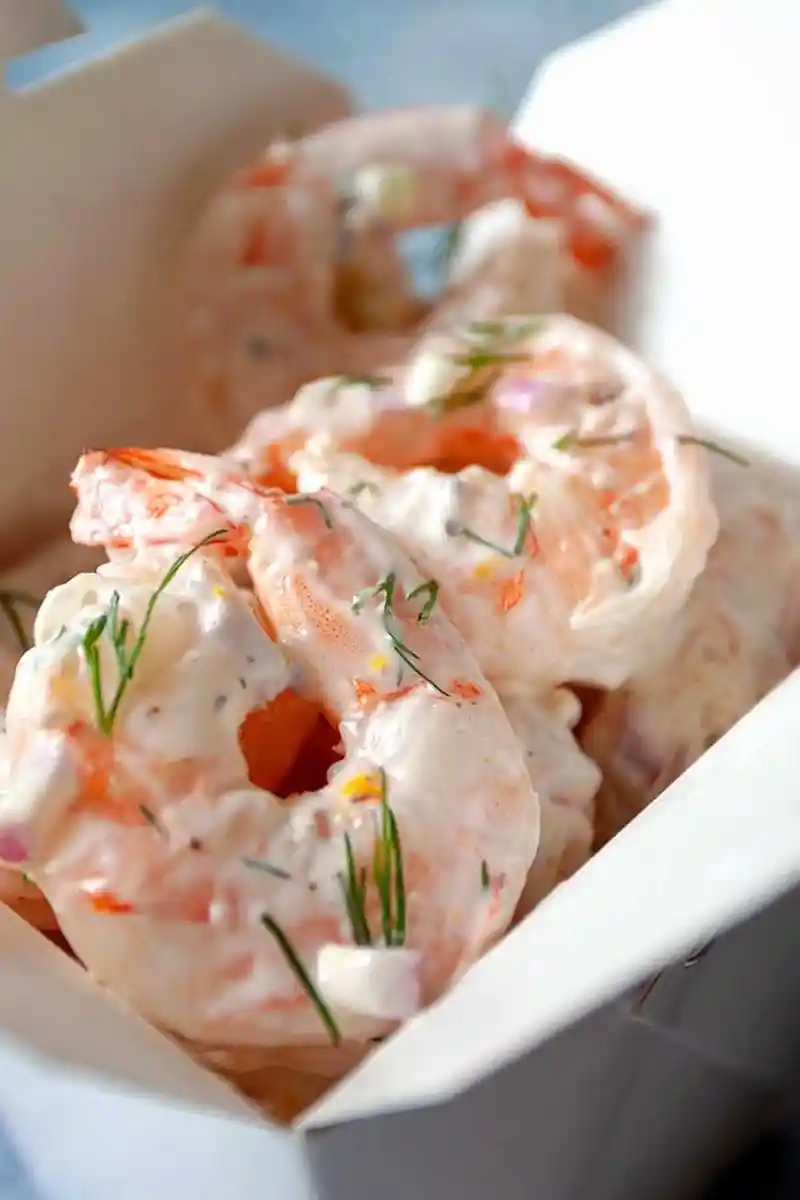
List of ingredients
- 3 tablespoons plus 1 teaspoon kosher salt – used for poaching and seasoning.
- 1 lemon, cut into quarters – adds acidity to the poaching liquid.
- 4 pounds large shrimp in the shell (16 to 20 shrimp per pound) – the primary protein.
- 2 cups mayonnaise – creates the creamy base of the dressing.
- 1 teaspoon Dijon mustard – adds depth and helps emulsify the sauce.
- 2 tablespoons white wine vinegar – provides a sharp, tangy contrast to the mayo.
- 1 teaspoon freshly ground black pepper – for a subtle spicy warmth.
- 6 tablespoons minced dill leaves – provides a fresh, grassy aroma.
- 1 cup minced red onion (approximately 1 onion) – adds a sharp, pungent bite.
- 3 cups minced celery (about 6 stalks) – provides necessary crunch and texture.
- A few gratings of lemon zest (optional) – adds concentrated citrus brightness.
step-by-step instructions
- Prepare Poaching Liquid: Combine 5 quarts of water, 3 tablespoons of salt, and the lemon quarters in a large saucepan and bring to a boil.
- First Batch Poaching: Add half of the shrimp to the boiling water and immediately reduce the heat to medium. Cook uncovered for exactly 3 minutes, or until the shrimp are barely cooked through.
- Initial Cooling: Use a slotted spoon to remove the shrimp from the pot and place them immediately into a bowl of cool water to stop the cooking process.
- Second Batch Poaching: Bring the poaching water back to a boil and repeat the same process with the remaining half of the shrimp.
- Cleaning the Shrimp: Once the shrimp have cooled enough to handle, peel the shells and devein each shrimp. Place the cleaned shrimp in a large mixing bowl.
- Mix the Dressing: In a separate bowl, whisk together the mayonnaise, Dijon mustard, white wine vinegar, 1 teaspoon of salt, black pepper, and minced dill.
- Assemble the Salad: Add the desired amount of dressing to the peeled shrimp. Fold in the minced red onion, minced celery, and optional lemon zest. Gently toss to combine.
- Final Adjustment: Taste the salad and add more salt or pepper if necessary. Serve the salad immediately or cover it and refrigerate for a few hours to let the flavors meld.
Techniques for Perfect Shrimp Poaching
Monitoring the Shrimp Shape
Shrimp are perfectly cooked when they curl into a gentle ‘C’ shape. If they curl tightly into an ‘O’ shape, they have been overcooked and will become rubbery. Removing them at the 3-minute mark ensures the texture remains tender.
The Importance of the Ice Bath
Placing cooked shrimp immediately into cool water is known as shocking. This process stops the residual heat from continuing to cook the shrimp after they leave the pot. This step is critical for maintaining a succulent internal texture.
Using Shell-On Poaching
Cooking shrimp in their shells helps protect the delicate meat from the direct heat of the boiling water. The shells also infuse the poaching liquid with more flavor, which in turn seasons the shrimp more deeply than if they were peeled first.
Managing Water Temperature
Reducing the heat to medium after adding the shrimp prevents the water from boiling too violently. This ensures the shrimp cook evenly and do not break apart or toughen due to extreme turbulence.
Optimizing Ingredient Preparation
Executing a Precise Brunoise Cut
Mince the red onion and celery into very small, uniform cubes. This ensures that no single bite is overwhelmed by a large piece of onion, allowing the flavor of the shrimp and dill to remain prominent.
Reducing Onion Pungency
If the red onion flavor is too aggressive, soak the minced pieces in cold water for 10 minutes. Drain them thoroughly and pat dry with a paper towel before adding them to the salad to remove the harsh sulfur compounds.
Managing Fresh Dill
Use only the feathery leaves of the dill, avoiding the thick stems. Finely mince the leaves just before adding them to the dressing to prevent the oils from oxidizing and losing their brightness.
Selecting the Right Mayonnaise
Use a full-fat, heavy-duty mayonnaise for the best stability. Light mayonnaises often contain more water and stabilizers, which can cause the salad to become runny or ‘gloppy’ after refrigeration.
Customizing the Flavor Profile
Adjusting Acidity Levels
Depending on the brand of vinegar used, the tanginess may vary. Start by adding most of the vinegar, tasting the dressing, and then adding the remainder only if the salad needs more brightness to cut through the richness of the mayo.
Substituting the Red Onion
For a milder flavor, replace red onion with shallots or Vidalia onion. Shallots provide a more sophisticated, garlic-like undertone that pairs exceptionally well with seafood.
Celery Alternatives for Texture
If celery is unavailable, finely diced cucumber or water chestnuts can provide a similar crunch. If using cucumber, seed it first and pat the pieces dry to prevent excess water from thinning the sauce.
Using Different Herb Combinations
While dill is traditional, adding a small amount of fresh parsley or chives can add complexity. Ensure any added herbs are minced as finely as the dill to maintain a consistent texture.
Serving and Presentation Ideas
Using Toasted Brioche Rolls
Serve the shrimp salad on toasted brioche or buttered rolls for a rich, decadent lunch. The sweetness of the bread complements the salty, tangy profile of the shrimp dressing.
Plating on Fresh Greens
Place a generous scoop of the salad on a bed of butter lettuce or mixed spring greens. This adds a fresh, crisp element to the plate and makes the dish lighter for a brunch setting.Creating a Party Platter
For cocktail parties, serve the salad in individual endive leaves or small cucumber cups. This turns the salad into a bite-sized hors d’oeuvre that is easy for guests to eat while standing.
Pairing with Side Dishes
Pair this salad with a chilled gazpacho or a light fruit salad to maintain a refreshing theme. Avoid heavy side dishes like potato salad, as the creamy mayonnaise in the shrimp salad is already quite filling.
Storage and Food Safety
Proper Refrigeration Standards
Store the completed salad in an airtight container in the coldest part of the refrigerator. Keep the temperature below 40°F (4°C) to ensure the seafood remains safe for consumption.
Preventing Dressing Separation
Mayonnaise-based salads can sometimes separate or release water if left too long. Gently stir the salad before serving to re-incorporate the dressing and ensure a smooth consistency.
Maximum Storage Duration
Cooked shrimp salad should be consumed within three days. Beyond this window, the texture of the shrimp may degrade, and the fresh dill will lose its vibrant color and flavor.
Avoiding Room Temperature Exposure
Do not leave the shrimp salad at room temperature for more than two hours. Seafood is highly perishable, and maintaining a strict cold chain is essential to prevent bacterial growth.
Troubleshooting Common Issues
Correcting a Watery Salad
If the salad becomes watery, it is usually due to moisture in the celery or shrimp. To fix this, you can stir in an extra tablespoon of mayonnaise or a pinch of xanthan gum to bind the liquid.
Balancing Excess Saltiness
If the poaching water made the shrimp too salty, increase the amount of lemon zest or add a tiny pinch of sugar. This helps neutralize the salt without altering the overall flavor profile.
Handling Rubbery Shrimp
If the shrimp are rubbery, they were likely overcooked. While this cannot be reversed, adding a bit more mayonnaise and lemon juice can help mask the toughness by adding moisture and acidity.
Managing Strong Vinegar Tastes
If the white wine vinegar is too overpowering, whisk in a small amount of heavy cream or more mayonnaise. This adds fat, which coats the palate and softens the sharp edge of the acid.
Frequently Asked Questions
Can I use frozen shrimp?
Yes, but ensure they are fully thawed in the refrigerator overnight before poaching. Rinsing them under cold water after thawing helps remove any ice crystals that could affect the poaching temperature.
How do I devein shrimp quickly?
Use a small paring knife to make a shallow slit along the back of the shrimp. Use the tip of the knife or a toothpick to lift out the vein without cutting too deeply into the meat.
Can I make this dairy-free?
You can substitute the mayonnaise with a plant-based, vegan mayonnaise. Ensure the substitute is a full-fat version to maintain the creamy consistency required for the recipe.
What is the best way to mince celery?
Cut the celery stalks into thin strips first, then turn the strips sideways and cut them into tiny cubes. This method produces a consistent brunoise cut that blends well into the salad.
Can I use dried dill instead of fresh?
Fresh dill is highly recommended for this recipe. If you must use dried dill, use only one-third of the amount specified, as dried herbs have a much more concentrated and different flavor profile.
Why use kosher salt instead of table salt?
Kosher salt has larger crystals and is easier to control when seasoning. Table salt is much finer and can easily lead to over-salting if not measured with extreme precision.
} Print
Creamy Lemon Dill Shrimp Salad
- Total Time: 120 minutes
- Yield: 12 servings 1x
- Diet: General
Description
This luscious shrimp salad from the Barefoot Contessa herself–Ina Garten–is made with shrimp, mayo, mustard, vinegar, and more. Excellent for picnics, brunch, showers.
Ingredients
- 3 tablespoons plus 1 teaspoon kosher salt
- 1 lemon, cut into quarters
- 4 pounds large shrimp in the shell (16 to 20 shrimp per pound)
- 2 cups mayonnaise
- 1 teaspoon Dijon mustard
- 2 tablespoons white wine vinegar
- 1 teaspoon freshly ground black pepper
- 6 tablespoons minced dill leaves
- 1 cup minced red onion
- 3 cups minced celery
- A few gratings of lemon zest (optional)
Instructions
- Step 1: Bring 5 quarts water, 3 tablespoons salt, and the lemon to a boil in a large saucepan. Add half the shrimp and reduce the heat to medium. Cook, uncovered, for only 3 minutes, or until the shrimp are barely cooked through. Use a slotted spoon to move the shrimp into a bowl of cool water.
- Step 2: Bring the water back to a boil and repeat with the remaining shrimp. When cool enough to handle, peel and devein the shrimp and place in a large bowl.
- Step 3: In a separate bowl, whisk together the mayonnaise, mustard, white wine vinegar, 1 teaspoon salt, the pepper, and dill. Add as much of the dressing as you like to the peeled shrimp along with the red onion, celery, and lemon zest, if using, and gently toss. Taste and adjust the seasonings accordingly. Serve immediately or cover and refrigerate for a few hours.
Notes
Cooked shrimp can be refrigerated for up to three days.
- Prep Time: 45 minutes
- Cook Time: 15 minutes
- Category: Mains
- Method: Poaching
- Cuisine: American
Nutrition
- Serving Size: 1 serving
- Calories: 420 kcal
- Sugar: 2 g
- Sodium: 1531 mg
- Fat: 30 g
- Saturated Fat: 5 g
- Unsaturated Fat: 24 g
- Trans Fat: 1 g
- Carbohydrates: 3 g
- Fiber: 1 g
- Protein: 32 g
- Cholesterol: 397 mg